如何为您的船舶或泊位选择岸电系统
选择岸上电源系统需要考虑的不仅仅是 kVA 的选择。 评价。 岸上电网、船舶电压和频率、运行负荷、电机启动条件、电缆路线、连接接口和安装环境 所有这些都会影响最终的配置。.
01 · 选择输入
从岸线网格开始, V计算和加载数据
可靠的海岸电源选择首先需要掌握三个方面的信息: 可用的岸上供电、船舶的电气需求以及实际运行负荷情况。.
海岸网格
确定泊位上实际可用的电力供应情况。.
- 输入电压
- 输入频率
- 可用电网容量
- 短路电平(如有)
- 接地方法
- 现有单行图
V埃塞尔的要求
确认船舶连接所需的电气条件。.
- 所需连接电压
- 所需频率
- 所需容量
- 功率因数
- 现有岸线连接方案
- V埃塞尔电气规格
运行负荷曲线
确定船舶在运行过程中实际是如何使用电力。.
- 连续载荷
- 峰值负载和间歇性负载
- 最大的电机
- 电机启动方法
- 电流开始时,如果可用
- 同时加载和操作顺序
02 · 容量大小的确定
如何计算所需的岸电容量
岸电容量没有统一的通用公式。所需 kVA 应根据运行负荷情况和启动条件进行评审; 而不仅仅是将所有连接的负载都加起来。.
连续负载
确定在船只连接后预计会持续运行的电力需求量。.
峰值和同步负载
要确定哪些附加负载可能串联运行,而不是假设所有连接的设备都同时运行。.
最大的电机
大型泵、压缩机、VHAC设备和其他电机可能会超出其正常运行功率的尺寸要求。.
启动电流和启动电流需求
审查电机尺寸、启动方式、启动电流以及在启动期间已运行的负载。.
多样性和序列
确定哪些负载可以现实地协同运行,以及是否有意将重大负载串联启动。.
功率因数
在将运行需求转换为所需电力容量时,应使用实际或预计的功率因数。.
工程利润
在了解实际负载和启动条件后,应用适当的项目保证金。.
最终产能审查
与电压、电缆适配性、船只连接以及最终的电气架构一起确认容量。.
所需容量取决于连续负载、峰值需求、最大电机功率、启动方式、同时负载、功率因数、运行顺序以及所需的工程余量。最终的尺寸应根据实际船载负荷清单进行确认。.
03 · V电压和频率
检查 Shore-Side 和 Vessel V的电压和频率兼容性
V电压和频率应分别检查。项目可能需要 变频、电压转换,两者兼有,或两者皆不具备 关于岸网和船舶的要求。.
V电压匹配 · 频率匹配
可能不需要采用变频器。其他开关、保护、接地、监控和连接要求仍应进行审查。.
V电压匹配 · 频率差异
根据船舶的要求,评估50Hz至60Hz或60Hz至50Hz的海岸供电频率转换。.
V电压不同,频率相同
评估所需的电压转换以及合适的转换器或变压器的配置。.
V电压不同 · 频率不同
评估一种结合频率转换和电压转换的协调架构。.
是的。在确认岸上输入电压、船用电压、容量和项目架构后,可以配置系统以实现50Hz至60Hz的转换。.
是的。当岸网为60Hz且船只需要50Hz时,也可以配置反向频率转换功能。.
04 · LV 或 HV
Should You Choose Low-Voltage or High-Voltage Shore Power?
There is no universal kVA or MVA threshold that determines every LV/HV decision. Vessel connection voltage, operating current, cable route, load conditions and the shore grid should be evaluated together.
Evaluate Low Voltage
- The vessel uses a low-voltage shore connection.
- Required operating current remains practical.
- Cable length and voltage drop can be managed.
- The required connection equipment is suitable for the current level.
- The project can be served effectively through low-voltage distribution.
Evaluate High Voltage
- The vessel requires a medium- or high-voltage connection.
- A low-voltage arrangement would result in impractical current.
- Cable distance or voltage drop favors a higher connection voltage.
- Higher-capacity distribution must be evaluated.
- Multiple independent outputs or berth expansion are part of the project.
05 · Grid & Cable
Check Shore Grid and Cable Conditions Before Final Sizing
The shore power equipment should be reviewed together with the electrical network and cable route that connect the shore supply to the vessel.
Cable Voltage Drop
A voltage-drop review should use the actual operating current and cable conditions.
- Cable length and conductor arrangement
- 运行电流
- Connection voltage
- 功率因数
- Installation and routing conditions
Short-Circuit Capacity
Available shore-grid short-circuit capacity is reviewed with the supply voltage, earthing arrangement, switchgear and protection architecture.
- Grid strength
- Incoming switchgear
- 保护协调
- Earthing conditions
Single-Line Diagram
An existing SLD helps define the boundary between the grid, shore power equipment and vessel connection.
- Incoming supply
- Existing transformer and switchgear
- Bus arrangement
- Earthing arrangement
- Vessel connection point
06 · Ship-to-Shore Compatibility
How to Check Ship-to-Shore Power Compatibility
Electrical capacity is only one part of compatibility. The complete shore-to-vessel interface should be checked before the final configuration is confirmed.
电压
Confirm whether shore and vessel voltages match or whether transformation is required.
频率
Confirm 50Hz or 60Hz and whether frequency conversion is required.
Phase Sequence
Confirm the vessel phase requirement and whether project-configured phase-sequence switching is required.
中性化和接地
Review the shore-grid earthing method, vessel electrical system and selected architecture together.
Plug & Socket
Confirm connection voltage, current rating, connector arrangement, cable quantity and mechanical interface.
交流
Define required monitoring, commands, status signals and the agreed ship-shore communication interface.
锁扣
Identify the required shore-to-vessel operating permissions and interlock functions before power transfer.
Vessel Retrofit
For existing vessels, review the onboard distribution, connection equipment, available space and existing documentation.
07 · Multi-Berth & Multi-Vessel
Can One Shore Power System Supply Multiple Berths or Vessels?
Multi-berth and multi-vessel configurations can be evaluated, but the number of independent outputs, simultaneous demand and switching arrangement are project-specific.
→ Berth A
→ Berth B
Conceptual architecture only. Actual feeder quantity and berth allocation are defined for the project.
Multiple Berths
A multi-berth arrangement can be evaluated according to required independent outputs and berth operating conditions.
Multiple Vessels
Review the number of vessels that may require power simultaneously and the load allocated to each connection.
Parallel Operation
Parallel operation can be evaluated for applicable project configurations with coordinated control and protection.
Future Expansion
Planned berth expansion should be identified early so distribution and equipment boundaries can be evaluated accordingly.
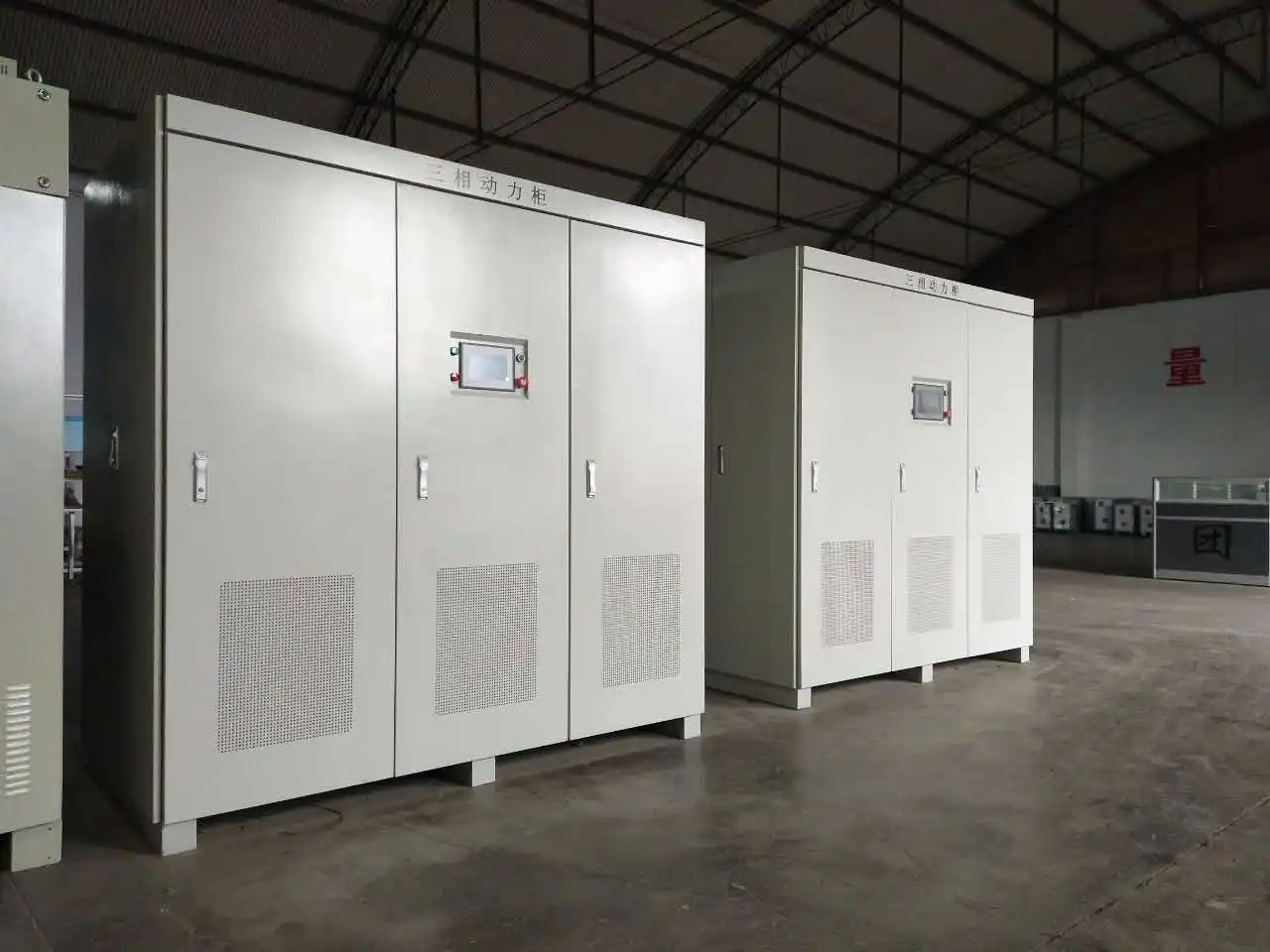
08 · Installation Arrangement
Choose the Installation Arrangement After the Electrical Architecture
Low voltage or high voltage describes the electrical architecture. Indoor, outdoor or containerized describes how the selected equipment is installed and integrated.
09 · System Scope & Specification
What Should Be Included in a Shore Power System Specification?
Not every project requires the same equipment boundary. Define what must be included before comparing technical proposals or quotations.
功率转换
- Frequency converter
- Required conversion direction
- Voltage transformation requirement
Electrical Distribution
- 变压器
- Input/output switchgear
- Protection and metering
Ship-Shore Interface
- 连接设备
- Plug/socket interface
- Cable management requirement
Monitoring & Control
- Local operating interface
- Remote monitoring
- Required communication interface
安装
- Indoor room
- Outdoor enclosure
- Containerized integration
Project Services
- FAT / SAT
- Installation guidance
- Commissioning and training
10 · Selection Examples
See How Different Project Conditions Change the Selection
These examples illustrate selection logic rather than universal system templates. Final configuration depends on the actual project data.
50Hz Grid → 60Hz Vessel
Evaluate frequency conversion, then confirm vessel voltage, capacity, starting loads and LV/HV architecture.
Medium-Voltage Grid → Low-Voltage Vessel
Evaluate the required voltage transformation and final low-voltage output rather than assuming shore-grid voltage determines vessel voltage.
High-Voltage Vessel + MVA-Class Load
Evaluate high-voltage architecture together with cable distance, current, grid conditions and required independent outputs.
Outdoor Site Without an Electrical Room
After the electrical architecture is defined, evaluate containerized integration according to the site and environmental conditions.

Indonesia · 2 × 1200 kVA
Two-unit shore power frequency conversion reference demonstrating how capacity and project configuration are selected from the actual application.
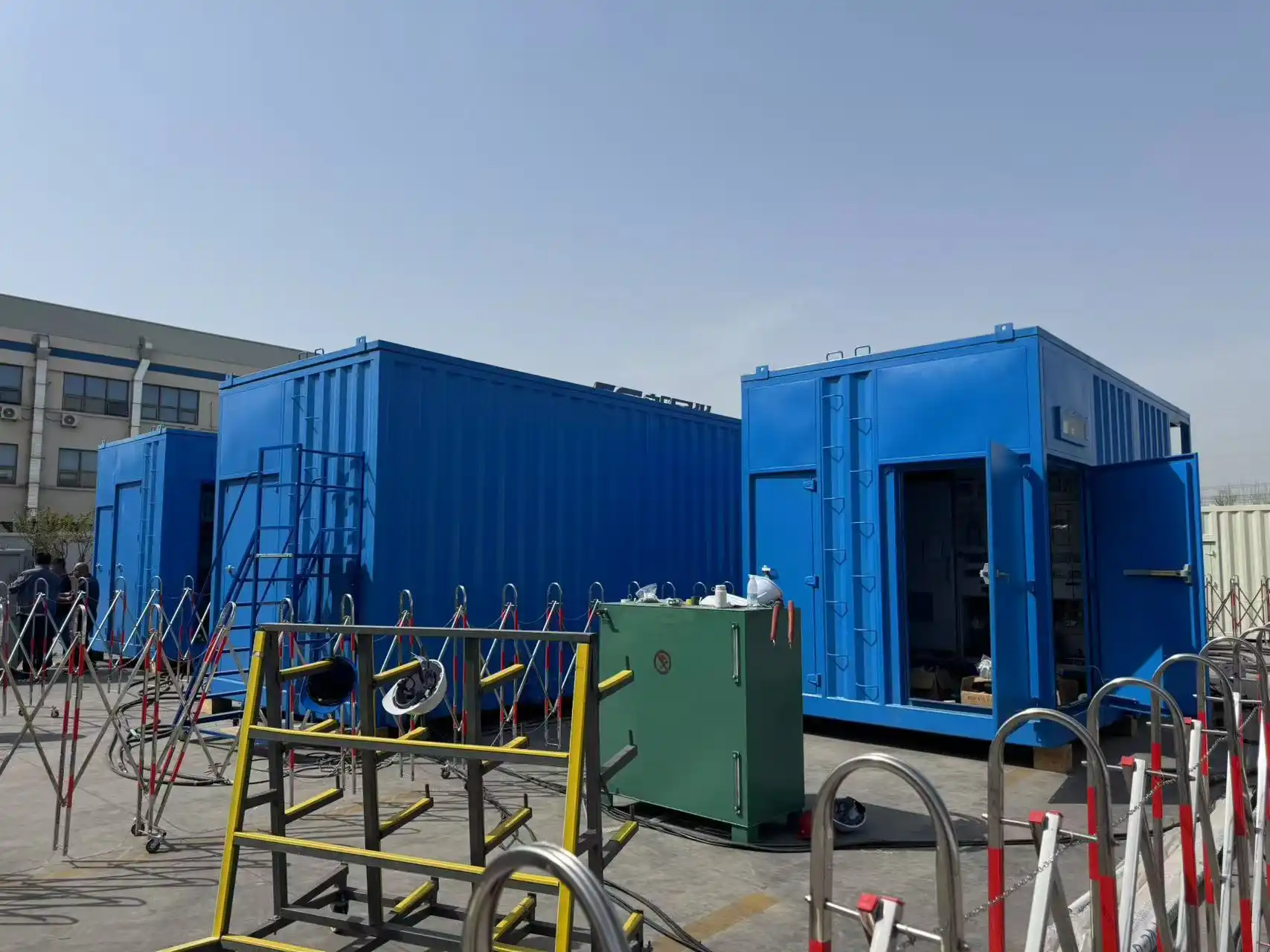
5 MVA · Two Independent Outputs
Reference configuration with 10 kV / 50 Hz input and two independent 6.6 kV / 60 Hz output feeders. Output quantity is project-specific.
Shore Power Selection FAQ
Frequently Asked Questions About Shore Power Selection
Direct answers to common capacity, compatibility and configuration questions.
How do I select a shore power system?
Start with the shore-side voltage, frequency, available capacity, short-circuit level and earthing method. Then define the vessel voltage, frequency, load profile, starting loads and connection requirements before evaluating capacity, LV/HV architecture, interfaces and installation.
我需要多少安V培的岸上电源?
Required kVA depends on continuous load, peak demand, power factor, simultaneous loads, the largest motor, starting method, starting current, operating sequence and engineering margin. A vessel load list is the preferred starting point.
How do I calculate shore power capacity?
Begin with continuous and simultaneous operating loads, then evaluate major starting loads, power factor and operating sequence. Capacity should be confirmed from the actual load profile rather than a universal multiplier.
50Hz的海岸供电是否能供电60Hz的船只?
Yes. A shore power system can be configured for 50Hz-to-60Hz conversion when the shore input, vessel voltage, required capacity and project architecture are confirmed.
60Hz的海岸供电是否能供电50Hz的船只?
Yes. A system can also be configured for 60Hz-to-50Hz conversion according to the vessel and shore-side conditions.
Can a shore power system change both voltage and frequency?
Yes, according to configuration. Frequency conversion is provided by the converter, while voltage matching may use the selected converter output design, transformer configuration or a combination of both.
How do I choose between low-voltage and high-voltage shore power?
Review the vessel connection voltage, required current, cable distance, voltage drop, load characteristics, shore-grid conditions and berth arrangement. Capacity alone should not determine the LV/HV decision.
Can one shore power system supply multiple vessels or berths?
It can be configured for multiple independent outputs when simultaneous demand, feeder arrangement, switching, protection and control requirements are engineered for the project.
How do I check ship-to-shore power compatibility?
Check voltage, frequency, phase sequence, grounding, neutral arrangement, connector requirements, communication interface, interlocks, load characteristics and the existing vessel electrical system.
What information is needed for a shore power quotation?
Provide the available shore-grid data, vessel voltage and frequency, load profile, major starting loads, berth arrangement, cable and installation conditions, required equipment scope and available technical documents.
Project Selection Review
Send Your Project Data for a Shore Power Selection Review
You do not need to have every parameter available before contacting us. Send the information currently available and we can review the voltage, frequency, capacity, compatibility and initial system direction.
岸边输入
- 输入电压
- 输入频率
- 可用电网容量
- Short-circuit capacity, if available
- 接地方法
V埃塞尔的要求
- 所需电压
- 所需频率
- 所需容量
- Continuous and peak load
- 功率因数
起动负载
- 最大的电机
- Motor rating
- Starting method
- 电流开始时,如果可用
- Operating sequence
Berth & Connection
- Number of berths or vessels
- Simultaneous operation requirement
- Cable distance
- Existing plug/socket information
- 连接方式
安装条件
- Indoor / outdoor
- 安装空间可用
- 环境条件
- Marine exposure
- Cable-routing limitations
Useful Documents
- Load list
- 单行图
- V埃塞尔电气规格
- Project technical specification
- Existing connection data
A load list, single-line diagram and vessel electrical specification are especially useful, but missing information can be clarified during the technical review.