工业级微波发生器
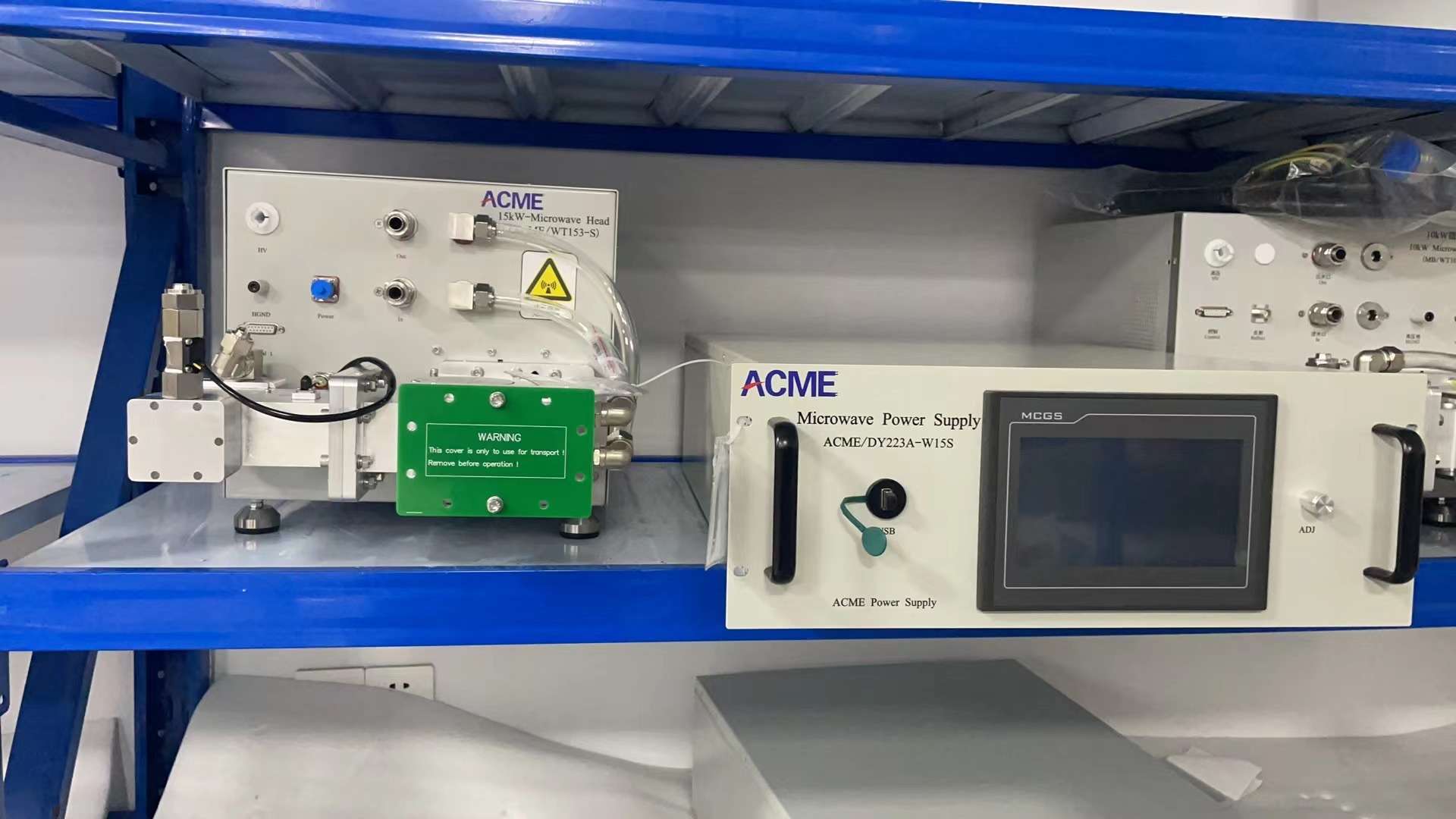
SDACME 为设备制造商、系统集成商和工业用户提供基于磁控管的工业微波发生器。目前的标准产品系列涵盖 2450 MHz 型号的 6、10 和 15 kW 版本,以及 915 MHz 的高功率选项(25、30、75 和 100 kW)。每种配置均根据所需功率、应用负载、波导接口、控制方式、冷却条件以及最终供电范围进行选择。.
对于紧凑型和中等功率设备的集成,采用等离子体 MPCVD 和选定的研究系统。.
适用于高功率工业加热、等离子体和 OEM 设备项目。30 kW 方案可根据项目需求进行配置。.
- 连续波磁控微波源结构
- 已确认型号的本地 HMI 和通信控制
- 针对特定模型的外部水冷系统
- 基于实际接口的 OEM 集成与替换审核
在初步评估时提供申请材料、目标功率、数量和目的地国家。.
选择合适的微波炉发电机系列
SDACME 微波发生器的产品系列按频率系列和额定功率进行划分。目前的标准产品线采用连续波磁控技术和外部水冷。产品规格表和下表仅供初步筛选使用;确切的尺寸、可调范围、冷却回路、保护逻辑和通信细节仍需按型号具体进行配置。.
2450 MHz 产品系列
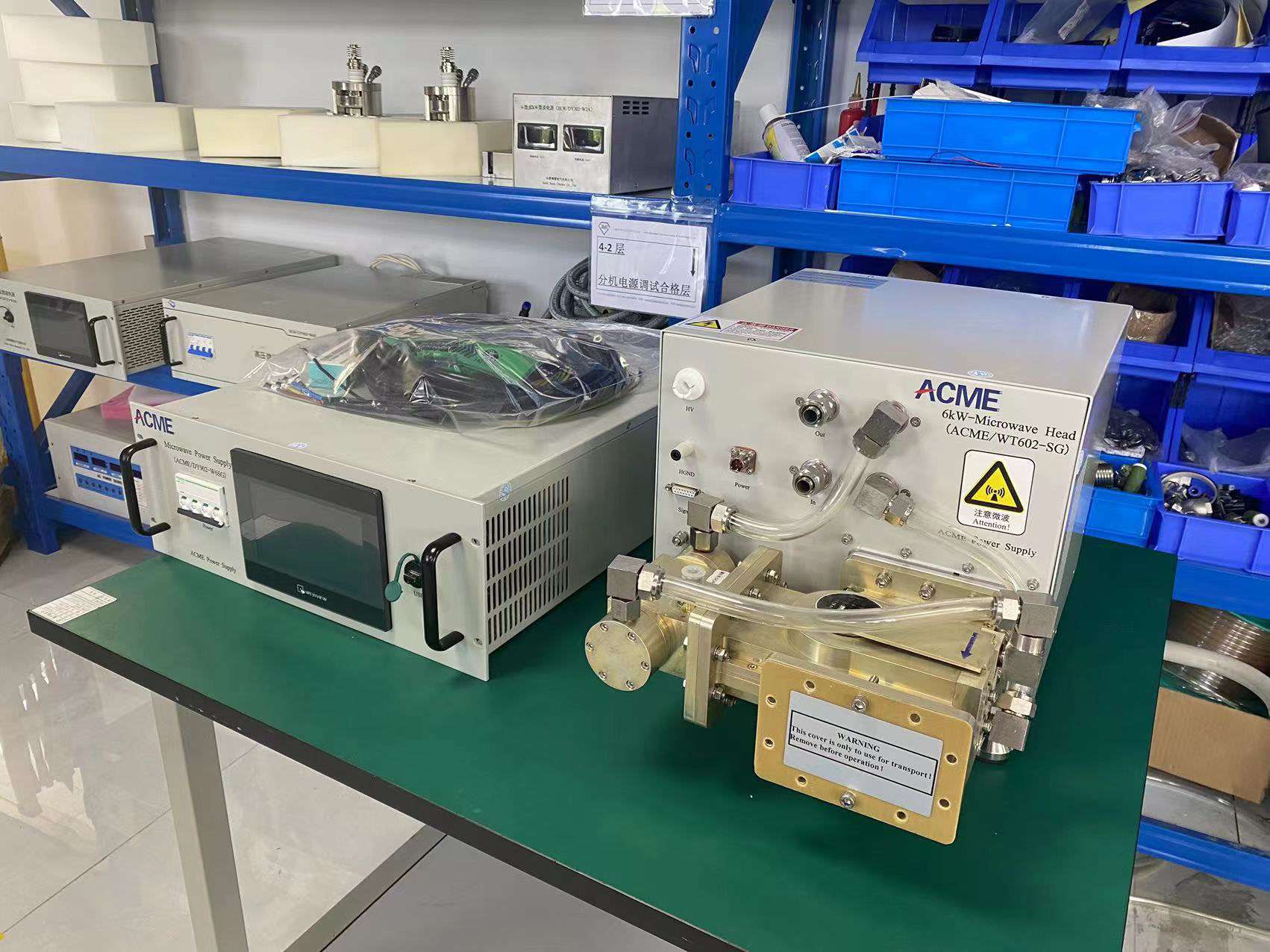
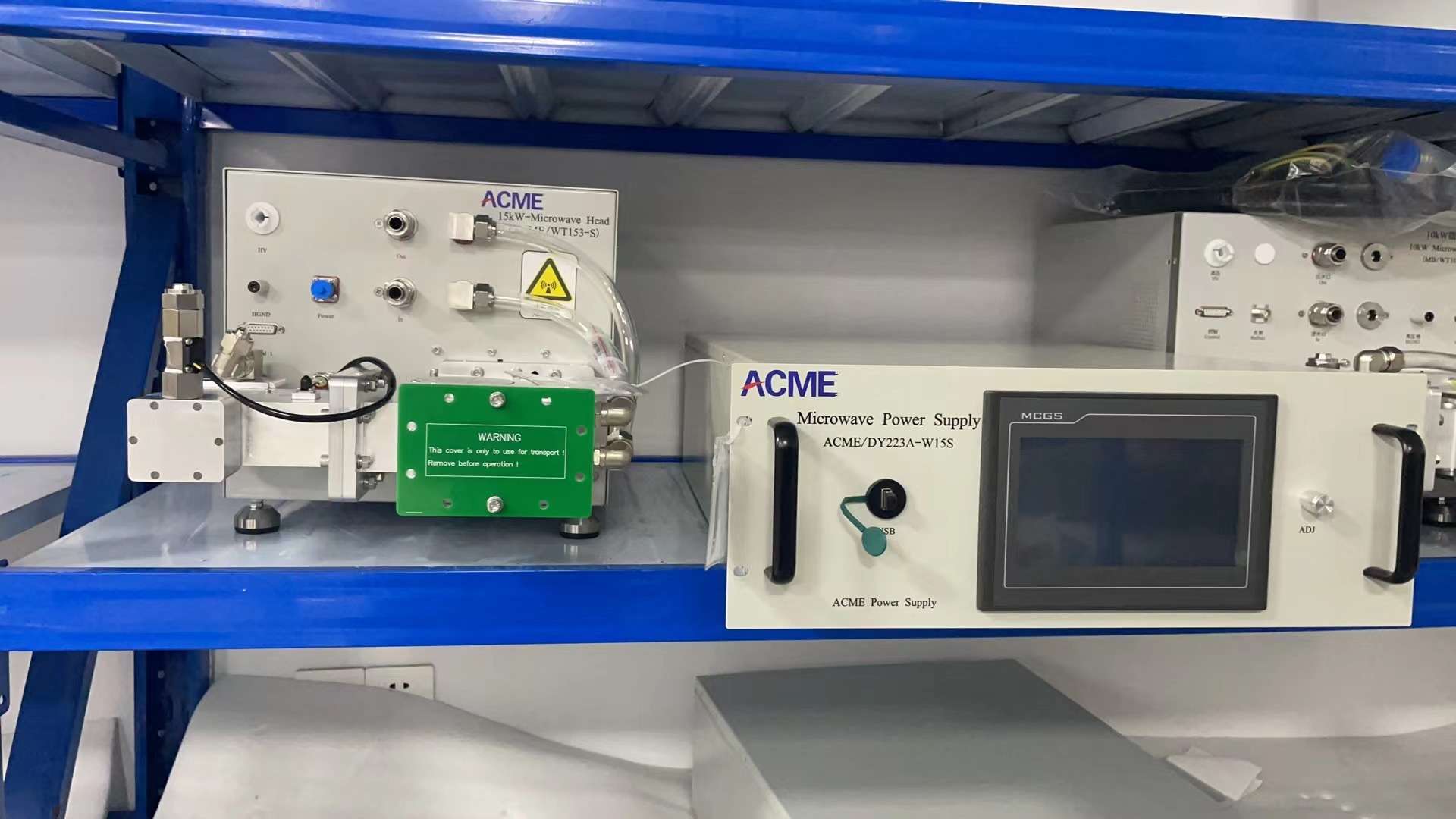
2450 MHz 系列包括 6、10 和 15 千瓦的工业微波炉。 这些模型通常用于评估紧凑性或 中功率 OEM 设备、等离子体和 PCVD 系统、MPCVD 和 钻石生长设备、实验室系统以及其他项目 需要一个可控的工业级微波源。.

915 MHz 高功率产品系列
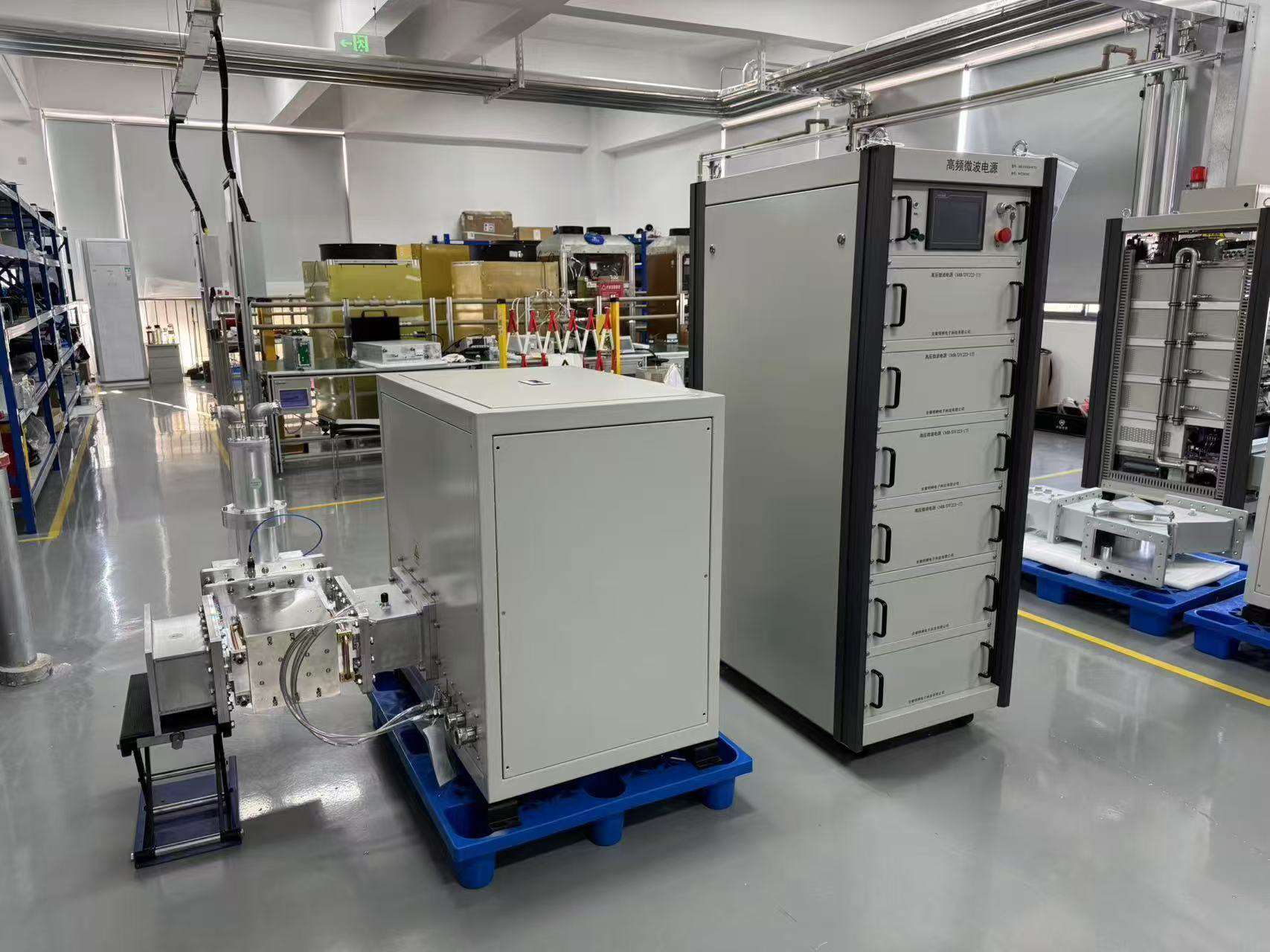
915 MHz 系列包括 25、30、75 和 100 kW 的选项,适用于基于项目的高功率集成应用。 30 kW 选项保留为工程验证配置,并通过 915 MHz 系列或技术咨询流程进行路由,而非通过独立模型页面。在最终配置得到确认之前,必须检查目的地国家的相关频谱要求。.
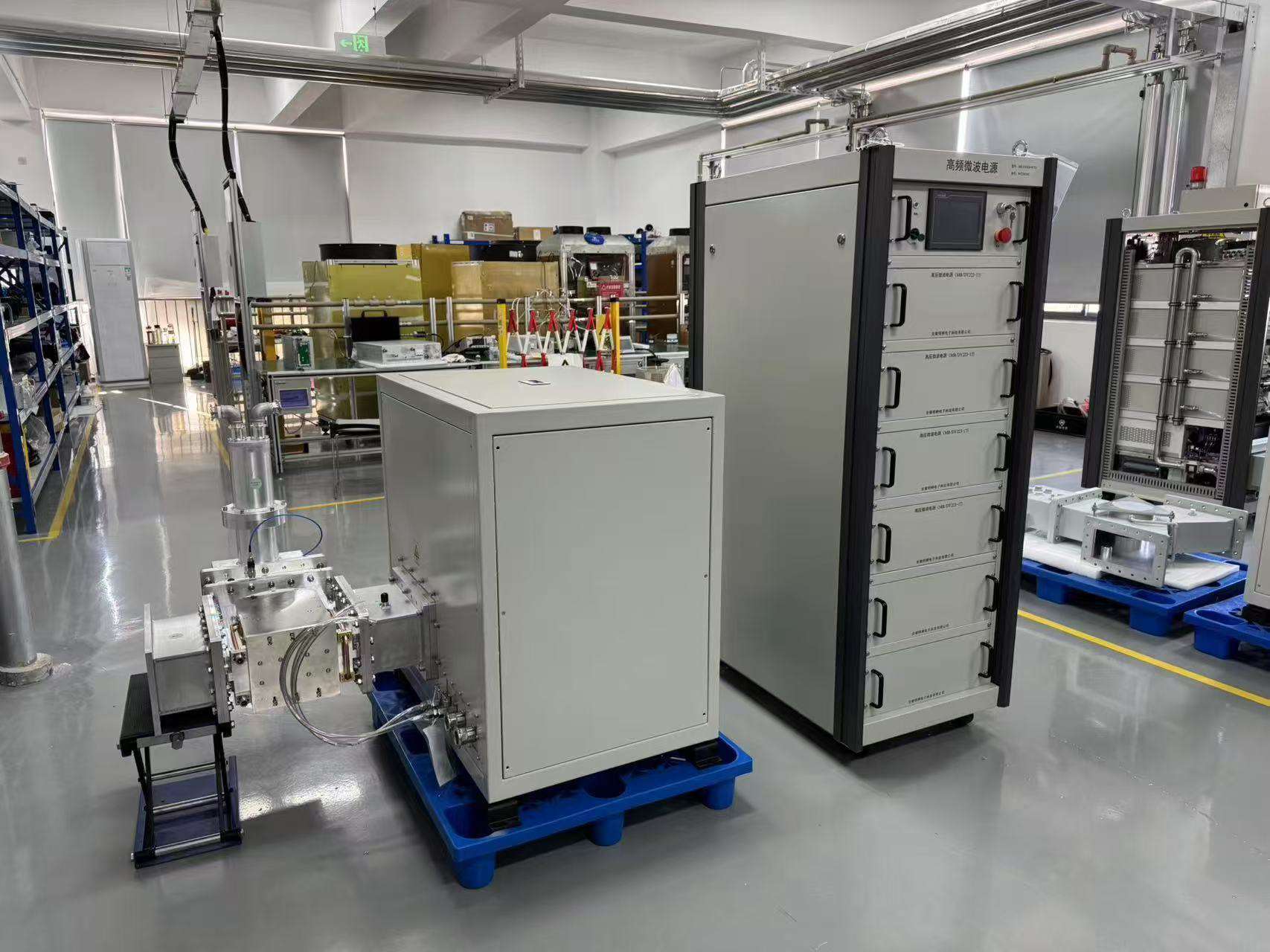
工业级微波发生器的组成是什么?
“微波发生器”一词通常指多种不同的设备。 供应水平。为进行技术评估和报价,电力 供电装置、微波头、波导组件、控制系统 冷却设备和客户流程设备的定义应明确。 单独进行。这可以防止不完整组件的报价 被误认为是一套完整的微波加工系统。.
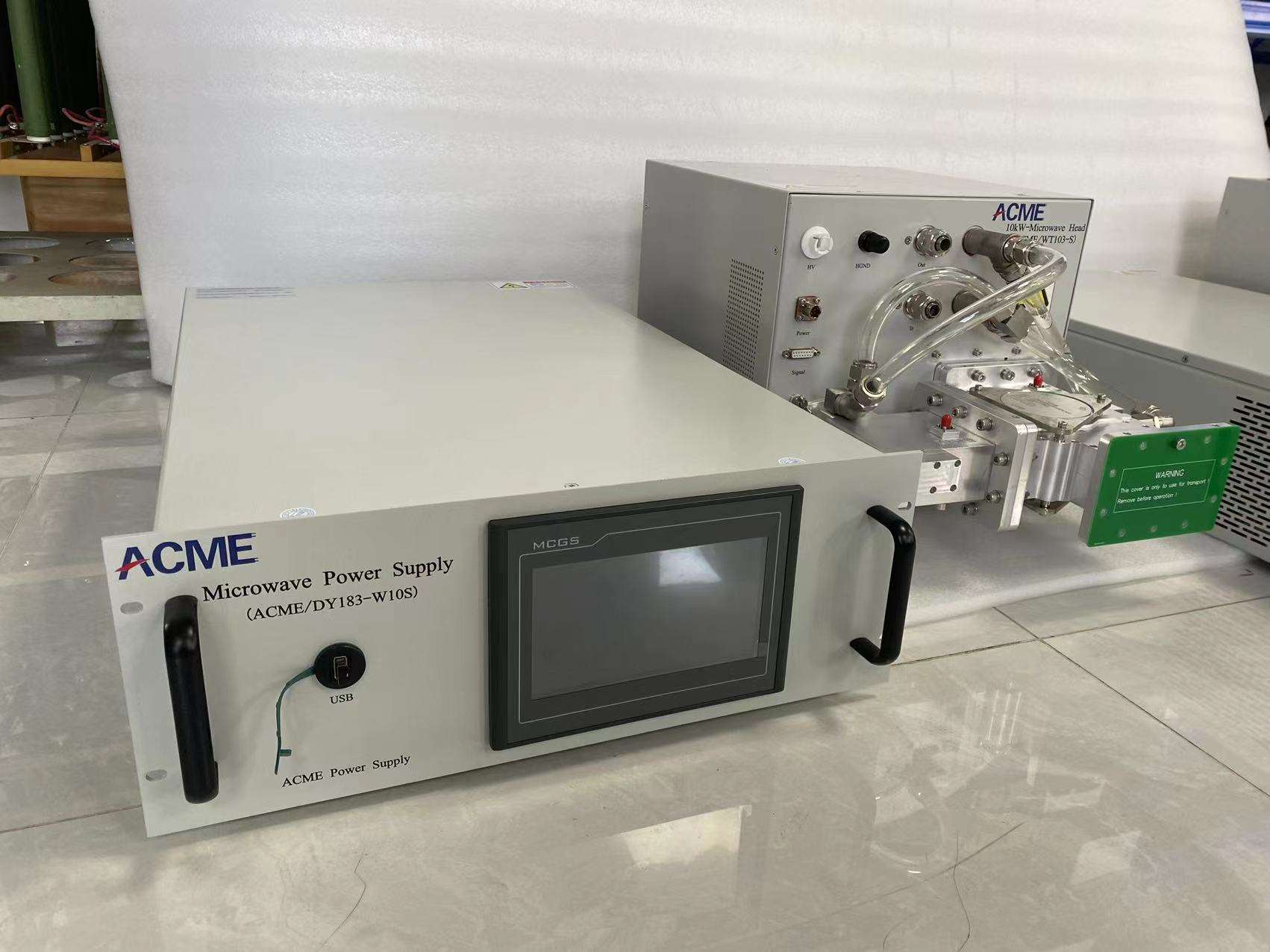
微波电源
负责供电并根据选定的型号管理磁控管组件的电气功率转换和控制部分。.
微波头
包含磁控管和相关微波输出结构的微波源组件。机械连接、冷却连接和波导连接均为车型特定。.
微波发生器包装
该项目以电源和微波发射器为核心,并根据应用需求增设了额外的控制、保护或微波传输组件。.
完整加工系统
完整的机器还可能包括应用器、腔室、物料输送设备、工艺控制系统、辅助设备以及微波发生器供应范围以外的其他设备。.
从电气输入到客户负载
一个典型的项目可以理解为一个能量和接口链。微波头和工艺负载之间的确切组件取决于设备的设计。.
在报价前确定供货范围
在工业级微波炉项目中可能会出现以下功能,但并不意味着每个型号都具备这些功能。.
发电机级设备
- 微v瓦电源
- 微波头/磁控管源组件
- 针对模型的电气和冷却接口
- 根据已确认的配置进行操作控制
微波传输与保护
- 循环器或隔离器
- 水压
- 手动或自动调音器
- 波导部分和过渡元件
- 额外的监测或项目控制
工艺设备与现场设施
- 微波应用器或腔体
- V真空室或加工室
- 物料搬运设备
- 站点冷却水系统
- 主机PLC和过程控制
实际负载中选定了额外的组件
反射行为、室内几何形状、运行功率以及所需的防护策略决定了是否需要额外的微波线组件。.
应用于选定的系统,用于帮助管理反射微波能量并保护源路径。.
可与保护装置配合使用,吸收被转移的微波能量。.
匹配或调谐元件可以根据腔体、应用器和载荷的行为进行评估。.
机械导轨、法兰型和安装几何形状必须与实际设备相匹配。.
告诉我们您已经拥有的情况以及您需要什么。
对于新建系统或更换项目,请提供现有设备的资料,并注明报价中需包含哪些部件。.
控制微波源并保护设备
工业级微波发生器的控制系统需要超越功率调节功能。控制架构必须协调操作指令、发生器状态、报警处理、前向功率和反射功率、冷却条件以及机器所需的连接装置。各型号和项目配置的不同,接口和监控功能也会有所不同。.
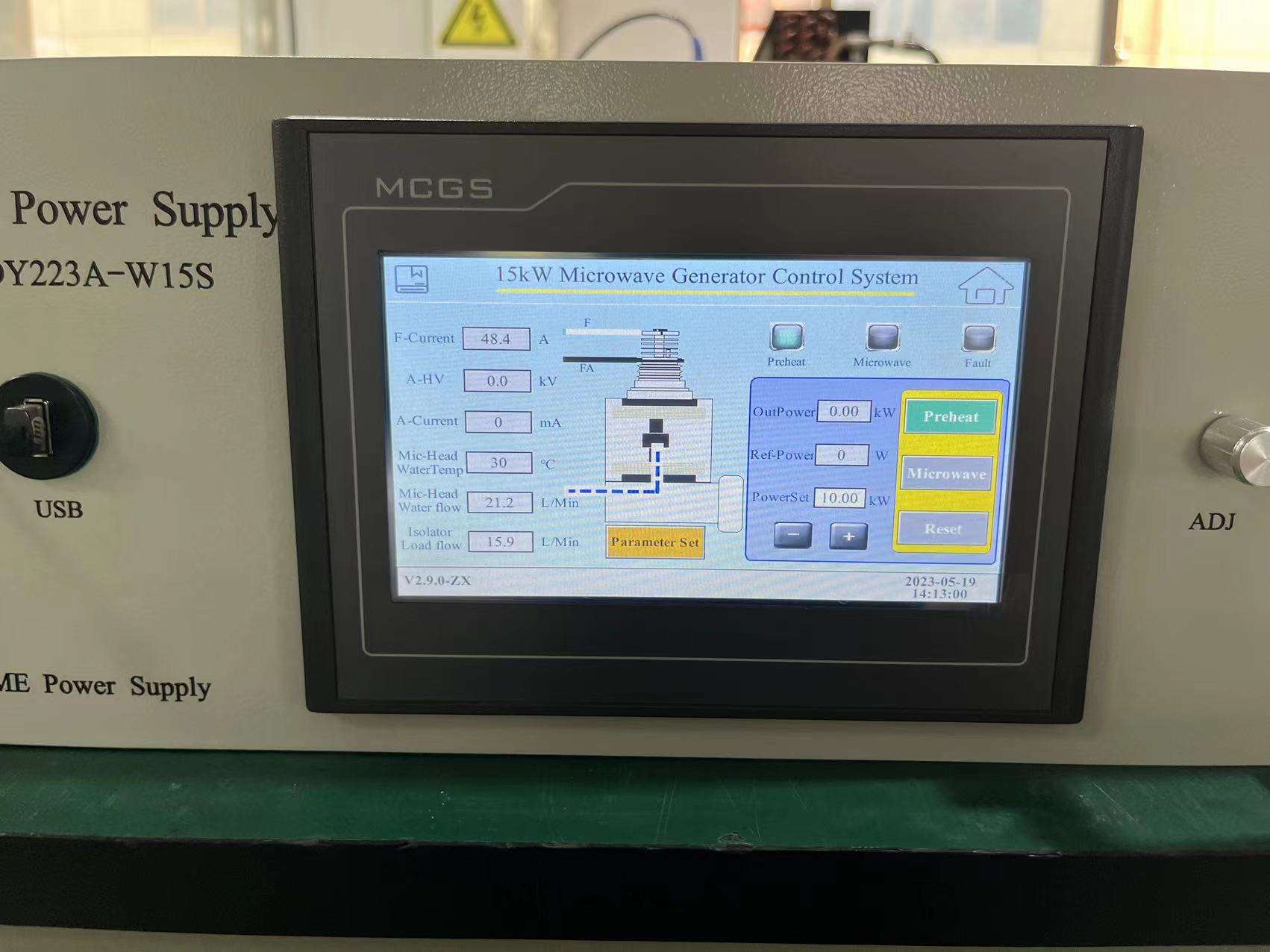
基于 HMI 的本地控制在已验证配置中
经确认的型号可以使用 HMI 进行本地操作、参数设置、运行状态显示和报警检查。确切的屏幕布局、可调节参数和可用的功能取决于选定的生成器配置。.
在所选型号的运行范围内设置或调整微波输出功率。.
在配置好的界面上查看评估生成器的运行状态和设备可用情况反馈。.
显示配置的故障和保护信息,用于故障排除和机器集成。.
通信和外部控制的选择取决于模型的性能和项目要求。.
控制体系与生成器系统一起扩展
功率更高的微波系统也需要进行协调的控制、保护和性能监测。在技术评审过程中,应确认实际信号列表、通信接口和保护逻辑,而不应仅从额定功率中推断这些内容。.
- 发电机启动/停止和运行状态协调
- 功率控制和模型特定操作反馈
- 冷却和机器联动协调
- 基于已确认配置的报警和关机逻辑
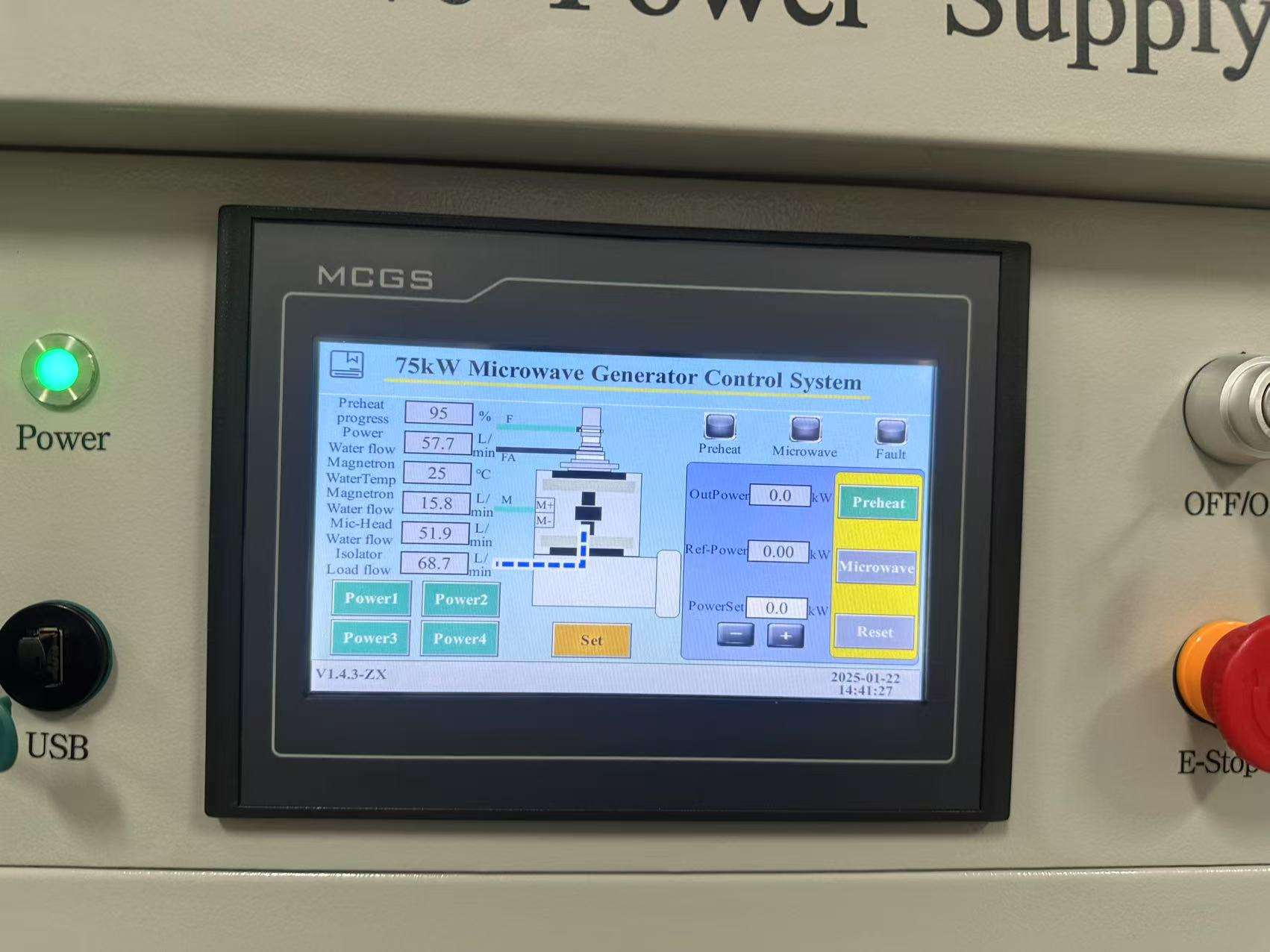
接口选项由模型和项目确认
不同的设备项目可能需要本地控制、与机器PLC的通信、外部模拟命令或状态信号。这些功能应根据具体发电机进行确认,而不应视为通用标准功能。.
HMI/本地操作
已确认的型号和配置可以提供本地操作控制和状态显示功能。.
RS485 通信
已确认型号支持 RS485。在进行 PLC 集成之前,应先检查协议和寄存器信息。.
Modbus RTU
仅适用于特定配置,需符合模型文档和项目界面要求。.
模拟控制信号
当机器控制体系需要时,模拟输入或输出信号可以进行评估。.
干接触式/数字输入/输出
项目信号定义中可以查看启动、停止、状态或互锁信号。.
机器PLC集成
OEM 项目可以在最终配置之前,定义所需的命令、反馈、报警和安全握手信号。.
保护必须涵盖源头、公用设施和机器状态
保护功能取决于模型的设计和系统结构,但工业级微波设备通常需要对源条件、反射能量、冷却、电气条件以及外部机器互锁进行协调监测。.
反射的微波能量可以被监测,并在已确认的配置中纳入保护策略。.
冷却水的状态和相关联锁与特定发电机和冷却回路的设计相协调。.
电气保护与电源和发电机控制架构集成在一起。.
系统锁止检查中可以包含门、室、过程或机器的授权信号。.
适用的热条件和报警点由选定的设备和项目设计确定。.
紧急停止和机器停机逻辑应与完整的设备安全体系结构集成。.
在设备集成之前定义信号列表
对于 OEM 机型、更换项目或 PLC 控制系统,在生产前应审查接口,以确保发电机和机组控制逻辑兼容。.
不要认为每个型号上的每个接口都是标准化的。
HMI、RS485、Modbus、模拟输入/输出、干接触信号、远程控制和数据相关功能,均根据实际模型和项目配置进行确认。在选择最终的发电机组配置之前,请提交您的机器控制需求。.
发送所需控制接口和信号列表
包括发电机型号或目标功率、控制方式、所需的通信协议、外部锁止装置以及可用的机器PLC信息。.
计划冷却和安装,并结合发电机选择
工业级微波发生器采用外部冷却方式,并需要针对特定型号的电气、机械和微波接口。因此,在将发生器安装在新的或现有设备之前,应审查其冷却能力、连接点、机柜位置、波导导线布置和机械锁止装置。.
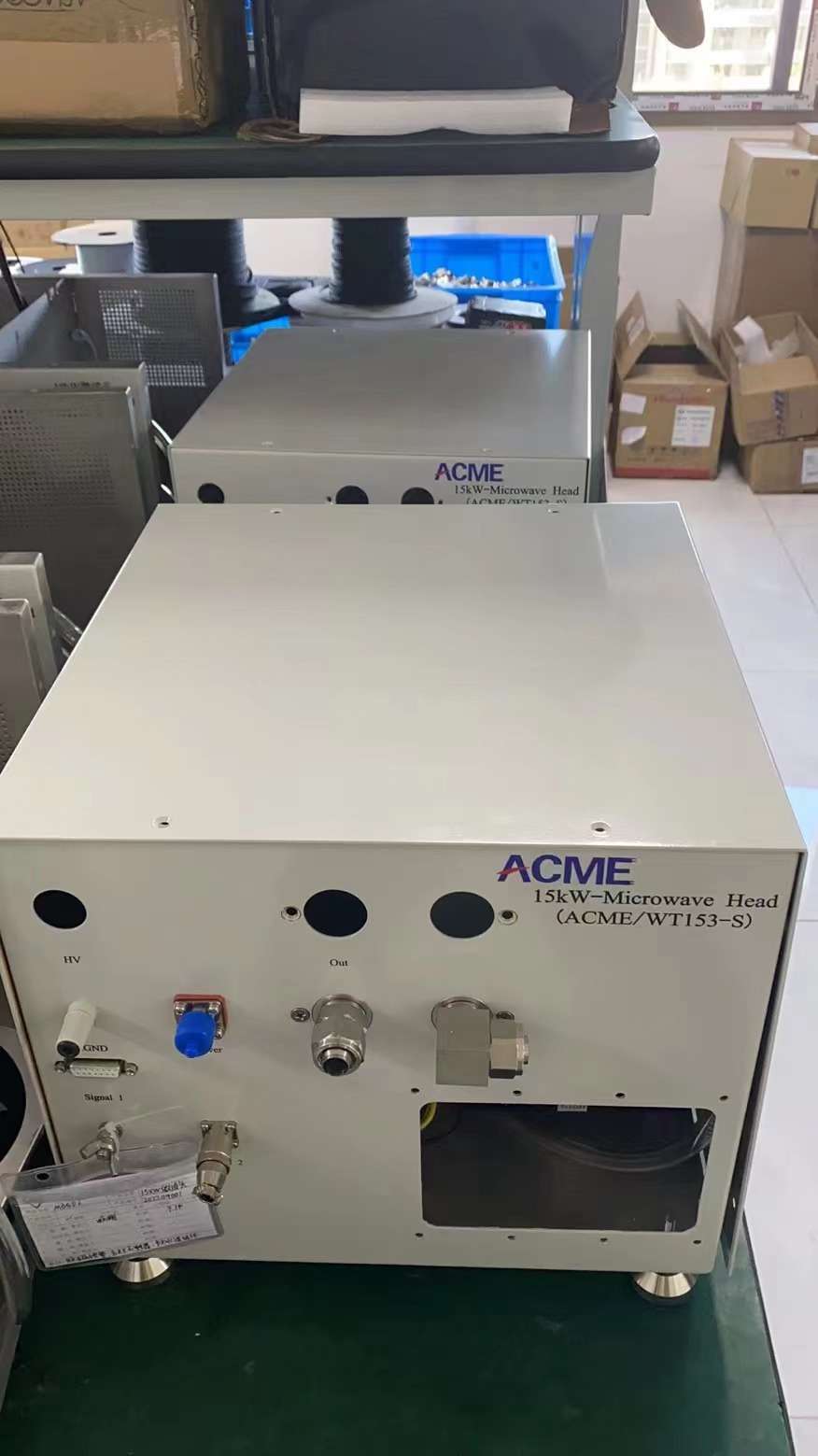
冷却系统、波导和机械连接必须与机器匹配。
微波头并不是一个孤立的组件。它的冷却系统 连接器、微波输出接口、安装位置和 服务访问必须符合周围机器的要求。现有 设备项目应提供接口照片或图纸 在最终确定更换或改造方案之前。.
已为所选型号确认了连接方式和冷却回路。.
护套型、连接方向和波导路径必须与设备布置相匹配。.
安装空间和安装方向应便于进行安装、检查和维护。.
电源、控制和互锁连接应与柜体和微波头位置一起规划。.
冷却要求取决于车型规格
冷却必须作为发电机安装的一部分进行处理。最终的水路回路、运行条件以及连接方式都应根据所选的微波源和项目环境进行确认。.
客户或机器的冷却水来源。.
冷却装置取决于所确定的发电机设计。.
返回路线与机器运行系统进行协调。.
确认所选模型的可用进气条件。.
确认外部冷却系统能够支持所需的电路。.
根据车型特定的冷却需求选择合适的设备。.
在操作前,请检查水质和冷却系统是否兼容。.
高功率系统在安装前需要进行公用设施规划。
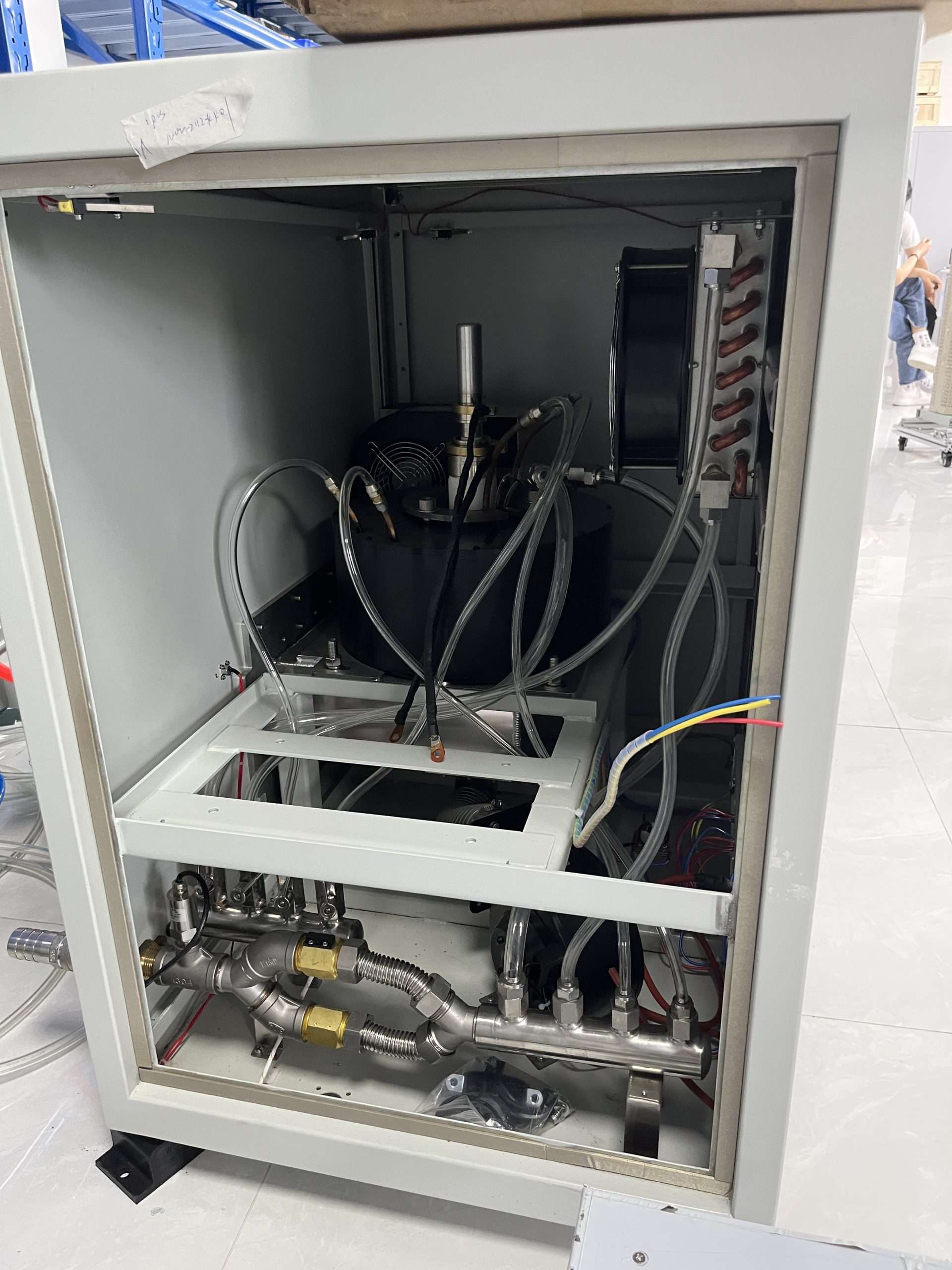
高功率微波发电机产生的电力和热量较大,因此冷却、现场供电、管道安装、安装空间和维修通道等因素应综合考虑。照片所示的是一台实际的75千瓦微波头冷却装置,不应将其视为适用于所有915兆赫系统的一般配置,而应将其视为一个典型案例。.
在最终选择设备之前,确认设备的冷却能力。.
仅为管道、电气连接和维护分配权限。.
一起检查检修柜和微波炉的放置位置。.
冷却和保护功能与机器控制系统相互协调。.
在生产或改造之前确认站点条件
在制造之前进行的简短安装评估可以降低调试期间出现不匹配的电气、冷却、机械或波导接口的风险。.
电力供应
确认站点电压、频率、可用容量以及电气连接要求。.
冷却设备
提供可用的冷却水条件,以便能够检查模型的特定回路。.
波导路径
确认法兰类型、波导导向方向、距离以及所需的过渡元件。.
安装空间
为柜子、微波炉头、连接器和维修通道留出足够的空间。.
控制与锁止
通过机器控制系统定义启动、停止、状态、报警和安全握手的要求。.
安装环境
提供可能影响设备布局或公用设施规划的相关站点和运营条件。.
新型机器集成
当发电机集成到新设备中时,可以从一开始就共同规划柜体、微波头、波导路径、冷却连接和控制架构。.
更换或改造
现有系统需要进行兼容性评估,因为最初的电气、机械、波导、冷却和控制接口可能与新的发电机配置不同。.
不要仅根据额定功率来调整冷却系统的大小
所需冷却条件应根据已确认的发电机的配置和技术文档得出。仅靠额定微波输出功率无法确定水流、压力、管道或最终的现场冷却系统配置。.
发送站点实用程序和界面信息
提供所需功率和频率、现场供电情况、冷却水条件、可用空间、波导接口以及现有设备的照片或图纸。.
Integrate a Microwave Generator into New or Existing Equipment
SDACME supports microwave-generator projects for equipment manufacturers, system integrators and users replacing an existing microwave source. The correct configuration is determined from the electrical, microwave, mechanical, cooling and control interfaces of the complete machine. For replacement projects, compatibility should be reviewed before a substitute generator is selected.
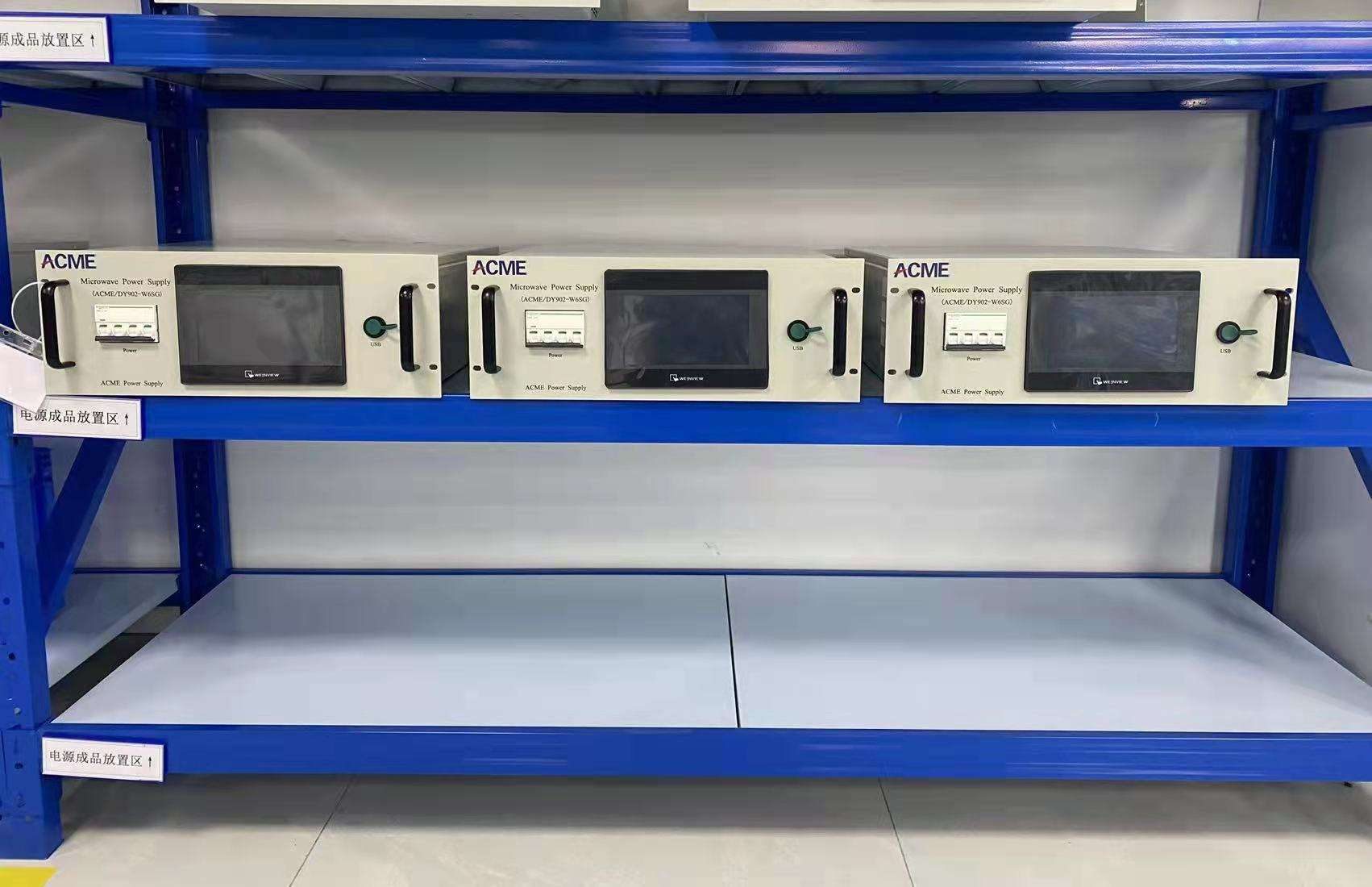
Generator Configuration Should Follow the Machine Architecture
OEM integration starts from the machine rather than from a generator model alone. Power rating is only one part of the selection. The generator must also fit the intended waveguide connection, cooling system, installation space, control method and machine safety logic.
Select frequency and rated power from the process and machine requirements.
Confirm electrical, waveguide, cooling, mounting and control connections.
Define whether the project requires only the source hardware or additional microwave-line components.
Coordinate generator commands, feedback and interlocks with the complete equipment.
OEM Machine Integration
For new machines, the microwave generator can be selected while the equipment layout and control architecture are still being defined. This allows the electrical cabinet, microwave head, waveguide route, cooling connections and signal interface to be coordinated before production.
- Equipment layout or concept drawing
- Required microwave frequency and power
- 腔室或喷嘴接口
- Available electrical and cooling utilities
- PLC and control-interface requirements
Microwave Generator Replacement
For an existing machine, the replacement generator must be compared with the original source and the surrounding equipment. Differences in waveguide interface, cooling, electrical supply, dimensions or control logic may require engineering adaptation.
- Original generator nameplate
- Existing power and frequency
- Power-supply and microwave-head photos
- Waveguide and mechanical dimensions
- Electrical, cooling and control information
Six Interfaces Should Be Checked Before Replacement
Matching only the rated power is not enough. A replacement review should compare the existing equipment with the proposed microwave generator across the main system interfaces.
Frequency & Power
Confirm the existing operating frequency, rated power and required adjustment range.
Electrical Input
Compare site voltage, frequency, capacity, wiring and electrical-connection requirements.
波导接口
Check flange type, waveguide size, direction, location and transition requirements.
机械安装
Compare cabinet dimensions, microwave-head position, mounting arrangement and available service space.
冷却系统
Confirm cooling connections and whether the existing utility system can support the proposed configuration.
控制与锁止
Compare start, stop, power command, status, alarm, communication and machine-safety signals.
What Can Be Matched and What May Require Adaptation?
From Existing Generator Information to a Replacement Proposal
Send the nameplate, manufacturer/model information and clear photos of the original microwave equipment.
Review frequency, power, electrical input, waveguide, cooling, dimensions and machine-control signals.
Identify any required transition, mounting, piping or control-interface changes.
Finalize the generator package and the components included in the project quotation.
What Should You Send for a Replacement Project?
Photos and interface information are usually more useful than a model name alone, especially when the original generator is no longer available or the machine has been modified.
Replacement Does Not Automatically Mean Drop-In Replacement
Even when frequency and rated power are similar, different microwave generators may use different electrical inputs, dimensions, waveguide interfaces, cooling circuits, control signals or protection logic. Compatibility should therefore be confirmed from the actual existing equipment before installation.
Send the Nameplate, Photos and Interface Information
We can review the existing frequency, power, electrical supply, waveguide connection, cooling system, mechanical dimensions and control interface before proposing a replacement direction.
Verify the Microwave Generator Before Shipment
Functional verification helps confirm that the selected microwave generator operates according to the agreed configuration before it is integrated into the customer's equipment. Test items can cover generator operation, HMI functions, microwave output, spectrum, alarms, protection logic and required interfaces. The final test scope depends on the model and project requirements.
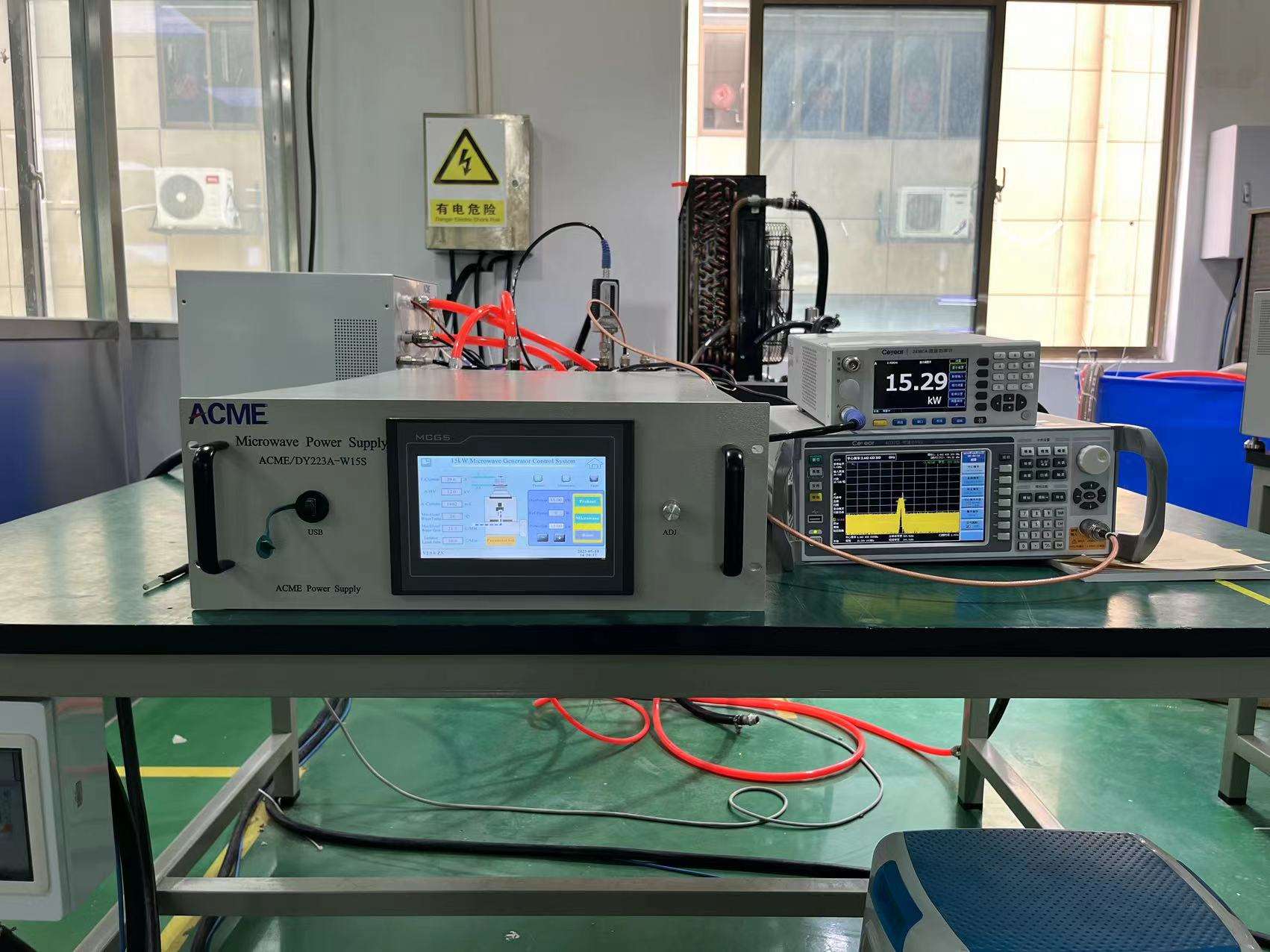
Test the Generator as an Operating Equipment Package
A useful test is not limited to checking whether the cabinet can power on. The generator should be operated with the relevant control and measurement equipment so that operating status, microwave output and configured protection functions can be reviewed before shipment.
Confirm normal operating sequence and basic generator response.
Review the configured operating screens, settings and status information.
Verify output behavior using the applicable test arrangement and measurement equipment.
Check the protection and alarm functions included in the confirmed configuration.
Examples of Control, Power and Spectrum Verification
The following images show actual test scenes from 15 kW and 6 kW microwave-generator configurations. Instrument readings shown in individual photographs relate to those specific test conditions.
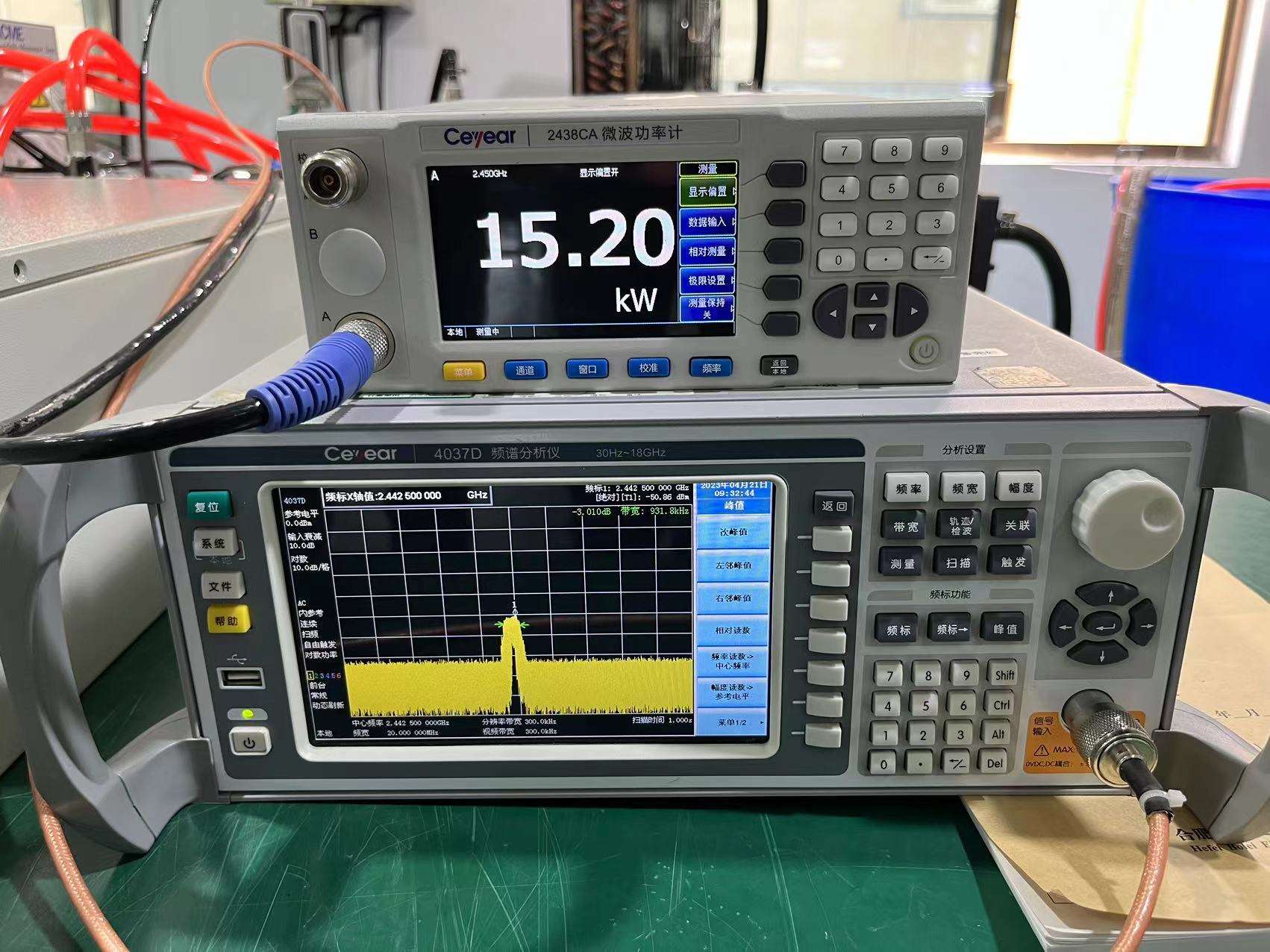
Measurement instruments are used to review microwave output under the applicable test setup.
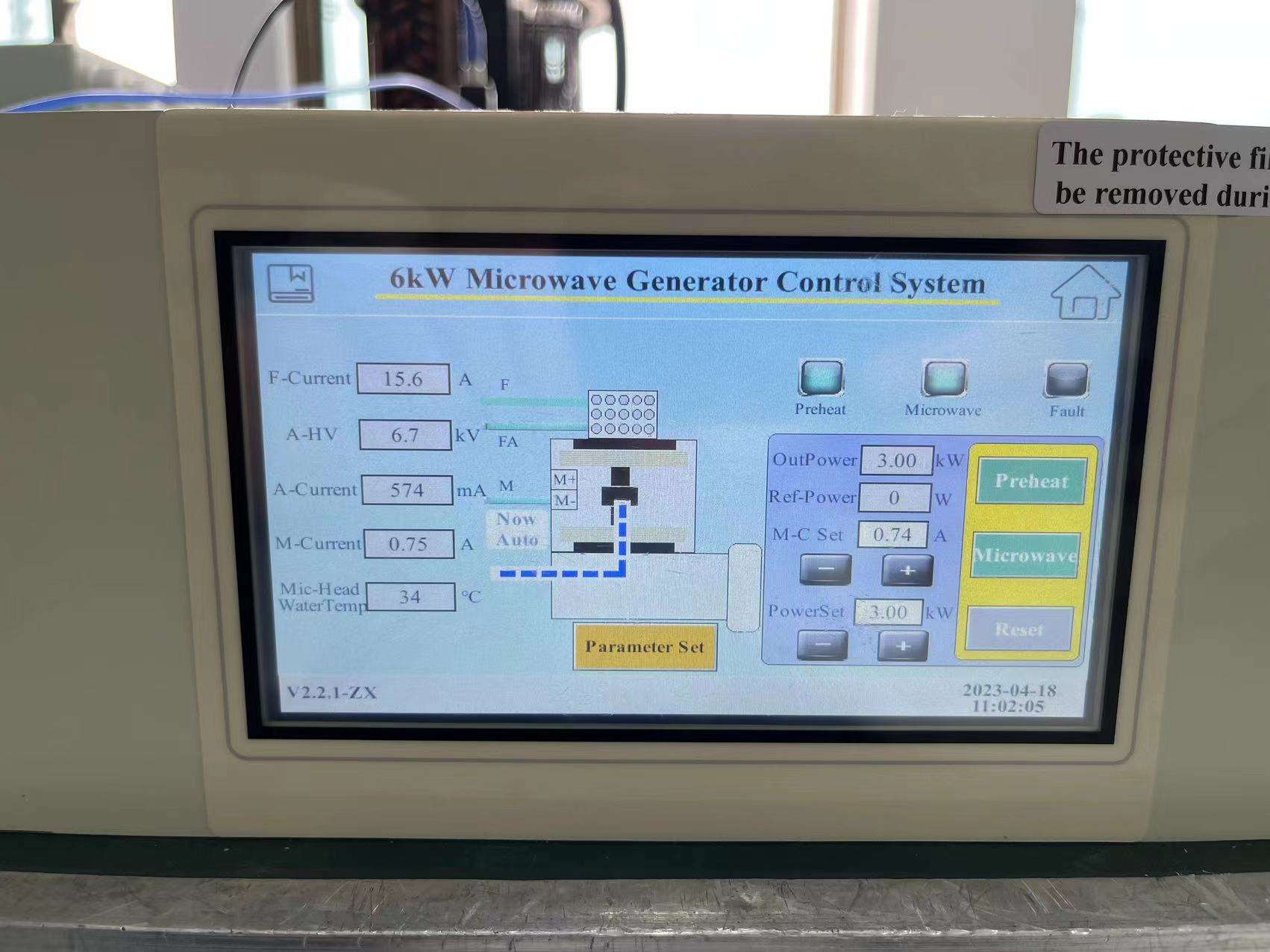
The control interface provides an operating view of the confirmed generator configuration.
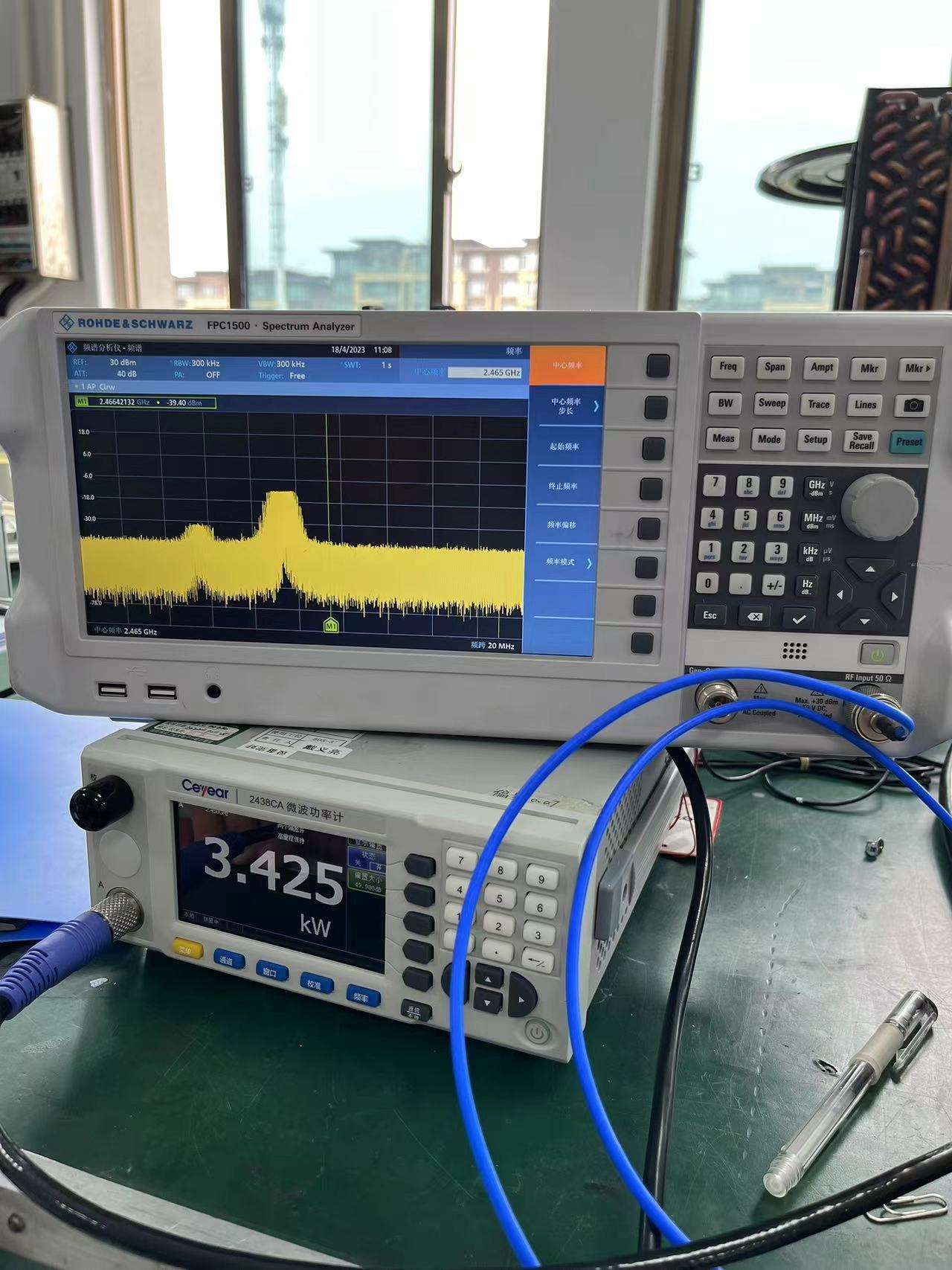
Test instruments can be used to review microwave-source behavior before equipment delivery.
What Can Be Included in a Generator Test?
Test content should follow the confirmed equipment configuration. Not every item below applies to every model or project.
操作顺序
Start, stop, enable, reset and other configured operating functions.
Microwave Output
Review output under the defined test condition using appropriate measurement equipment.
Spectrum
Frequency-domain behavior can be reviewed where applicable to the confirmed test scope.
HMI & Control
Check configured operating screens, settings and equipment feedback.
External Interfaces
Verify communication or control interfaces included in the agreed project configuration.
Alarm Functions
Review applicable alarm indications and configured fault responses.
锁扣
Confirm relevant cooling, machine or safety-permission interlocks where included.
V视觉检查
Check equipment condition, connections, labels and agreed external configuration before packing.
From Configuration Confirmation to Test Record
Lock the generator model, interfaces and project-specific functions that require verification.
Connect the generator with the applicable load, controls and measurement equipment.
Run the agreed operating, control, measurement and protection checks.
Complete the agreed test record and prepare the equipment for the next delivery stage.
Define Required Documents with the Project
Documentation requirements vary between standalone generator purchases, OEM integration and replacement projects. Required documents should therefore be confirmed as part of the supply scope.
Model-specific technical data and main equipment information.
Available operating and maintenance information for the confirmed equipment.
Electrical, control, communication or connection information required for integration.
Applicable equipment or interface drawings can be defined according to project requirements.
Agreed functional-test information can be included according to the project scope.
If a formal FAT or customer-defined test procedure is required, the test scope should be agreed before execution.
Generator Testing Is Different from Final Process Validation
Generator-level functional testing can verify the microwave source, controls and configured interfaces under the agreed test conditions. Final heating, plasma, deposition or material-process performance depends on the customer's complete chamber, applicator, machine and operating process.
Define the Acceptance Scope Before the Generator Is Prepared
Send the target model, application, required interfaces and any customer-specific test or documentation requirements so they can be reviewed with the project scope.
Evaluate the Generator, Interfaces and Project Process Together
Selecting an industrial microwave generator supplier involves more than comparing rated power and price. A practical evaluation should also review the frequency family, system scope, control interfaces, cooling requirements, replacement compatibility, functional testing, technical documents and the information required before production and shipment.
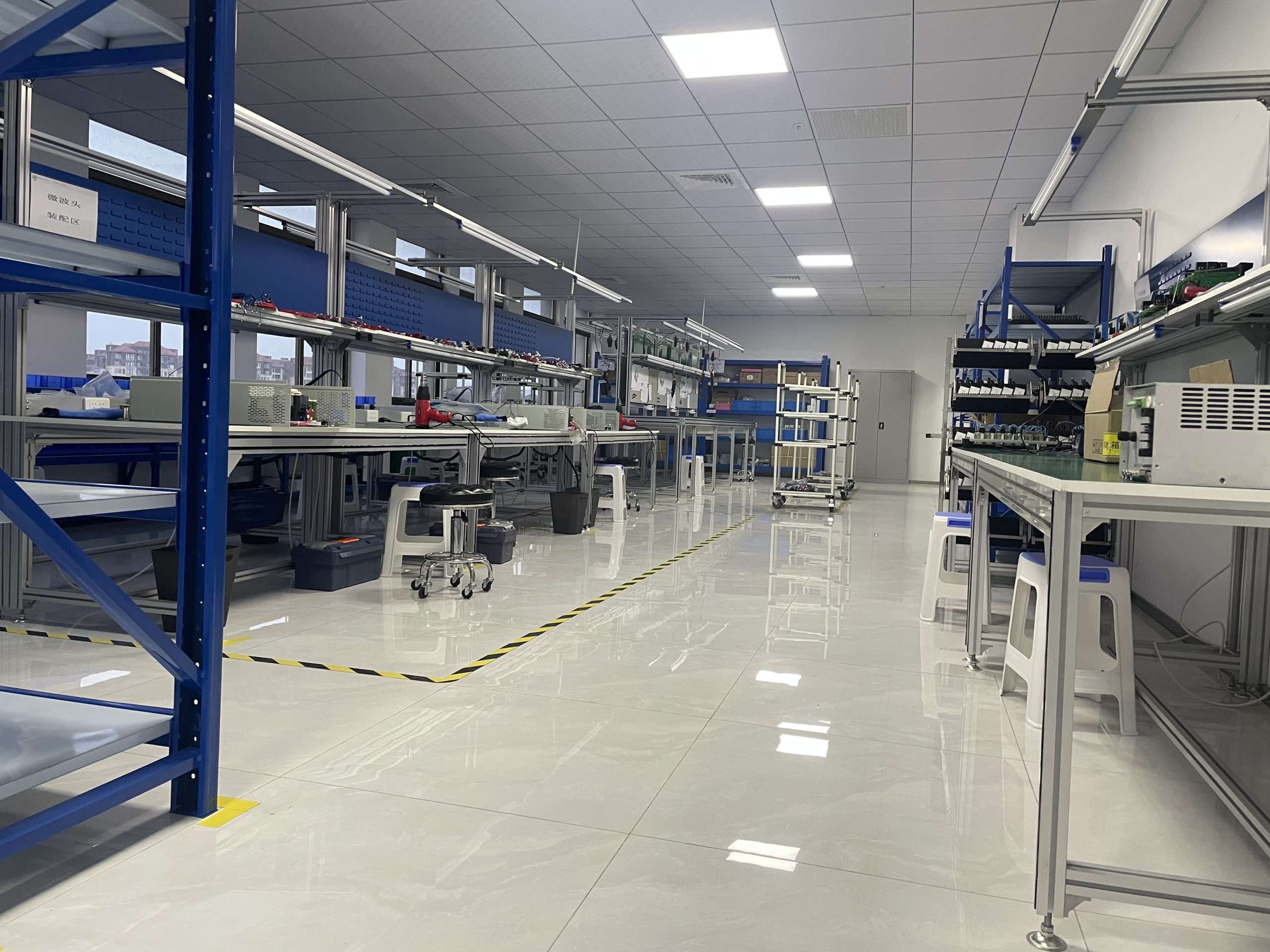
Look Beyond the Product Nameplate
For OEM, replacement and project-based microwave equipment, supplier evaluation should include the ability to review the technical interfaces and prepare the generator according to the agreed configuration. The objective is to reduce integration problems before the equipment reaches the installation site.
Confirm that the required power and frequency fall within the available generator families.
Review the electrical, waveguide, cooling, mechanical and control requirements before final selection.
Define the operating and test items required for the confirmed configuration.
Confirm the specification, interface information, drawings and test documents required for the project.
From Application Requirements to Delivery Preparation
A clear project sequence helps separate the initial product selection from the final engineering configuration.
申请审核
Identify the application, target microwave power, frequency, quantity and destination market.
Technical Definition
Review electrical input, waveguide connection, cooling, dimensions, controls and required protection.
Configuration & Quotation
Confirm the generator model and define which power-supply, microwave-head and project components are included.
Equipment Preparation
Prepare the equipment according to the confirmed model, interfaces and project requirements.
Functional Testing
Perform the agreed generator-level operating, control, measurement and protection checks.
Packing & Documentation
Prepare the confirmed technical documents and equipment for the agreed shipping stage.
Information That Makes a Technical Proposal More Accurate
The more complete the initial information is, the easier it is to distinguish a simple generator purchase from an OEM, retrofit or system-level project.
Heating, plasma, MPCVD, materials equipment, R&D or another microwave process.
Target microwave output or existing generator rating.
Existing or preferred 2450 MHz / 915 MHz direction where known.
Drawings, dimensions or equipment information that affects microwave coupling.
Existing flange, waveguide size, orientation and connection route where applicable.
Electrical supply and available cooling-water conditions.
Local HMI, PLC integration, communication, interlocks or other required signals.
New equipment, OEM integration or replacement of an existing microwave source.
Destination country and required quantity for commercial and frequency-route review.
Protect High-Power Components for the Shipping Stage
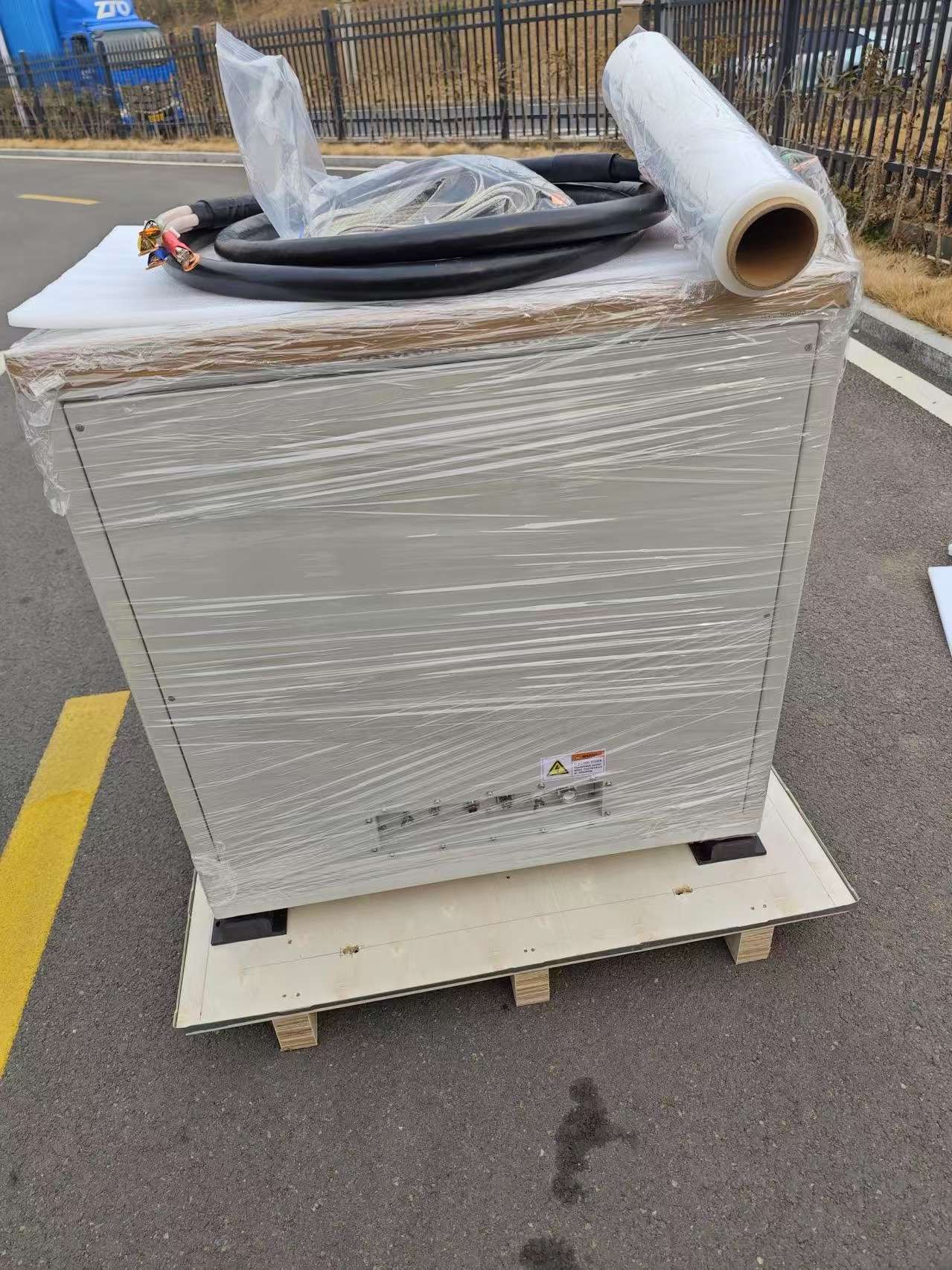
After the agreed functional verification is completed, equipment can move into packing and delivery preparation. Packaging should protect the generator components and connection areas during handling and transportation. Final packing depends on the equipment configuration and shipment requirements.
Confirm equipment configuration before packing.
Protect external interfaces and vulnerable connection areas.
Prepare the agreed project documents with the delivery stage.
Coordinate packing with equipment size and shipping method.
Questions to Ask When Comparing Microwave Generator Suppliers
Compare the Confirmed Configuration, Not Only the Quoted kW
Two quotations with the same frequency and rated microwave power may still differ in generator architecture, interfaces, controls, protection, cooling requirements, included components, testing and documentation. These items should be compared before the final supplier decision.
Start with the Application and Interface Requirements
Send your application, target power, frequency, chamber or applicator information, waveguide interface, electrical supply, cooling conditions, control requirements, quantity and destination country for an initial project review.