适用于港口、造船厂与商船的商用岸电系统
SDACME supplies project-configured shore power systems for ports, terminals, shipyards, dry docks and commercial vessel applications.
Our work covers the complete electrical path from the available shore supply to the vessel connection, including voltage transformation, 50Hz/60Hz frequency conversion, low-voltage and high-voltage distribution, switchgear, protection, grounding, control, metering, monitoring, shore connection equipment and containerized integration.
There is no single standard shore power system that fits every berth.
The useful starting point is the actual project.
Before selecting equipment, the key questions are:
- What voltage and frequency are available on shore?
- What voltage and frequency does the vessel require?
- What is the actual berth operating load?
- Are large motors, step loads or short-duration peaks involved?
- Is a low-voltage or MV/HV vessel connection more practical?
- Will the equipment be installed indoors, outdoors or inside a containerized package?
- Will one system serve one berth, several selectable connection points or several vessels simultaneously?
- Does the project require only frequency conversion equipment, or a wider integrated shore power package?
- Which interfaces, cables, site services and acceptance activities belong inside the supplier scope?
SDACME reviews these conditions before defining the system architecture, equipment ratings and supply boundary.
Core Project Capabilities
The confirmed low-voltage reference range currently covers 300–3000 kVA, with 50Hz and 60Hz input support and common LV output voltages including 380V, 400V, 415V, 440V, 450V and 480V.
What Is a Commercial Shore Power System?
A commercial shore power system supplies electrical power from shore to a vessel while it is berthed so that eligible onboard electrical loads can operate from the shore-side source rather than relying entirely on onboard auxiliary generators.
The principle is simple.
The electrical engineering behind it can be much more complex.
A vessel may require a different voltage from the local port grid. It may operate at 60Hz while the shore supply is 50Hz. The connected load may include large motors with significant starting current. Several berth positions may share one shore power source. The connection may be low voltage, medium voltage or high voltage. The equipment may need to be installed outdoors in a marine environment or integrated into a container before shipment.
A complete shore-to-ship electrical path may therefore include:
Not every project uses every stage.
If the shore voltage already matches the vessel voltage, one voltage-transformation stage may not be necessary.
If both sides operate at the same electrical frequency, frequency conversion may not be required.
If voltage and frequency both differ, both mismatches must be addressed.
The purpose of the engineering review is therefore not to force every project into the same equipment list. It is to identify which electrical functions are actually necessary.
Voltage Conversion and Frequency Conversion Are Different Problems
This distinction is fundamental.
A transformer changes voltage.
It does not change electrical frequency.
A frequency converter changes electrical frequency.
Consider a shore supply of:
380V /50Hzand a vessel requirement of:
440V /60赫兹The project has two separate electrical mismatches:
- 380V must become the required vessel-side voltage.
- 50Hz must become 60Hz.
The system therefore needs an architecture that handles both functions.
Now consider:
440V / 60Hz shore → 440V / 60Hz vesselThe voltage and frequency already match.
In that case, the project may still require switching, protection, metering and vessel connection equipment, but frequency conversion itself may be unnecessary.
That is why the phrase “shore power system” should not be interpreted as one fixed product package.
It describes a complete electrical function.
Why This Matters When Comparing Suppliers
Two suppliers can both quote a “1000 kVA shore power system” while offering very different scopes.
- transformer;
- converter;
- switchgear;
- PLC/HMI;
- 保护;;
- enclosure;
- FAT.
- shore connection boxes;
- cable;
- cable-management equipment;
- site commissioning.
The capacity number alone does not tell the buyer whether the quotations are technically or commercially comparable.
Comparing Two Shore Power Quotations?
Send both technical scopes or equipment lists. A useful comparison starts by aligning what each quotation actually includes.
Common Shore Power Terms
- Shore Power
- The general term for supplying electrical power from the shore to a vessel while it is berthed.
- Onshore Power Supply — OPS
- A widely used industry term for shore-side vessel power. OPS refers to the overall function, not one specific piece of equipment.
- Shoreside Power / Shore-Side Electricity
- Alternative terms used to describe electricity supplied to a berthed vessel from land.
- Cold Ironing
- The practice of transferring eligible berth loads to shore electricity so that auxiliary-generator operation can be reduced during the connected period.
- Alternative Maritime Power — AMP
- A term used in some markets for shore-to-vessel electrical supply.
These terms are often used differently in different regions, but the engineering question remains the same: Can the available shore supply be converted, distributed and connected in a form that the vessel can safely and reliably use?
Shore Power Capability at a Glance
50Hz → 60Hz
60Hz → 50Hz
Both conversion directions are supported within the low-voltage platform.
Reference capacity range: 300–3000 kVA
Common project voltages include:
380V / 400V / 415V / 440V / 450V / 480V
This reference range should not be read as a universal engineering ceiling.
It represents the currently confirmed low-voltage platform. Larger or different project requirements should still be submitted for engineering review rather than rejected simply because they fall outside a standard reference table.
The useful final rating depends on:
- operating current;
- load behaviour;
- largest motor;
- transformer scope;
- connection method;
- cable route;
- installation environment.
Project-configured systems can be reviewed around common voltage classes such as:
6kV / 6.6kV / 10kV / 11kV
The current high-voltage engineering framework is not one rigid catalogue product.
Capacity, transformer configuration, 接地,, protection, switchgear and vessel interface are adjusted to the project.
Reference capacities include 2, 3 and 5 MVA, with parallel operation available for larger requirements.
- Indoor electrical room
- Outdoor cabinet
- Containerized package
Containerized integration can be used with either low-voltage or high-voltage equipment.
Confirmed arrangements include 20 ft, 40 ft and non-standard enclosures depending on equipment layout.
Not Sure Which Shore Power Architecture Fits Your Project?
Send the shore voltage, frequency, vessel requirement or even an incomplete project description. We can identify the missing technical information during the first project review.
Which Type of Shore Power System Do You Need?
The table below is a useful first filter.
| 项目状况 | Likely Direction | First Question |
|---|---|---|
| Shore and vessel frequencies differ | 船用变频器 | 50Hz ↔ 60Hz? |
| Vessel uses LV connection | Low-Voltage Shore Power | Is the resulting current practical? |
| Vessel uses MV/HV or project is multi-MVA | High-Voltage Shore Power | What voltage, current and interface are required? |
| Equipment must be factory integrated outdoors | Containerized Shore Power | What should be installed before shipment? |
| Several berth positions share infrastructure | Multi-Berth Engineering | Simultaneous or sequential vessel operation? |
This is only a first classification.
The final architecture still depends on voltage, load behaviour, transformers, switchgear, connection equipment and supply scope.
Have Only Part of the Project Data?
Send the voltage, frequency, estimated load, vessel information or drawings you already have. The first review can identify the missing data before the final system direction is defined.
船用变频器
When Is a Frequency Converter Required?
A marine frequency converter is required when the available shore frequency does not match the frequency required by the vessel.
Typical cases include:
50Hz shore → 60Hz vessel
and:
60Hz shore → 50Hz vessel
If both shore and vessel use the same frequency, the project may still require transformers, switching, protection and connection equipment, but frequency conversion itself may be unnecessary.
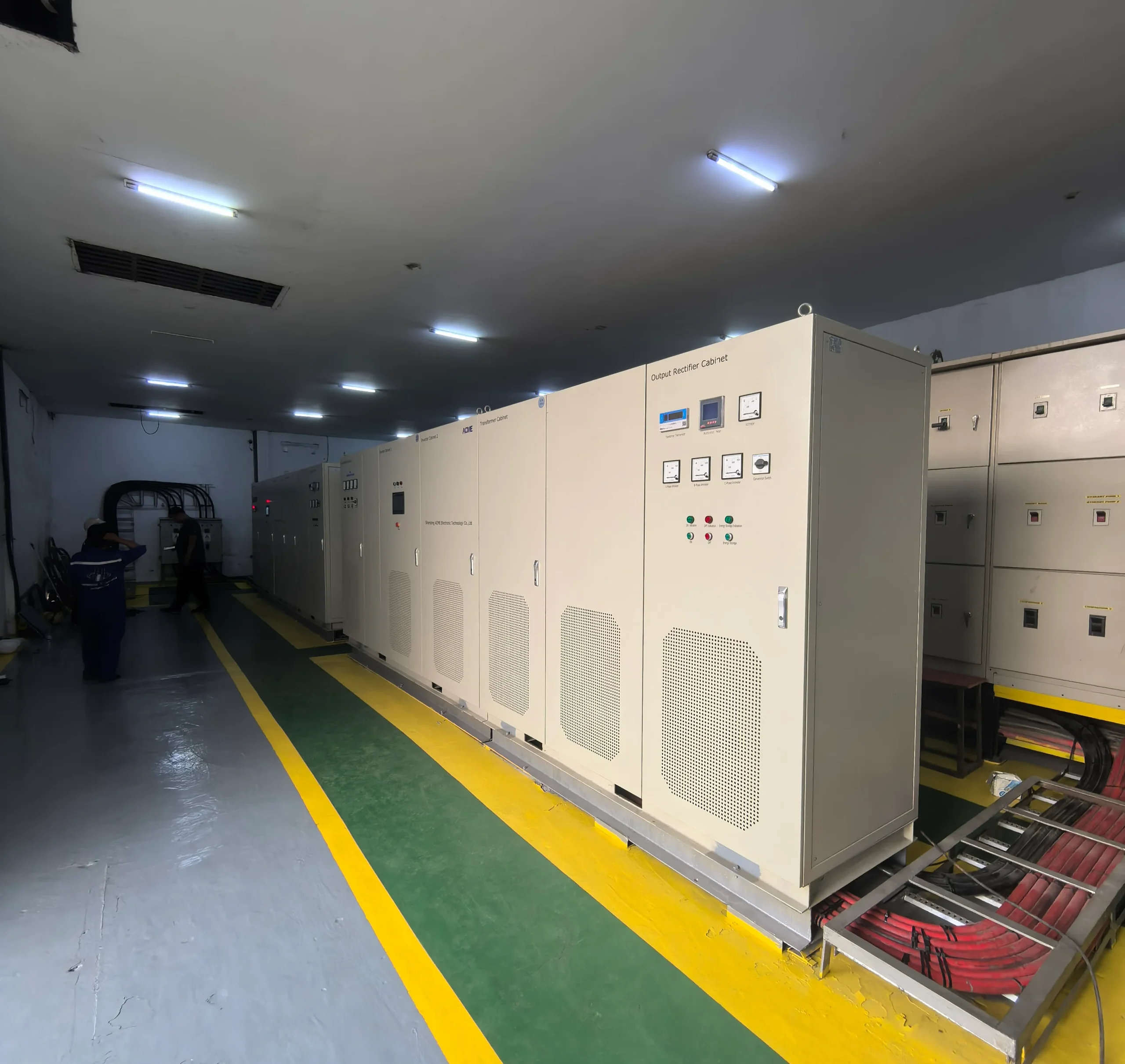
Shore power static frequency converter cabinet.
What Does the Converter Actually Do?
The converter produces a controlled AC output at the required frequency.
In a complete shore power installation, it normally operates as one part of a wider electrical system.
A typical power path can include:
- input switchgear;
- input transformer;
- frequency converter;
- output transformer;
- 输出开关设备;;
- 保护;;
- PLC/HMI;
- metering;
- communications;
- shore connection equipment.
The converter should therefore not be selected independently from the rest of the system when those items affect its operating conditions.
Why Converter Selection Is Not Just a kVA Question
A nominal 1000 kVA vessel load does not automatically mean that a 1000 kVA converter is the correct final rating.
The review should also consider:
- continuous load;
- peak load;
- largest motor;
- 电机启动方式;;
- load step size;
- 功率因数;;
- overload requirement;
- 变压器阻抗;;
- expected future expansion.
For example, a vessel with several direct-start motors can place a more demanding transient requirement on the converter than another vessel with the same steady-state load but softer starting characteristics.
When a Frequency Converter May Not Be the Right Focus
If shore voltage and vessel voltage differ but both sides operate at the same frequency, the primary engineering problem may be voltage transformation rather than frequency conversion.
Likewise, if a customer already owns a suitable frequency converter and is upgrading only the connection system, transformer, switchgear or monitoring layer, the project should be reviewed around those actual gaps instead of automatically proposing a new converter.
What to Send for a Converter Review
Send, if available:
- shore voltage;
- shore frequency;
- 船用电压;;
- 船只频率;;
- estimated kVA;
- largest motor;
- 启动方法;;
- required enclosure or installation form.
Confirmed low-voltage shore power configurations currently cover 300–3000 kVA with standard 50→60Hz and 60→50Hz capability.
Low-voltage shore power system equipment.
低压岸上电力系统
Low-voltage shore power is suitable where the vessel interface, required capacity and resulting current remain practical at LV level.
Typical vessel-side voltages include:
380V / 400V / 415V / 440V / 450V / 480V
A project may be relatively simple when shore and vessel requirements already match.
例如:
Shore: 400V /50Hz
Vessel: 400V /50Hz
may need only switching, protection and connection equipment.
A project such as:
Shore: 380V /50Hz
Vessel: 440V /60赫兹
requires a more complete conversion architecture.
Why Current Matters
For the same amount of power, lower voltage means higher current.
As current rises, it affects:
- cable cross-section;
- number of parallel conductors;
- busbar size;
- breaker rating;
- connector rating;
- heat dissipation;
- 电压下降;;
- cable handling.
At larger capacities, this can become the deciding factor.
Can this capacity be supplied at low voltage?
The better question is:Is low voltage still the most practical architecture for this berth and vessel interface?
When LV Is Usually Attractive
Low-voltage shore power can be a good fit when:
- the vessel already uses an LV shore connection;
- the required current remains manageable;
- cable distance is reasonable;
- the port has suitable LV infrastructure;
- the project benefits from simpler low-voltage distribution.
When LV Should Be Reconsidered
A higher-voltage architecture should be reviewed when:
- current becomes very high;
- cable quantity becomes impractical;
- voltage drop becomes difficult to control;
- the vessel already requires MV/HV;
- long distribution distances are involved.
Typical LV System Scope
A complete LV package may include:
- frequency converter;
- transformer;
- LV switchgear;
- 保护;;
- PLC/HMI;
- metering;
- monitoring;
- connection box;
- cable equipment;
- outdoor enclosure;
- containerized integration.
Connection equipment and site services are defined in the project quotation.
High-Voltage Shore Power Systems
High-voltage shore power becomes more relevant when the vessel interface, system capacity, operating current or distribution architecture makes MV/HV connection more practical.
Current project frameworks can be reviewed around:
6kV / 6.6kV / 10kV / 11kV
Other project voltages can also be submitted for engineering review.
Why Higher Voltage Can Be Useful
Higher voltage allows the same power to be transferred at lower current.
For multi-MVA projects, this can improve the practicality of:
- cable size;
- switchgear;
- distribution distance;
- 船舶连接;;
- cable handling.
High voltage is not automatically “better.”
It is simply a different architecture that can become more practical under specific operating conditions.
High-voltage shore power system equipment.
Typical HV System Architecture
A high-voltage shore connection may include:
- MV input switchgear;
- transformer;
- frequency conversion where required;
- output transformer;
- MV output switchgear;
- grounding equipment;
- 保护继电器;;
- PLC/HMI;
- metering;
- monitoring;
- vessel connection interface.
Why Grounding and Protection Must Be Engineered
High-voltage grounding should not be copied directly from another project.
Grounding resistance, transformer arrangement, fault level and protection settings influence:
- earth-fault current;
- relay settings;
- trip coordination;
- personnel protection;
- system stability.
The existing high-voltage technical framework treats grounding resistance as project-specific rather than one universal fixed value.
High Voltage Does Not Automatically Mean Frequency Conversion
If the shore and vessel frequencies already match, frequency conversion may not be required.
If they differ, the frequency-conversion stage becomes part of the HV architecture.
What to Send for an HV Review
Useful starting data includes:
- available shore voltage;
- shore frequency;
- vessel connection voltage;
- required MVA;
- expected berth load;
- cable distance;
- grounding requirements if known;
- vessel connection information.
Outdoor factory-integrated shore power package for LV or HV project configurations.
集装箱式岸上电力系统
Containerization describes how the equipment is packaged and integrated.
It does not define the electrical voltage class.
Both LV and HV shore power systems can be integrated into engineered outdoor enclosures.
Why Use a Containerized Package?
Containerization is useful when:
- no suitable electrical room exists;
- equipment must operate outdoors;
- more assembly should be completed before shipment;
- site construction time should be reduced;
- the project requires a defined equipment footprint;
- HVAC or environmental control is required.
A container can integrate:
- converter;
- transformer;
- switchgear;
- 保护;;
- PLC/HMI;
- monitoring;
- HVAC;
- lighting;
- auxiliary power.
What Factory Integration Changes
Instead of delivering several separate cabinets and leaving most integration work to the site, a containerized package allows more work to be completed before shipment.
This can include:
- equipment installation;
- internal wiring;
- interface wiring;
- control integration;
- HVAC integration;
- inspection;
- FAT.
Confirmed scope supports LV and HV containerized integration, 20 ft / 40 ft / non-standard enclosures, HVAC, anti-condensation measures, factory equipment installation, internal wiring and FAT.
Containerized Is Not the Same as Mobile
A container may remain permanently in one position.
A truly relocatable package must also consider:
- movement frequency;
- lifting and handling;
- cable routing;
- connection time;
- repeated connection cycles;
- parking and operating position.
Containerization solves packaging and integration. Mobility solves relocation.
Not Sure Whether Your Project Needs LV, HV or Frequency Conversion?
Send the available shore-side and vessel-side electrical data first. Even partial information is enough to begin the initial project review and identify the next engineering step.
How to Select a Shore Power System
A useful selection process follows the electrical path from the shore source to the vessel.
The purpose is not to collect data for its own sake.
Each Gate changes a real design decision.
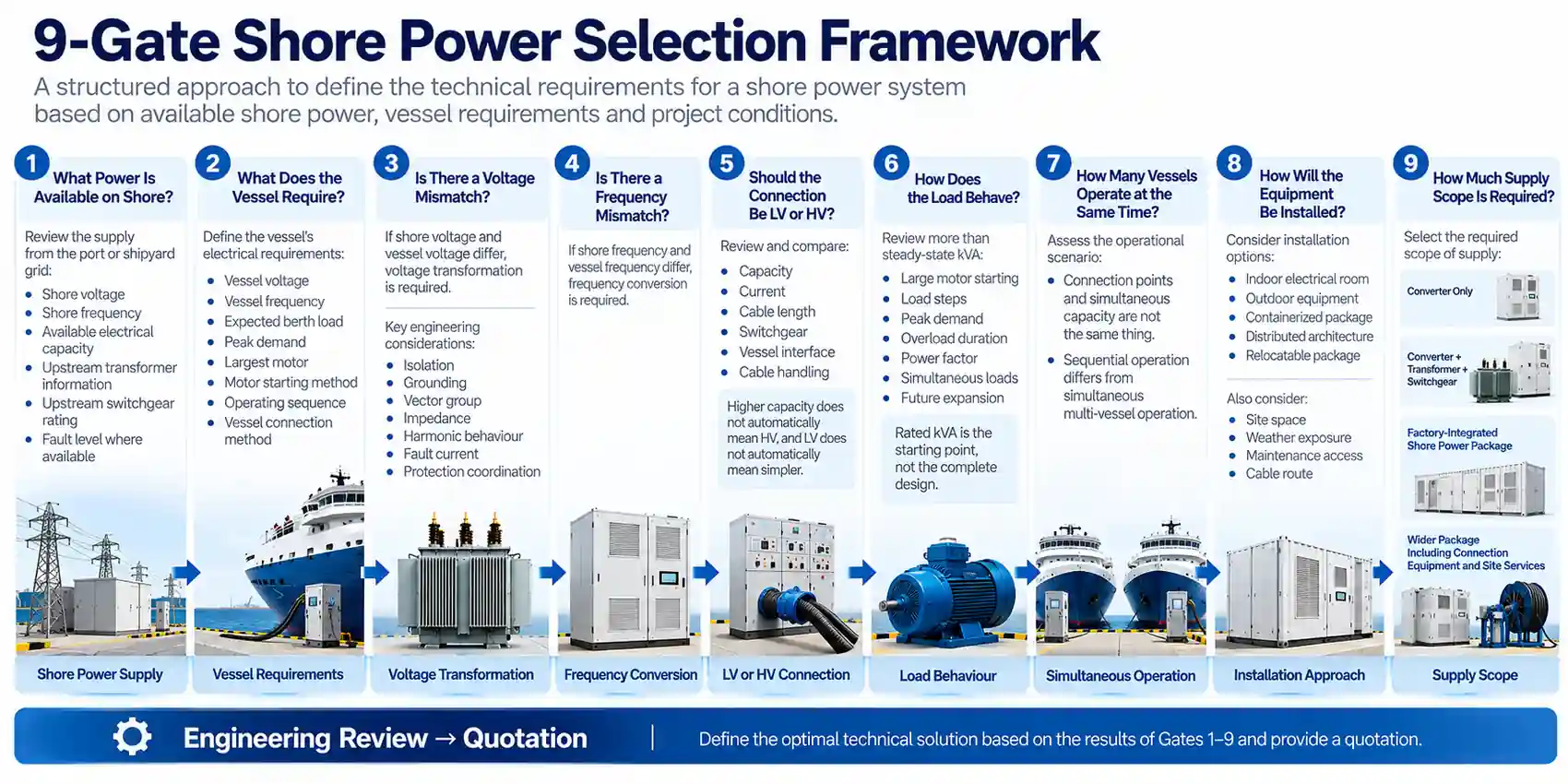
Electrical Compatibility
Gate 1|What Power Is Available on Shore?
Start with the electrical source that the port, terminal or shipyard can actually provide.
The most useful input data is:
- shore voltage;
- shore frequency;
- available electrical capacity;
- upstream transformer information;
- upstream switchgear rating;
- fault level where available.
These values define the input side of the shore power system.
A project fed from:
starts from a very different architecture than a project whose available source is:
10kV / 50HzThe shore voltage helps determine:
- input switchgear voltage class;
- transformer requirement;
- conductor current;
- insulation level.
The shore frequency determines whether a frequency mismatch exists.
Available capacity must also be checked.
The fact that a berth has electrical infrastructure nearby does not automatically mean enough capacity is available for the planned vessel load.
Upstream transformer and switchgear information becomes increasingly important for:
- protection coordination;
- breaker selection;
- short-circuit rating;
- MV/HV system design.
Voltage already suitable: continue to vessel-side review.
Voltage unsuitable: include transformation.
Frequency differs: include frequency conversion.
Available capacity uncertain: confirm upstream network capability before final sizing.
If detailed grid information is not yet available, begin with voltage, frequency and approximate available capacity.
Gate 2|What Does the Vessel Require?
The vessel-side requirement defines the output that the shore power system must produce.
确认:
- 船用电压;;
- 船只频率;;
- expected berth load;
- peak demand;
- largest motor;
- 电机启动方式;;
- operating sequence;
- vessel connection method.
Vessel voltage and frequency are the first compatibility checks.
But they are not enough.
A vessel with a 1000 kVA continuous berth load and no large motor starts differently from another vessel with a lower continuous load but a large direct-start motor.
The largest motor matters because its starting current can influence:
- converter transient capability;
- voltage dip;
- transformer response;
- protection settings.
Operating sequence also matters.
A vessel that starts several major loads at the same time produces a different transient condition from one that adds loads gradually.
Steady load only: basic capacity may dominate.
Large motors or major load steps: dynamic performance becomes a sizing input.
Vessel data incomplete: use vessel electrical drawings, motor list or operating information to complete the review.
Gate 3|Is There a Voltage Mismatch?
If shore voltage and vessel voltage differ, voltage transformation is required.
例子包括:
These may all require different transformer arrangements.
Transformer selection affects more than nominal voltage.
Engineering considerations can include:
- 隔离;;
- grounding;
- vector group;
- impedance;
- harmonic behaviour;
- fault current;
- protection coordination.
A project may use transformation before the frequency converter, after the converter or at more than one stage depending on the architecture.
Same voltage: transformation may be unnecessary.
Different voltage: transformer stage must be defined.
MV shore to LV vessel: step-down and downstream distribution become central design items.
MV shore to MV vessel: transformer, frequency conversion and grounding arrangement require project-level engineering.
Gate 4|Is There a Frequency Mismatch?
Frequency mismatch is a separate problem from voltage mismatch.
Same Frequency
If both sides use 50Hz, or both use 60Hz, a frequency converter may not be needed.
Different Frequency
If shore and vessel frequencies differ, frequency conversion must be included.
Examples:
Voltage matches.
Frequency does not.
A converter is required.
Frequency matches.
Voltage does not.
The project primarily needs voltage transformation.
Both differ.
The architecture must address both.
Never add a frequency converter simply because the project is called “shore power.”
Add it because the electrical frequency requires it.
Have Shore-Side and Vessel-Side Electrical Data?
Send the voltage, frequency and available load information first. Even if the full electrical package is not complete, these values are enough to begin the compatibility review.
Capacity & Operating Architecture
Gate 5|Should the Connection Be LV or HV?
This is one of the most important project decisions.
Do not select LV or HV from capacity alone.
Review:
- vessel connection voltage;
- 所需容量;;
- operating current;
- cable distance;
- switchgear;
- connector requirements;
- cable handling;
- port distribution architecture;
- future expansion.
For the same transferred power:
Lower voltage means higher current.
Higher current affects:
- cable cross-section;
- number of conductors;
- busbars;
- breaker size;
- connector rating;
- losses;
- 电压下降;;
- heat;
- physical cable handling.
A higher-voltage architecture can therefore become more practical as capacity or distance increases.
But there is no universal point where every project must switch to HV.
例子
A high-capacity vessel already designed for a 6.6kV shore connection naturally points toward an HV architecture.
A smaller vessel using 440V with a short cable run may be better served by LV.
Choose the voltage class that produces the most practical complete connection, not simply the highest or lowest voltage technically possible.
Gate 6|How Does the Load Behave?
Steady-state kVA is only part of the sizing problem.
Review:
- continuous load;
- peak demand;
- largest motor;
- 启动电流;;
- 启动方法;;
- load steps;
- overload duration;
- 功率因数;;
- 同时负载;;
- future expansion.
Continuous Load Is Not the Same as Peak Demand
A vessel may normally operate at 800 kVA but briefly reach a much higher demand during motor starting or simultaneous equipment operation.
Running Current Is Not Starting Current
Large induction motors can create short-duration current significantly above running current.
That can influence converter and transformer performance even when the continuous load is moderate.
例子
Vessel A
900 kVA steady load
No large direct-start motor
Vessel B
750 kVA steady load
One large direct-start motor
Vessel B may place the more demanding transient requirement on the shore power system.
Rated kVA is the starting point, not the complete design.

Gate 7|How Many Vessels Operate at the Same Time?
Connection points and simultaneous capacity are not the same thing.
Consider five berth outlets.
Five connection positions exist.
Only one vessel operates at a time.
A shared system may be practical.
Five positions exist.
A maximum of two vessels operate simultaneously.
The system should be reviewed around the combined two-vessel demand rather than all five connections.
All five berths must operate simultaneously.
The conversion and distribution architecture must support the combined load.
Do not multiply one vessel's rating by the number of connection boxes unless all positions actually need simultaneous full-capacity operation.
Installation & Supply Boundary
Gate 8|How Will the Equipment Be Installed?
Installation form changes both mechanical and electrical design.
Useful where a suitable building already exists.
Review:
- room dimensions;
- ventilation;
- access;
- maintenance clearance;
- cable entry.
Requires greater attention to:
- enclosure protection;
- 湿度;;
- 腐蚀;;
- 接触盐;;
- cooling;
- 维修通道。.
Allows more factory integration before shipment.
Useful where:
- no electrical room exists;
- project schedule benefits from prefabrication;
- outdoor operation is required.
Requires additional review of:
- movement;
- lifting;
- cable handling;
- repeated connections;
- parking positions;
- connection time.
Select the installation form from operating conditions, not simply from appearance or transport convenience.
Gate 9|How Much Supply Scope Is Required?
Supply scope should be defined before price comparison.
Suitable where the customer already has:
- transformers;
- switchgear;
- distribution;
- shore connection infrastructure.
May include:
- converter;
- transformers;
- switchgear;
- 保护;;
- PLC/HMI.
Can additionally include:
- enclosure or container;
- HVAC;
- internal wiring;
- monitoring;
- factory integration;
- FAT.
May also include, when required:
- shore connection box;
- plugs and connectors;
- shore cable;
- cable-management equipment;
- site installation;
- SAT;
- commissioning;
- training.
These items are not automatically included in every quotation.
Two quotations with the same kVA are not commercially comparable until the supply boundaries are aligned.
Common Shore Power Selection Mistakes
Mistake 1|Selecting Only by kVA
Capacity alone does not show load behaviour.
Mistake 2|Assuming a Transformer Changes Frequency
它没有。.
Mistake 3|Choosing LV or HV from Preference
Use current, capacity and vessel interface.
Mistake 4|Ignoring Motor Starting
This can cause voltage disturbance or nuisance trips.
Mistake 5|Treating Containerized as Automatically Mobile
Packaging and mobility are separate questions.
Mistake 6|Sizing Multi-Berth Systems from Outlet Count
Simultaneous demand is more important.
Mistake 7|Comparing Prices Before Comparing Scope
A converter-only quote cannot be compared fairly with a complete package.
Not Sure Where to Start?
Send whatever you know.
例如:
Shipyard project. Around 1000 kVA. Shore is 50Hz. Vessel requires 60Hz.
That is enough to begin the first engineering review.
Real Projects, Not Only Reference Specifications
A reference project is useful when it shows why the configuration was selected and what the delivered system actually proved.

Indonesia|2 × 1200 kVA Shore Power Systems
380V / 50Hz → 380V / 60HzThis shipyard / dry-dock application used two 1200 kVA shore power conversion units.
Project Data
The important engineering point is simple:
The voltage level already matched.
The frequency did not.
The primary conversion requirement was therefore:
50Hz → 60Hz
rather than a complete change in voltage class.
Project Challenge
The project needed a practical way to provide the vessel-side 60Hz supply from an available 50Hz shore source.
Why This Configuration
Using two 1200 kVA units created a project-specific architecture rather than assuming one larger converter was automatically the best solution.
What the Reference Demonstrates
The project demonstrates:
- real 50→60Hz frequency conversion;
- multi-unit project execution;
- shipyard / dry-dock application;
- completed commissioning and acceptance.
Singapore|400 kVA Containerized Shore Power
415V / 50Hz → 415V / 60HzThis project used a 400 kVA outdoor containerized package for shipyard operation.
Project Data
The project illustrates two independent engineering decisions.
Electrical Decision
The electrical frequency needed to change from 50Hz to 60Hz.
Installation Decision
The equipment was integrated into an outdoor container so that assembly, internal wiring and testing could be completed before delivery.
Why Containerization Helped
Factory integration reduced the amount of equipment assembly left for site and created a defined outdoor package.
What Was Verified Before Delivery
The containerized format allowed:
- equipment integration;
- internal wiring;
- pre-shipment inspection;
- factory testing.
The Indonesia and Singapore references are both recorded as delivered, commissioned, accepted and operating projects.
What These Projects Tell You
A reference project should not be copied blindly.
Its value is that it demonstrates:
- engineering capability;
- system integration;
- factory preparation;
- project delivery;
- commissioning;
- actual operating experience.
The same engineering process can then be applied to a different combination of voltage, frequency, capacity, vessel and berth layout.
Your Project Does Not Need to Match These References Exactly
Different voltage, capacity, vessel type or berth arrangement can still be reviewed using the same engineering process. Send the available project data first and we can identify the next step.
Have a Similar Requirement?
You do not need to prepare a full RFQ.
Voltage, frequency, capacity and drawings can be added later.
Start with what you already know — even a short project description is enough to begin the first review.
Shore Power Applications
Different shore power applications can use similar electrical equipment while requiring very different architectures.
The application determines how much flexibility, redundancy, mobility and distribution complexity is useful.
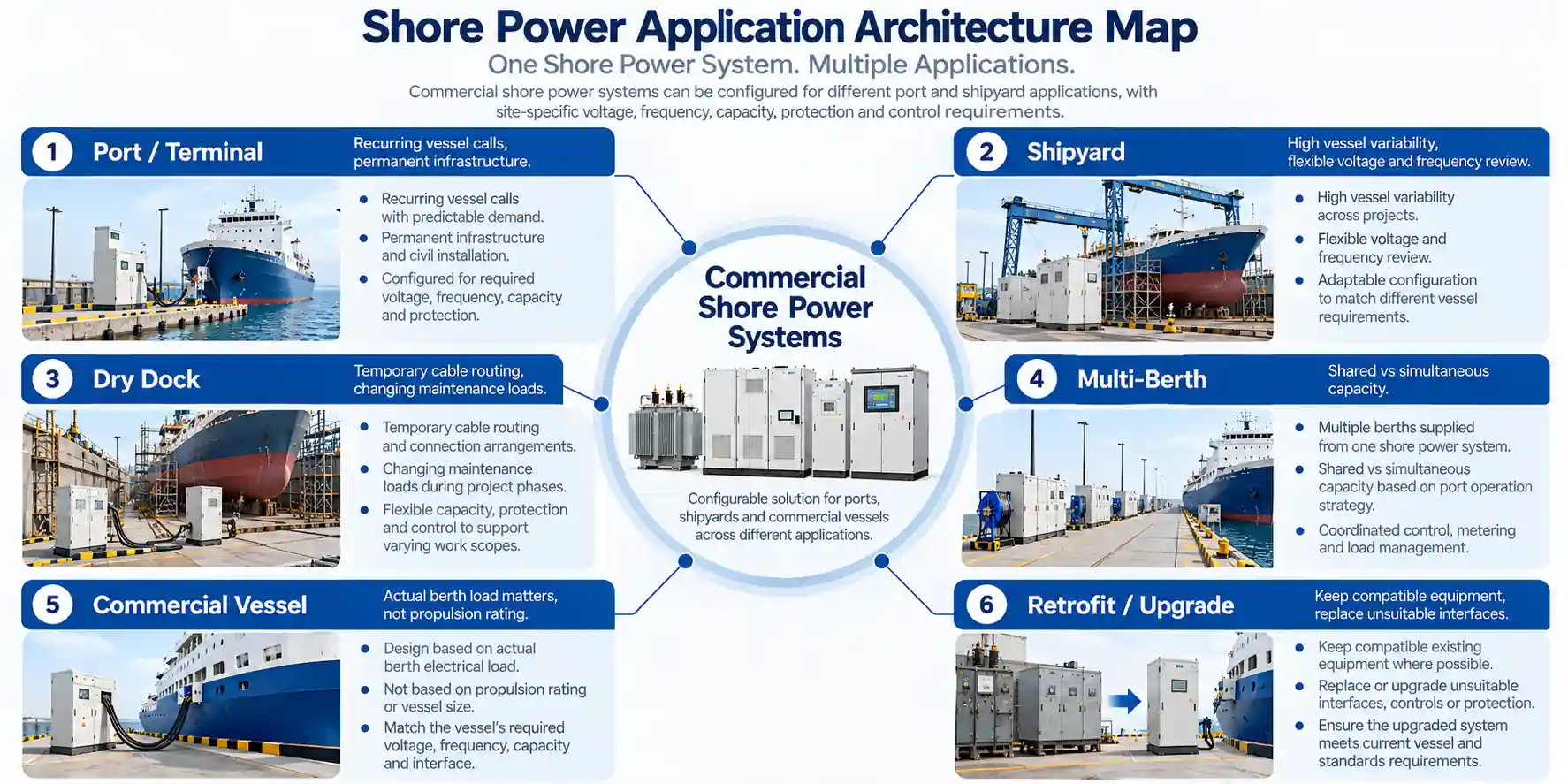
Ports and Commercial Terminals
Commercial terminals usually serve a defined vessel population and operate repeatedly over the same berth infrastructure.
That creates an opportunity to optimize the shore power architecture around:
- vessel types;
- regular operating schedules;
- known voltage/frequency combinations;
- predictable berth positions.
A port may use:
- one dedicated system per berth;
- one shared converter serving several positions;
- centralized conversion with distributed outputs;
- separate systems for different vessel groups.
Why Port Projects Often Need More Than a Converter
A permanent terminal may also require:
- metering;
- billing data;
- remote monitoring;
- SCADA;
- connection interlocks;
- cable management;
- long-term maintenance access.
Unlike a temporary shipyard arrangement, a commercial terminal often needs repeatable connection procedures over many vessel calls.
Sizing the system from vessel propulsion rating rather than actual berth load.
The shore power system normally serves the electrical loads operating while the vessel is connected.
Future Expansion
If additional berths or larger vessels are expected later, the project should consider expansion during the initial architecture review.
This can influence:
- transformer sizing;
- switchgear;
- busbar capacity;
- converter modularity;
- spare feeder positions;
- physical layout.
Shipyards
Shipyards typically face greater variation than fixed commercial terminals.
Different vessels can arrive with different:
- 电压;;
- 频率;;
- capacity;
- cable route;
- connection position;
- operating condition.
A yard serving a narrow fleet may use a relatively fixed electrical configuration.
A yard handling many vessel types may benefit from greater flexibility.
Why Flexibility Matters in Shipyards
A vessel under repair may not operate in the same condition as a vessel at a normal commercial berth.
Electrical requirements can change during:
- repair;
- 维修;;
- commissioning;
- equipment testing;
- onboard system replacement.
The shore power equipment may therefore need:
- frequency conversion;
- several output voltages;
- multiple service positions;
- containerized integration;
- relocatable connection arrangements.
Shipyard Cable Routing
Cable distance and vessel position can change from one project to the next.
That affects:
- 电压下降;;
- 电缆长度;;
- cable protection;
- cable-handling method;
- location of connection equipment.
For some yards, cable routing becomes one of the most practical constraints in the entire system.
Dry Docks
Dry-dock operation introduces constraints that do not always exist at a normal berth.
A vessel may remain connected for an extended maintenance period.
The vessel position is fixed by the dock rather than by a conventional quay.
Cable routes may pass along dock walls, dock floors or temporary maintenance zones.
What Changes in a Dry-Dock Project?
Important considerations can include:
- vessel connection location;
- dock access;
- cable protection;
- temporary cable routing;
- maintenance activity;
- long-duration connection;
- changing loads during repair;
- commissioning loads before vessel departure.
The load profile can also change during the maintenance period.
A vessel may begin with relatively limited services and later require additional electrical demand as onboard systems return to operation.
Equipment Location
The shore power equipment should be positioned so that:
- maintenance access remains practical;
- cable routes remain controlled;
- temporary construction does not obstruct the system;
- operators can connect and disconnect safely.
Planning Shore Power for a Shipyard or Dry Dock?
Start with the available shore voltage and frequency, the vessel requirement, expected load and approximate cable route. A complete technical specification is not required for the first review.
Multi-Berth Shore Power
A multi-berth project must distinguish between:
number of connection positions
and:
simultaneous operating demand.
Consider a terminal with four berth outlets.
One Vessel at a Time
One shared conversion source may be switched between berth positions.
Two Vessels Simultaneously
The conversion and upstream distribution should support the combined two-vessel demand.
All Berths Simultaneously
The system must be engineered for the total simultaneous load.
Common Multi-Berth Architectures
The correct choice depends on:
- vessel mix;
- operating schedule;
- 电压;;
- 频率;;
- simultaneous demand;
- expansion plans.
Cargo and Commercial Vessels
Commercial vessels can have very different berth load profiles.
Loads may include:
- pumps;
- ventilation;
- refrigeration;
- reefer loads;
- hotel services;
- deck machinery;
- auxiliary motors.
Container vessels, general cargo ships and service vessels should therefore be reviewed from actual berth demand rather than propulsion rating.
Why Vessel Type Matters
Two vessels with similar size can still present very different electrical conditions.
One may have:
- high reefer demand;
- several large auxiliary motors;
- significant hotel load.
Another may have a much lighter berth profile.
This is why vessel electrical data is more useful than vessel size alone.
Existing Shore Power Upgrades and Retrofit
Not every project starts from zero.
Existing installations may require:
- frequency-converter replacement;
- capacity expansion;
- new output voltage;
- new output frequency;
- additional berth connections;
- transformer replacement;
- switchgear replacement;
- monitoring upgrade;
- containerized replacement;
- cable-management changes.
What can remain and what must change?
That question should be answered before new equipment is selected.
An existing transformer may be reusable if its:
- voltage ratio;
- capacity;
- impedance;
- insulation;
- condition;
- grounding arrangement
remain suitable for the upgraded system.
Existing switchgear should be checked for:
- voltage class;
- current rating;
- fault rating;
- 保护;;
- interlocks;
- condition.
A new converter may need to integrate with existing:
- transformer;
- switchgear;
- shore connection box;
- PLC;
- cable system.
Compatibility should be confirmed before replacement equipment is ordered.
Useful starting information includes:
- existing SLD;
- equipment nameplates;
- drawings;
- site photos;
- current alarms or operating problems;
- target new operating condition.
Which Shore Power Application Best Matches Your Project?
Whether the requirement is for a commercial terminal, shipyard, dry dock, multi-berth installation, vessel-specific supply or an upgrade to an existing system, start with the electrical and operating information already available. Missing details can be identified during the first project review.
What Determines the Price of a Shore Power System?
Commercial shore power is project equipment.
A useful price cannot be determined from kVA alone.
Two systems with the same capacity can have very different costs because the electrical architecture, equipment scope and site responsibilities are different.
Capacity affects:
- converter size;
- transformer rating;
- switchgear;
- busbars;
- conductors;
- cooling;
- enclosure size.
But capacity does not scale price in a simple straight line.
A 3000 kVA system is not automatically exactly three times the price of a 1000 kVA system.
Some cost items scale with power.
Others are relatively fixed.
例子包括:
- PLC/HMI;
- engineering;
- documentation;
- FAT preparation;
- communication interfaces.
A 1000 kVA LV system and a 1000 kVA MV system are not equivalent.
Voltage changes the requirements for:
- insulation;
- switchgear;
- transformers;
- 保护;;
- connection equipment;
- testing.
MV/HV systems can require more specialized switchgear and protection even when the power rating is similar.
A same-frequency project can be significantly simpler than a 50Hz-to-60Hz conversion system.
If frequency conversion is not required, the power electronics section may be reduced or eliminated.
One quotation may include no transformer.
Another may include:
- input transformer;
- output transformer;
- 隔离变压器;;
- phase-shifting transformer.
Transformer scope can affect:
- cost;
- system footprint;
- weight;
- efficiency;
- grounding;
- harmonics.
Confirm whether the quotation includes:
- input breaker;
- output breaker;
- MV/LV switchgear;
- 保护继电器;;
- interlocks;
- grounding equipment.
A quotation that excludes switchgear can appear substantially cheaper while leaving a large part of the usable system outside the price.
Indoor cabinets and a fully integrated outdoor container are different supply scopes.
Containerization can add:
- enclosure;
- HVAC;
- lighting;
- auxiliary distribution;
- structural integration;
- internal cabling;
- corrosion protection;
- access arrangements.
But it can also reduce the amount of integration left for site.
The project may require:
- socket boxes;
- plugs;
- connectors;
- shore cables;
- cable reels;
- cable-management systems.
These items can represent a meaningful portion of the total project value.
They are treated as project-specific rather than universally included in every package.
Quotation scope should also clarify:
- FAT;
- customer witnessing;
- drawings;
- manuals;
- test reports;
- SAT;
- commissioning;
- training.
These activities require engineering and project resources.
Why Two 1000 kVA Shore Power Quotations Can Be Very Different
Imagine three quotations that all say:
1000 kVA Shore Power System
Frequency converter only.
Converter + transformer + switchgear + PLC/HMI.
Converter + transformers + switchgear + controls + container + HVAC + connection equipment + FAT + commissioning support.
All three may be technically legitimate.
They are not commercially comparable until the scope is aligned.

Before Comparing Two Shore Power Quotes, Check These 10 Items
Already Have a Shore Power Quotation?
Send the equipment list, technical scope or competing quotation. The useful comparison is not only the final number — it is whether the voltage, frequency, equipment scope and project responsibilities are being compared on the same boundary.
Why the Lowest Price Is Not Automatically the Lowest-Cost Solution
A lower quotation may exclude:
- transformer;
- switchgear;
- connection equipment;
- FAT;
- commissioning.
Those items still have to be purchased somewhere.
For this reason:
Compare the same technical and supply boundary before comparing the final number.
For a Faster Quote
Send whatever is available:
- shore voltage;
- shore frequency;
- 船用电压;;
- 船只频率;;
- estimated capacity;
- largest motor;
- berth number;
- installation form;
- required equipment scope.
If only two or three items are known, send them anyway.
Need a Shore Power Quotation?
You do not need to complete every technical item before contacting us. Send the project information already available and the missing quotation inputs can be identified during the first review.
Shore Power Manufacturing, Engineering & System Integration
A shore power supplier should do more than quote a converter cabinet.
The real project challenge is coordinating:
into one usable system.
SDACME supplies project-configured shore power equipment through engineering, manufacturing resources, assembly, system integration and factory testing.
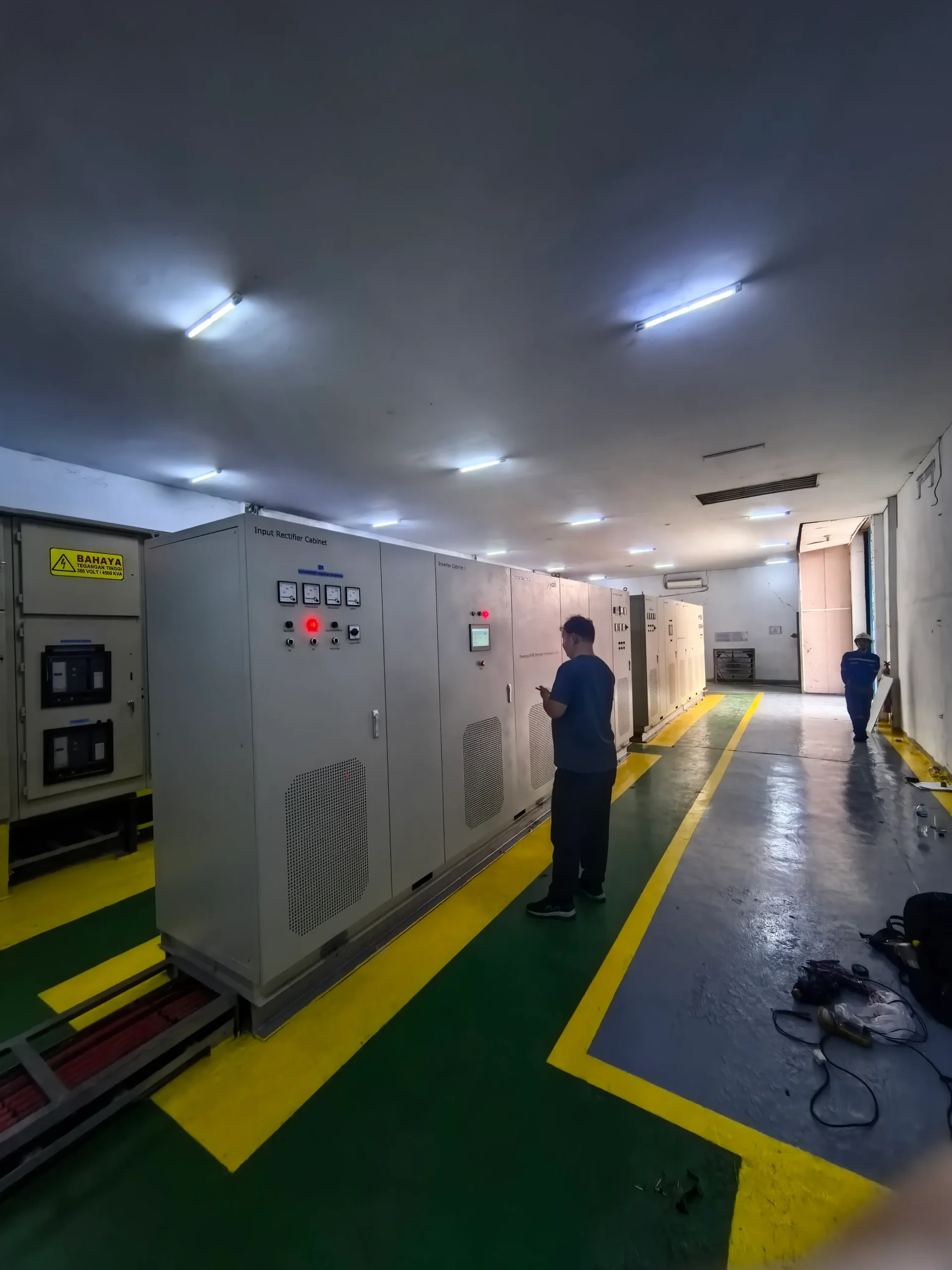
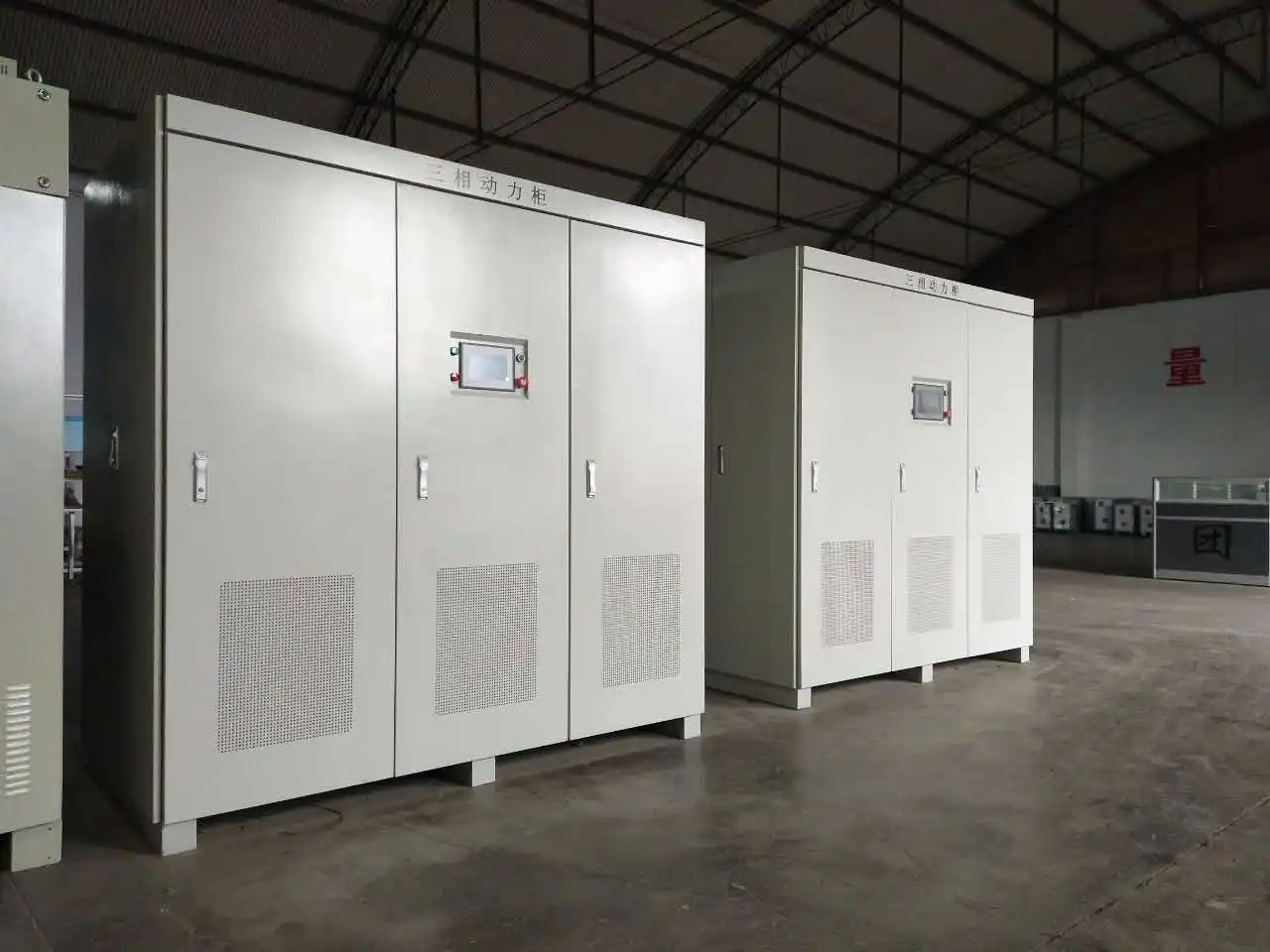
Assembled low-voltage shore power equipment during factory integration.
What Should a Buyer Expect from a Shore Power Supplier?
Engineering Review Before Quotation
A serious quotation should begin with project information, not a generic price list.
The first review should identify:
- voltage mismatch;
- frequency mismatch;
- likely LV/HV direction;
- capacity;
- load behaviour;
- installation form;
- missing data.
This helps avoid quoting equipment that later has to be changed because the original scope was incomplete.
A customer does not need to provide perfect information.
The purpose of the engineering review is partly to identify what is missing.
Multi-Equipment Integration
The converter should not be treated as an isolated cabinet when the project also includes:
- transformer;
- switchgear;
- grounding;
- 保护;;
- 连接设备。.
These systems influence each other.
例如:
- transformer impedance affects electrical behaviour;
- switchgear ratings must match current and fault conditions;
- grounding affects protection;
- interlocks must coordinate between equipment;
- PLC/HMI may need to supervise several subsystems.
A complete package should therefore be reviewed as one electrical system.
Factory Assembly and Integration
Where appropriate, equipment can be:
- assembled;
- installed;
- internally wired;
- interconnected;
- inspected;
- tested
before shipment.
This is especially valuable for containerized packages.
Factory integration reduces the amount of unfinished interface work left for site.
Confirmed containerized scope already includes factory equipment installation, internal wiring and FAT.
Clear Supply Boundary
The proposal should state exactly:
what SDACME supplies
and:
what remains with the customer, EPC contractor or local installer.
A clear boundary prevents later disputes over:
- cables;
- socket boxes;
- civil works;
- local installation;
- SAT;
- commissioning.
FAT Before Shipment
Factory testing provides evidence that the agreed factory scope has been assembled and tested before shipment.
A strong FAT process should include:
- agreed test plan;
- defined acceptance criteria;
- recorded results;
- punch-list management if required;
- final FAT documentation.
Real Project References
Completed projects such as Indonesia and Singapore provide stronger evidence than generic marketing language.
They demonstrate:
- real capacity;
- real voltage/frequency conversion;
- real factory integration;
- delivery;
- commissioning;
- acceptance.
Assembly, Integration and Factory Testing
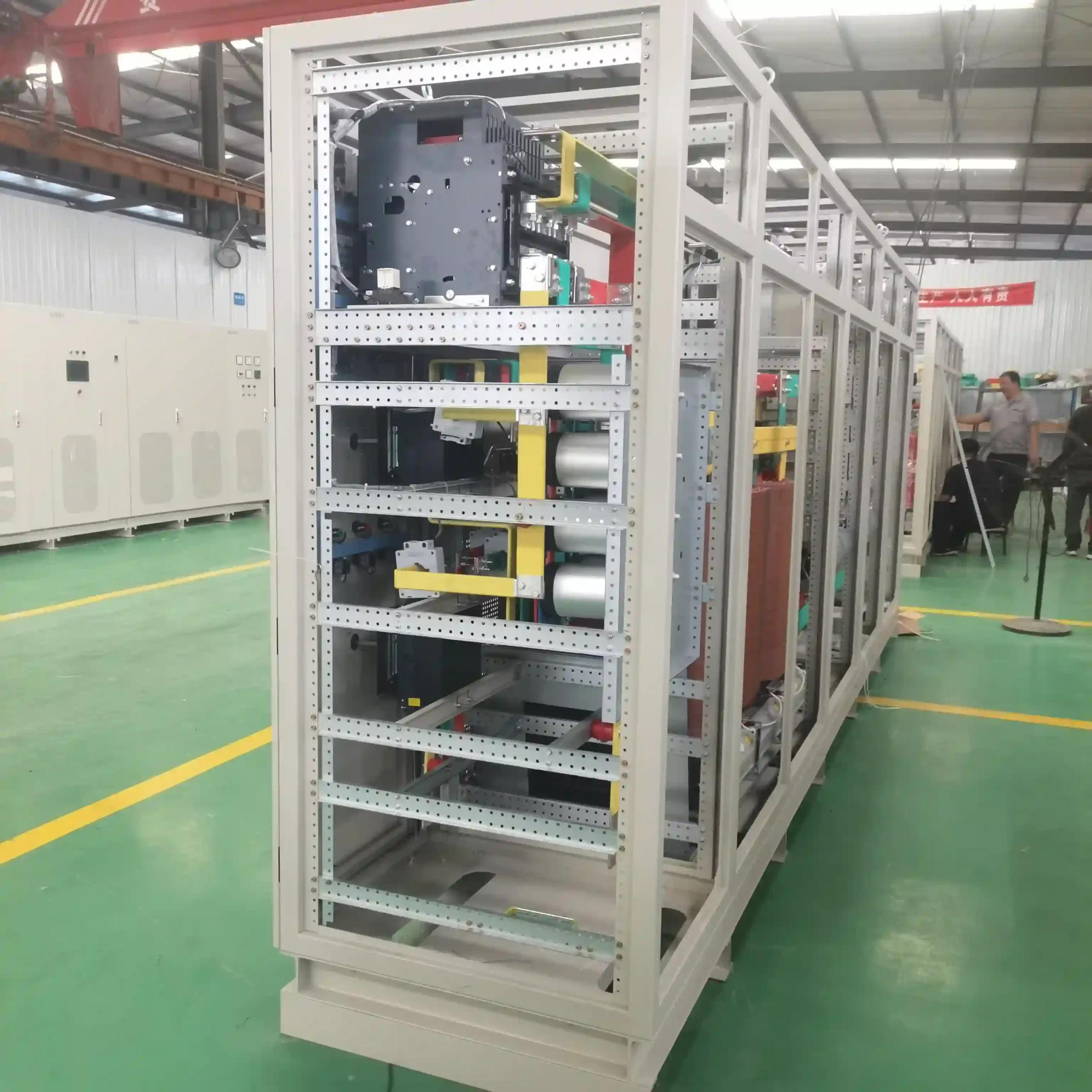
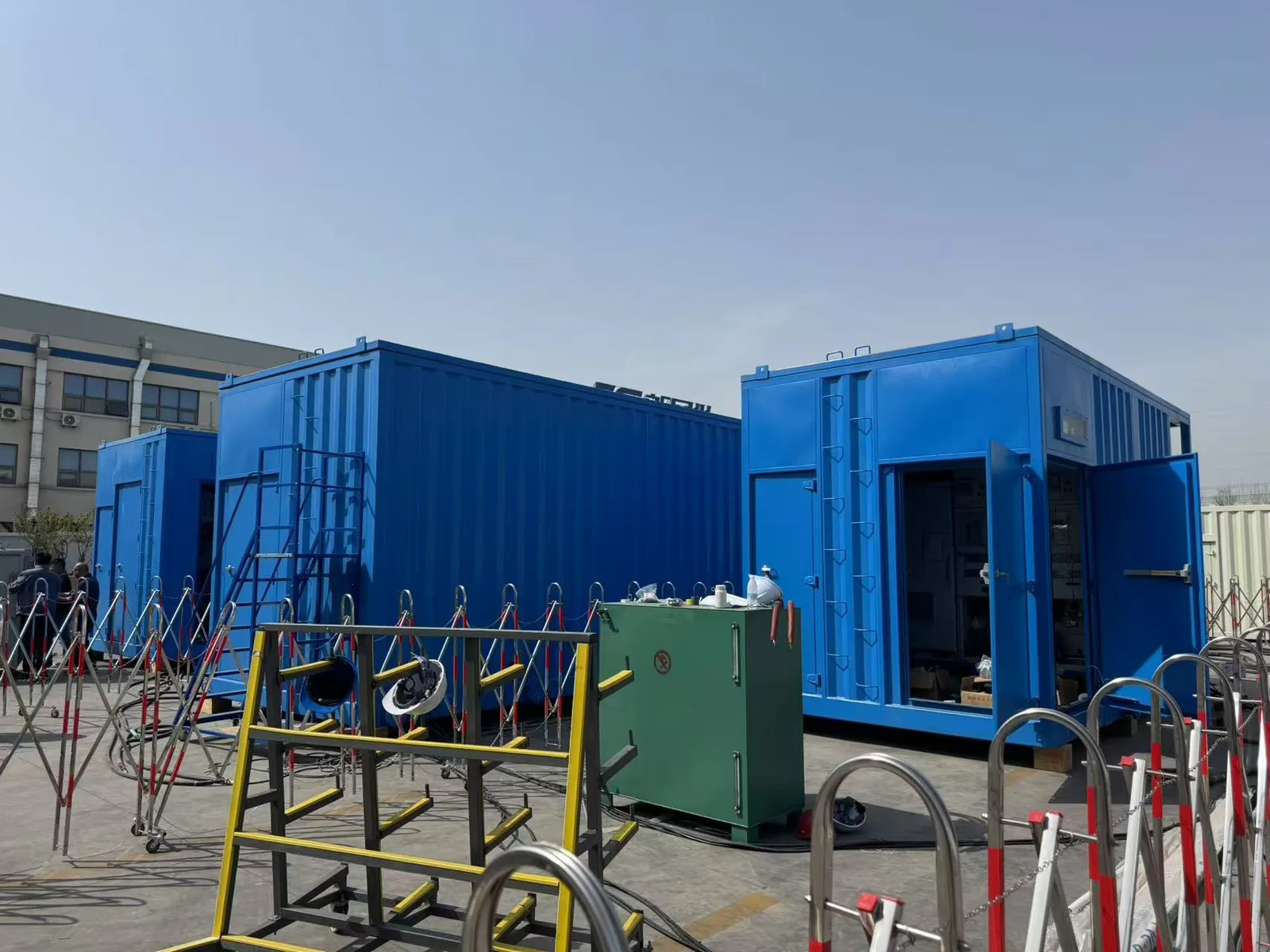
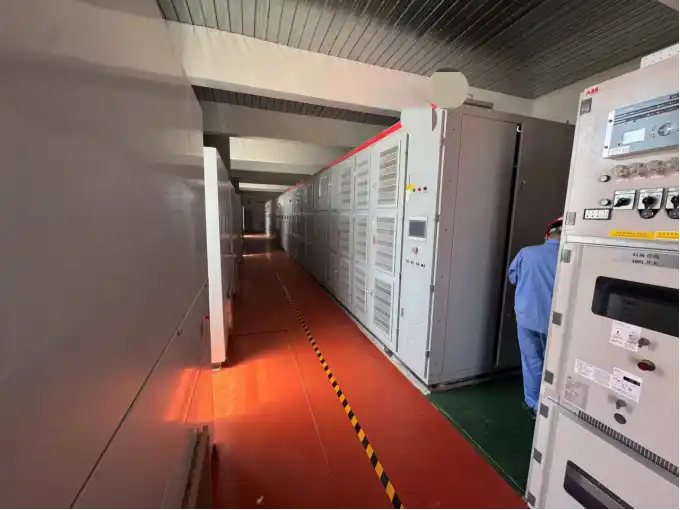
Typical Shore Power Supply Scope
| System Layer | 典型设备 | Typical Supply Approach |
|---|---|---|
| 功率转换 | Shore power frequency converter | Core |
| Voltage Transformation | Input / output transformers | Configured |
| Distribution | MV / LV switchgear | Configured |
| 接地 | Neutral grounding equipment | Configured |
| 保护 | Relays / interlocks | Configured |
| 控制 | PLC / HMI | Core / Configured |
| 监控 | Metering / SCADA / communications | Configured |
| Installation Package | Outdoor cabinet / container / HVAC | Configured |
| VEssel 界面 | Socket / plug / connector | Project-specific |
| 肖尔电缆 | Cable assemblies | Project-specific |
| Cable Management | Reel / CMS | Project-specific |
| FAT | Factory acceptance test | Core |
| Site Work | Installation / SAT / commissioning | Project-specific |
The available supply mapping confirms converters, transformers, switchgear, PLC/HMI, SCADA interfaces, outdoor/container integration and FAT within the available scope, while vessel-interface equipment, cables, cable management, installation, SAT and site commissioning are handled project by project.
Typical Delivery and Support Considerations
Reference Production Lead Time
A useful current reference is around 45 days for standard project configurations, with the actual schedule confirmed after engineering and supply scope are frozen.
Lead time may change when the project includes:
- custom transformer;
- MV switchgear;
- non-standard container;
- special cable equipment;
- third-party inspection;
- customer-specific FAT.
Warranty
A 12-month reference warranty from project acceptance is used as a standard basis, with final terms confirmed in the commercial quotation.
Remote Technical Support
Remote support is available after delivery.
It can support:
- operating questions;
- alarm review;
- troubleshooting;
- maintenance guidance.
Installation and Commissioning
Site installation and commissioning can be provided or coordinated according to project location, contractual scope and local responsibilities.
Training
Factory and remote training can be arranged.
Site training can also be reviewed when required.
Need to Define the Supply Boundary Before Quotation?
Send the project information, existing drawings or equipment scope already available. The first review can separate the factory supply from vessel-interface equipment, site work and other project-specific responsibilities.
Define the System, Supply Boundary and Delivery Scope Together
Start with the project information already available. The equipment, interfaces, factory scope and site responsibilities can then be clarified before the final quotation is frozen.