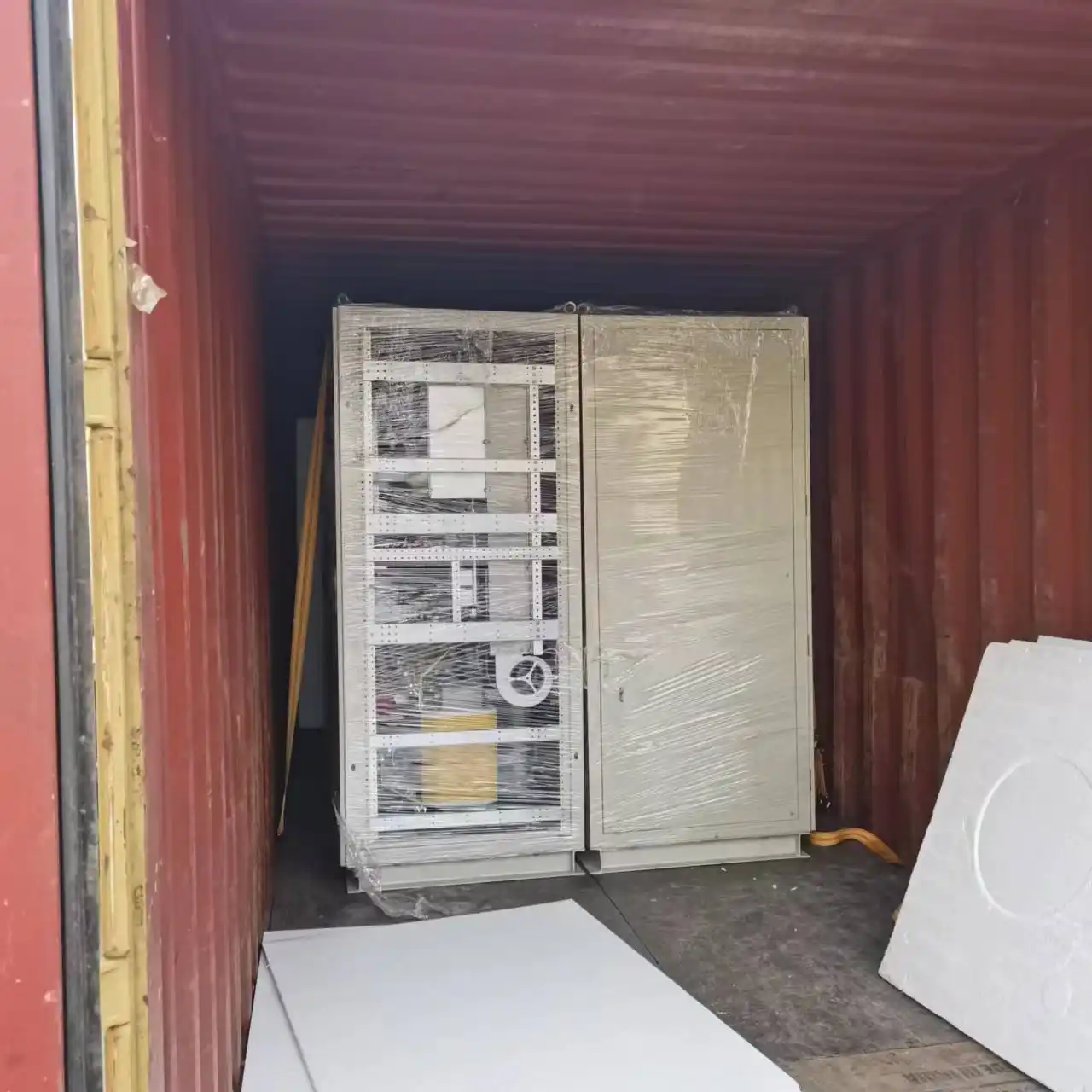
Shore Power Manufacturing & Factory Testing

Shore Power Factory Acceptance Test & Manufacturing

SDACME manufactures project-engineered shore power systems with factory assembly, electrical integration and project-specific factory acceptance testing before shipment. From internal wiring and component integration to functional verification, FAT records and delivery preparation, each system is checked against the approved technical requirements before leaving the factory.
Project-Specific Manufacturing Factory Acceptance Testing Customer FAT Witnessing FAT Reports & Documentation
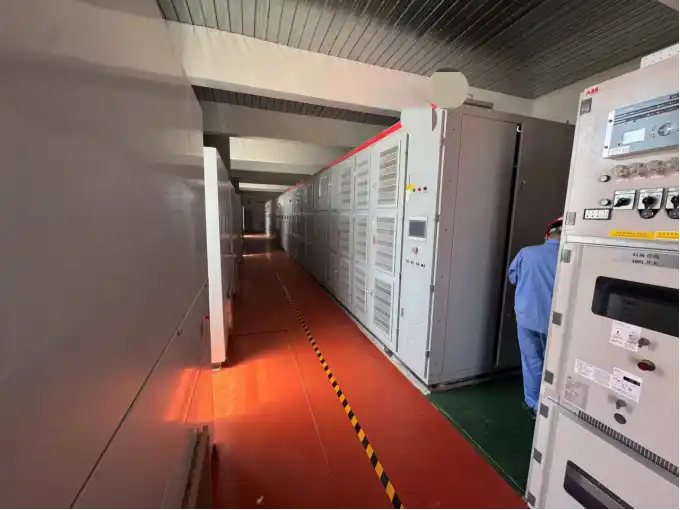
Factory acceptance test for a shore power frequency converter
Factory Testing
Factory Acceptance Testing Before Shipment

Shore power equipment is verified against the approved project configuration and agreed FAT procedure before delivery.

Stage 01 Manufacturing
Stage 02 Factory Testing
Stage 03 FAT Records
Manufacturer SDACME Shore Power Systems
Factory Stage Assembly · Integration · FAT
FAT Options Factory · Remote · Third-Party Witness
After Shipment Installation · SAT · Commissioning Support

01 · Project Delivery Process

From Shore Power Project Engineering to Site Commissioning

A shore power project involves more than supplying a frequency converter or electrical cabinet. Grid conditions, vessel interfaces, protection arrangements, testing requirements and site execution must work together as one engineered system. SDACME combines shore power project engineering, manufacturing, factory verification and project-defined site support around the approved technical configuration.

Typical project path: engineering confirmation → manufacturing → internal inspection → factory acceptance testing → FAT records → packing and shipment → installation, SAT and commissioning support.
Core Principle Verify before shipment.

Factory verification helps reduce technical uncertainty before equipment reaches the project site.

01

Shore Power Project Engineering

Confirm the required power rating, shore-side grid conditions, vessel-side voltage and frequency, transformer arrangement, switchgear requirements, electrical interfaces, communications and project execution requirements.

Engineering
02

Manufacturing & Assembly

Manufacture and assemble the required shore power equipment, including cabinets, internal wiring, busbars, frequency-conversion equipment and applicable transformer, switchgear, cooling and control systems.

Manufacturing
03

Internal Inspection

Review component installation, internal wiring, electrical connections and applicable power-on preparation before formal factory acceptance testing begins.

Inspection
04

Factory Acceptance Test

Verify the supplied equipment against the agreed FAT procedure and approved technical requirements before shipment.

FAT
05

FAT Records & Documentation

Prepare applicable test results, FAT records and project documentation as part of the equipment delivery package.

Documentation
06

Packing & Shipment

Complete final delivery checks and prepare the equipment for transportation according to the supplied configuration and agreed shipping arrangement.

Delivery
07

Installation, SAT & Commissioning Support

Installation guidance, site acceptance activities, commissioning support, operator training and remote technical assistance can be included according to the agreed project scope.

Site Support
Project-specific scope: manufacturing configuration, FAT items, documentation, installation support and commissioning activities are defined according to the supplied equipment and the agreed technical and commercial scope.

02 · Manufacturing & Integration

How SDACME Manufactures Shore Power Systems

SDACME manufactures shore power conversion systems around project-specific electrical and interface requirements. The final configuration depends on power rating, shore-side grid conditions, vessel-side voltage and frequency, transformer requirements, switchgear architecture, controls, communications and installation environment.

Factory Assembly Video Manufacturing Evidence

Shore power frequency converter assembly and internal electrical integration during the manufacturing stage.

01

Cabinet Assembly

Power conversion, control and auxiliary equipment are assembled into the required project configuration.

02

Internal Wiring & Busbars

Power wiring, control wiring, busbars and electrical connections are installed according to the approved design.

03

Converter Integration

Frequency-conversion equipment is configured for the required voltage, frequency and rated power.

04

Transformer Integration

Input or output transformers can be integrated where voltage conversion, isolation or system architecture requires them.

05

Switchgear Integration

Switching, protection and electrical interface equipment is integrated according to the project configuration.

06

Control & Cooling

HMI, communications, control interfaces, cooling and auxiliary systems are configured where required.
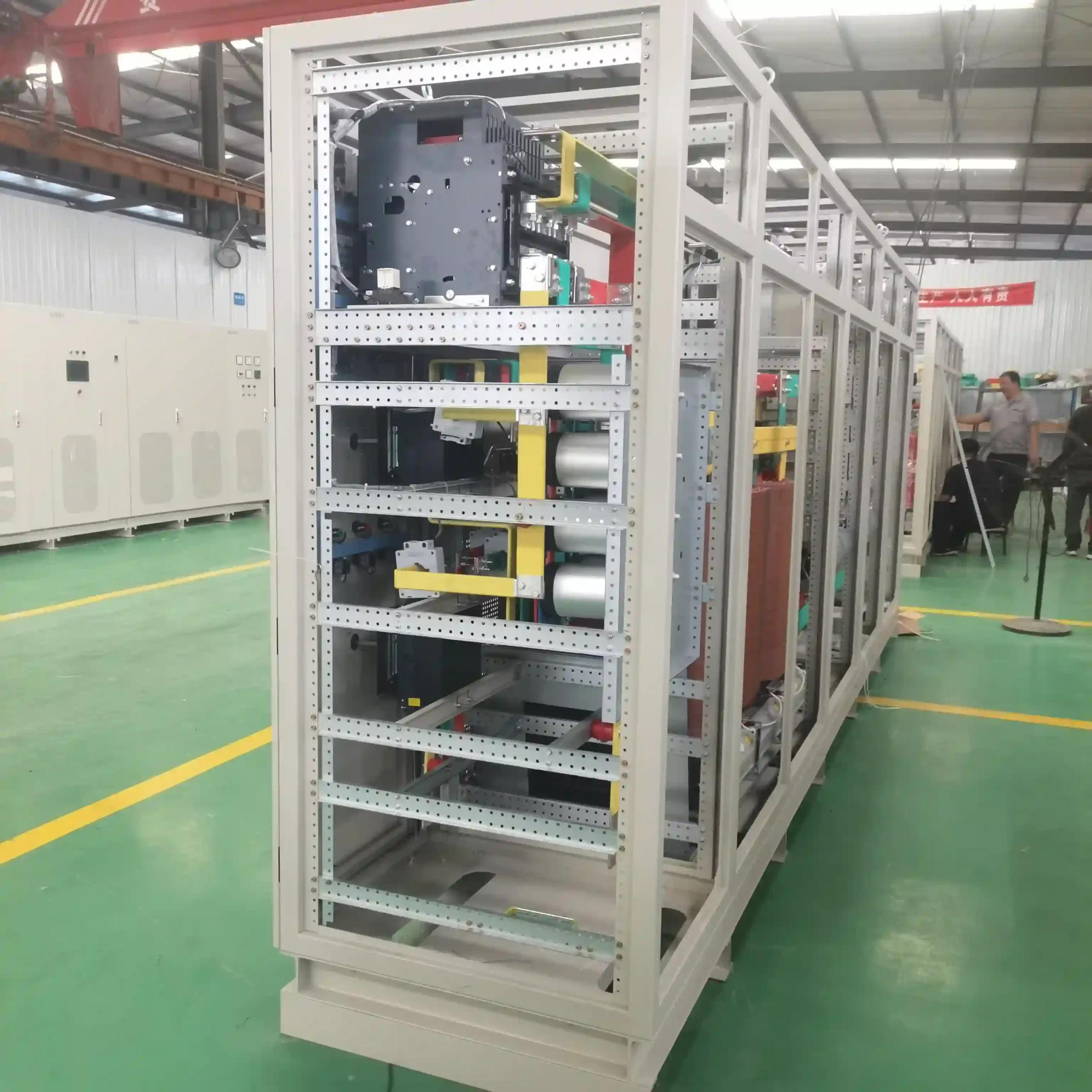
Internal wiring and component inspection of a shore power converter
Internal Wiring & Component Inspection

Manufacturing evidence is not limited to finished cabinet appearance. Internal wiring, busbars, installed components and electrical integration are inspected as part of the factory manufacturing process.

How are shore power systems manufactured? Shore power systems are normally built around a project-specific electrical architecture. The converter, transformer, switchgear, controls, cooling and interfaces are configured according to the required power rating, voltage, frequency and vessel or berth requirements rather than treated as one standard product.

03 · FAT Explained

What Is a Shore Power Factory Acceptance Test?

Direct Answer

A shore power factory acceptance test is a pre-shipment verification performed on the supplied shore power equipment against the approved technical requirements and agreed FAT procedure. Its purpose is to identify manufacturing, wiring, control, protection and operating issues before the equipment is shipped to site.

Visual & Assembly
Internal Wiring
Electrical Safety
Power-On Checks
Voltage & Frequency
Protection
Interlocks
HMI
Communication
Agreed Load Verification
Before Shipment

FAT

Factory Acceptance Test

Verifies the supplied equipment during the manufacturing stage against the agreed factory test procedure and acceptance criteria.

After Installation

SAT

Site Acceptance Test

Verifies the installed equipment and applicable site interfaces after delivery and installation.

Why FAT matters

A shore power acceptance test can refer to different project stages. Clearly separating FAT from SAT helps define the test location, responsibilities and acceptance criteria. For international projects, identifying an issue at the factory is normally more controlled than discovering the same issue after equipment reaches the port or shipyard.

04 · Factory Verification

What Is Checked During a Shore Power FAT?

A shore power FAT is more than simply energizing the equipment and confirming that the display operates. The verification scope should reflect the actual equipment supplied and the functions defined in the approved technical agreement.

01

Visual & Assembly Inspection

Review equipment assembly, component installation, identification, workmanship and configuration consistency.

02

Internal Wiring Inspection

Inspect power wiring, control wiring, terminal connections and applicable internal electrical connections.

03

Insulation & Safety Checks

Relevant insulation or withstand-voltage checks can be performed according to equipment type and the agreed FAT procedure.

04

Power-On & Operating Checks

Verify startup, basic operating functions and applicable no-load conditions under controlled factory conditions.

05

Voltage & Frequency Verification

Check applicable input and output conditions against the supplied configuration and technical agreement.

06

Protection & Interlocks

Verify applicable protection functions and required permissive, interlock and connection conditions.

07

HMI & Communication

Where included, applicable HMI, communication and external control functions can be verified during FAT.

08

Load & Performance Verification

Load or performance verification can be arranged according to equipment rating, available facilities and the agreed FAT plan.

Real Factory Evidence Shore Power Converter Testing

Factory testing of a shore power frequency converter. Specific test items and test conditions depend on the approved project FAT procedure.

FAT scope principle: the exact FAT items, test conditions and acceptance criteria are defined by the approved technical agreement and supplied configuration. Full-rated-load testing should not be assumed unless it is part of the agreed FAT procedure.

05 · Test Transparency

Customer-Witnessed FAT and Documented Test Results

Customers who require direct visibility into the factory acceptance process can arrange FAT witnessing according to the agreed inspection plan, project requirements and test schedule.

01

Factory FAT Witnessing

Customer engineers or authorized representatives can attend agreed factory acceptance activities at the manufacturing site.

02

Remote / Video Witnessing

Remote witnessing can be arranged where project schedule, distance or travel requirements make this approach appropriate.

03

Third-Party Inspection

Agreed third-party inspection arrangements can be coordinated when required by the project or customer acceptance plan.

Typical FAT Record Structure Documented Verification
Project Specific
Equipment Identification Supplied equipment or system reference
Test Item Inspection or verification activity
Test Conditions Applicable test configuration and conditions
Verification Result Measured or verified results where applicable
Functional Status Applicable function or operating verification
Acceptance Status Result according to the agreed FAT criteria
Can customers witness shore power FAT? Yes. Factory, remote/video or agreed third-party witnessing can be arranged according to the inspection plan. A FAT report is prepared for the supplied equipment as part of the project delivery documentation.

06 · Pre-Shipment Delivery

Documentation, Packing & Shipment After FAT

Passing FAT is not the end of the factory stage. The equipment must also be documented, inspected and prepared for transportation so that factory acceptance, delivery and site preparation remain connected.

Project Documentation Package

  • Equipment datasheets
  • Single-line diagrams
  • System or equipment layout information
  • FAT report
  • Operation documentation
  • Communication information where applicable
  • Inspection records
  • Packing documents
  • Other agreed project-specific technical documents

The final document package is defined according to the supplied equipment and the requirements agreed for the project.
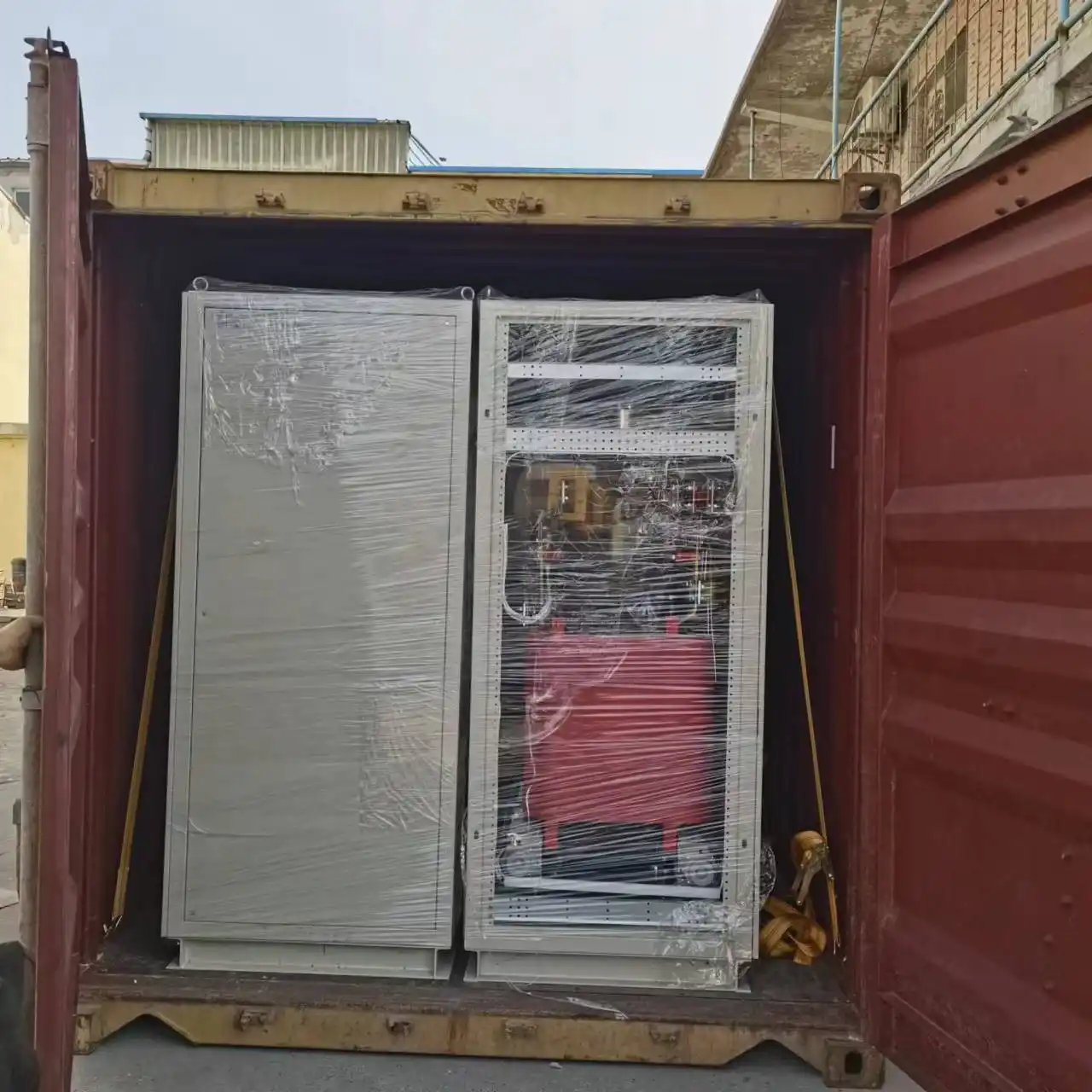
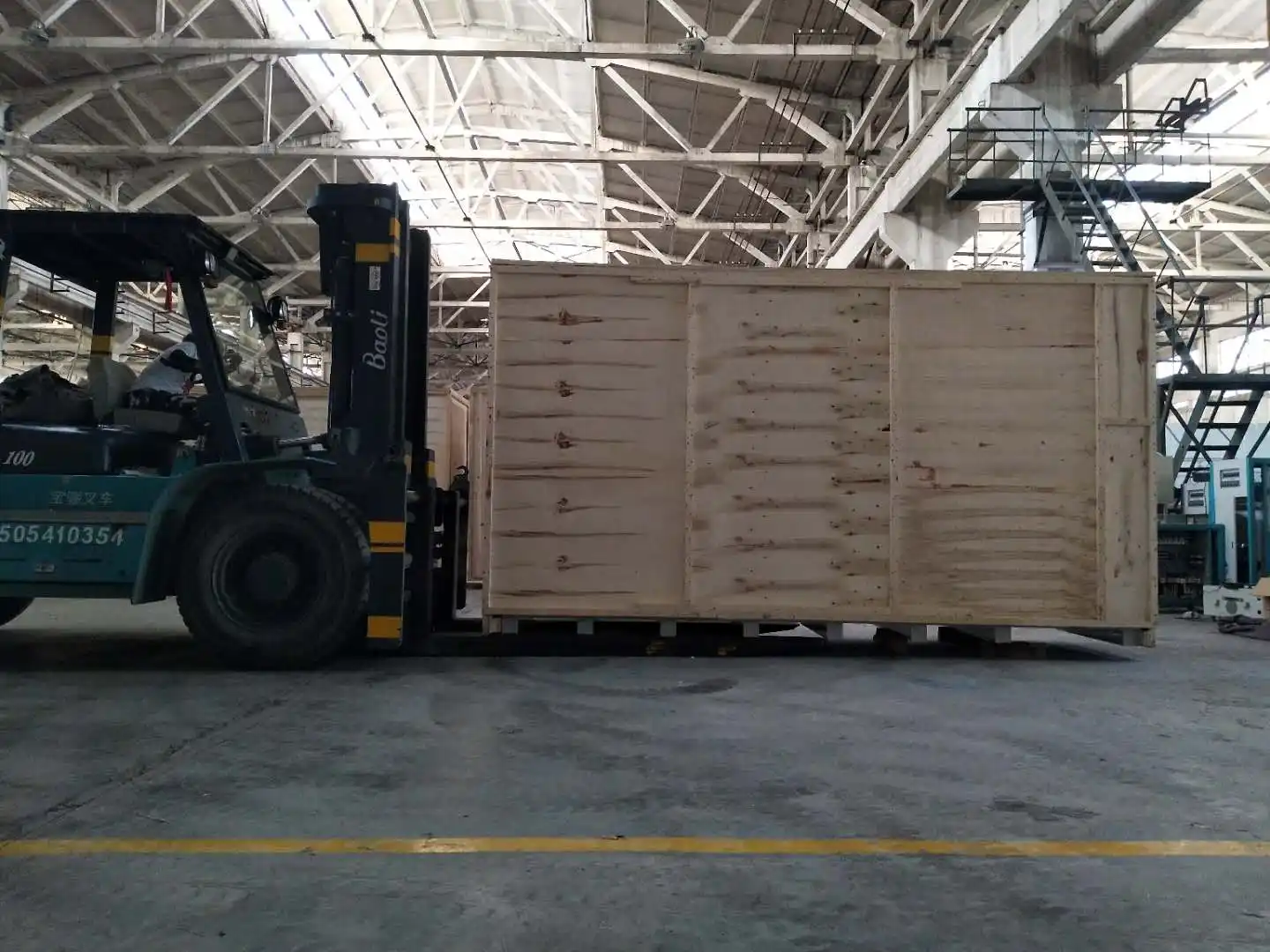
01FAT Completion
02Final Inspection
03Documentation
04Packing
05Shipment Release
Equipment protection and packing arrangements are selected according to the supplied configuration, dimensions and transportation requirements rather than using one identical packing method for every shore power system.

07 · Site Support

Shore Power System Installation, SAT & Commissioning Support

Factory acceptance verifies the supplied equipment before shipment. After delivery, site execution must connect the equipment with the real berth, electrical interfaces and vessel operating requirements. SDACME can provide site support according to the supplied equipment, local installation arrangement and agreed project scope.

Factory Scope

Manufacturing & Delivery

  • Equipment manufacturing
  • Electrical integration
  • Factory acceptance testing
  • FAT records
  • Technical documentation
  • Packing and shipment preparation
SDACME Site Support

Installation to Commissioning

  • Installation guidance
  • Shore power installation supervision
  • Site acceptance support
  • Startup and commissioning support
  • Interface coordination
  • Operator training
  • Remote technical support
Project Execution Plan

Locally Defined Activities

  • Civil works
  • Equipment lifting
  • Site cable installation
  • Local electrical construction
  • Other local contractor activities
Direct Answer

What Does a Turnkey Shore Power Project Include?

The term turnkey shore power project can describe different supply and execution boundaries. A turnkey shore power solution may include project engineering, equipment manufacturing, FAT, documentation, installation support, SAT and commissioning activities. Local civil works, lifting, cable installation and electrical construction are defined according to the specific project execution plan. For this reason, the exact responsibility boundary of a turnkey shore power system should be confirmed before quotation and project execution.

Training & Remote Support

Shore power operator training requirements depend on the supplied equipment, control functions and customer organization. Training can cover system principles, normal operation, routine inspection, HMI/protection understanding and basic maintenance considerations. Shore power remote technical support can also be arranged according to the agreed service scope.

Spare-Parts Planning

A project-specific shore power spare parts list can be prepared according to the actual supplied configuration. Recommended shore power critical spare parts should be selected from the converter, control, cooling, switchgear and other maintainable equipment used in the project rather than from one universal list.

08 · First Connection

From Factory Acceptance to the First Ship-to-Shore Connection

Factory acceptance verifies the supplied equipment before shipment. The first actual ship connection brings together the installed shore system, vessel electrical system, connection interface, protection functions and approved operating procedures. The shore power vessel commissioning process therefore requires additional site and vessel-side verification.

Shore Power Pre-Connection Checklist

Shore and vessel electrical compatibility reviewed
Correct cable and connection interface available
Installation and cable arrangement ready
Protection and interlock conditions confirmed
Communication functions ready where applicable
Approved operating procedures available
Responsible authorized personnel identified
Project-specific readiness review completed
01 Compatibility Confirmation
02 Cable Connection
03 Communication & Interlocks
04 Electrical Checks
05 Approved Transfer / Synchronization
06 Load Transfer
07 Operating Confirmation
Direct Answer

How Do You Connect a Ship to Shore Power?

At a high level, a shore power first call connection includes compatibility confirmation, the approved shore power cable connection procedure, communication and interlock verification, electrical checks, approved transfer or synchronization, load transfer and operating confirmation. The detailed shore power connection sequence is vessel- and project-specific.

Synchronization

How Is a Ship Generator Synchronized With Shore Power?

Synchronization is only used where the vessel and shore-power architecture permits an approved parallel or transfer arrangement. Voltage, frequency, phase relationship, protection, interlocks and transfer permissions must satisfy the vessel and project operating conditions before the approved transfer takes place.

Energization

Shore Power Energization Procedure

The detailed shore power energization procedure depends on the system architecture, vessel interface and approved operating philosophy. At a high level, energization should only proceed after compatibility, connection, communication, interlock, protection and authorization conditions have been confirmed.

Generator Transfer

When Should the Auxiliary Generator Be Stopped?

There is no universal fixed time. When considering when to stop the auxiliary generator after shore connection, it should only be unloaded or stopped after the required connection, electrical compatibility, interlock and load-transfer conditions have been satisfied according to the vessel's approved operating procedure.

Disconnection & Emergency Conditions

Connection Safety Continues Through Disconnection

The shore power disconnection sequence follows the approved reverse-transfer, isolation and disconnection procedure for the vessel and shore installation. Emergency conditions should be handled according to the project-specific shore power emergency shutdown procedure, system protection logic and authorized safety documentation.

Operating boundary: exact energization, synchronization, transfer and disconnection sequences must follow the approved vessel-specific and shore-side operating procedures and be carried out by authorized personnel.

FAQ

Shore Power Manufacturing & FAT — Frequently Asked Questions

Key questions about shore power factory acceptance testing, FAT witnessing, documentation, site acceptance and commissioning support.

What is a shore power factory acceptance test?

A shore power factory acceptance test is a pre-shipment verification of the supplied shore power equipment against the agreed technical requirements and FAT procedure. It confirms applicable manufacturing, wiring, electrical, control, protection and operating functions before shipment.

What tests are normally included in shore power FAT?

Depending on the supplied configuration, FAT may include visual inspection, internal wiring checks, insulation tests, power-on checks, voltage and frequency verification, protection and interlock tests, HMI checks, communication verification and agreed load or performance testing.

The exact test scope and acceptance criteria should be defined by the approved technical agreement and FAT procedure.

Is every shore power system tested under full rated load?

Not necessarily. Load-test scope depends on the equipment rating, available factory test facilities and the FAT procedure agreed for the project. Where rated-load or other specific performance testing is required, the test method and acceptance conditions should be confirmed before FAT.

Can our engineers witness the FAT?

Yes. Customer or authorized third-party witnessing can be arranged according to the agreed FAT schedule and inspection plan. Remote or video witnessing can also be arranged where appropriate.

What is the difference between FAT and SAT?

FAT is performed before shipment during the manufacturing stage and verifies the supplied equipment against the agreed factory test requirements.

SAT is performed after installation at site and focuses on the installed equipment and applicable site interfaces.

What documents are provided after FAT?

Depending on the supplied equipment and project requirements, the documentation package may include:

  • FAT report
  • Equipment datasheets
  • Single-line diagrams
  • System or equipment layout information
  • Operation documentation
  • Communication information where applicable
  • Inspection records
  • Packing documents

The final document package is confirmed according to the agreed project scope.

Does SDACME provide shore power installation and commissioning support?

Yes. Installation guidance, installation supervision, SAT, commissioning support, operator training and remote technical support can be provided according to the agreed project scope and site execution arrangement.

Does a turnkey shore power system always include complete local construction?

No. Turnkey scope varies by project. Local civil works, equipment lifting, cable installation, electrical construction and other local activities should be clearly allocated in the project execution plan before quotation and implementation.

How is a ship connected to shore power after commissioning?

At a high level, the process includes electrical compatibility confirmation, physical connection, communication and interlock checks, electrical verification, approved transfer or synchronization, load transfer and operating confirmation.

The exact vessel and shore-side procedure must follow the approved operating documentation and be performed by authorized personnel.

When can the ship's auxiliary generator be stopped?

There is no universal fixed time. The auxiliary generator should only be unloaded or stopped after the required shore connection, electrical compatibility, interlock and load-transfer conditions have been confirmed according to the vessel's approved operating procedure.

Project Request

Plan Your Shore Power System, FAT and Delivery Scope

A reliable shore power proposal starts with clear electrical, vessel and project information. Send SDACME your available project parameters so our team can review the required system configuration, manufacturing scope, FAT requirements and applicable site-support needs.

Initial Review Information Helpful for a Shore Power Proposal
Power Rating Input Voltage Input Frequency Vessel Voltage Vessel Frequency LV / HV Transformer Vessel / Berth FAT Witnessing Communication Site Support Delivery Location

You do not need to have every parameter finalized before contacting us. Available vessel data, berth information, grid parameters or an existing single-line diagram can be used as the starting point for technical review.

Project Information for Initial Technical Review

The more project information available at the beginning, the easier it is to define system architecture, manufacturing scope, FAT requirements and site-support boundaries.

01 Application / Project Location
02 Required System Power Rating
03 Shore-Side Input Voltage
04 Shore-Side Input Frequency
05 Vessel-Side Voltage & Frequency
06 Low-Voltage / High-Voltage Connection
07 Transformer Requirement
08 Vessel / Berth Interface
09 Frequency Conversion Requirement
10 FAT Witnessing Requirement
11 Communication / Control Requirement
12 Installation / Commissioning Support
Existing single-line diagrams or vessel electrical data are welcome.

SDACME can use the available technical information as the starting point for configuration review and FAT planning.

Send Project Requirements →