Custom Shore Power Systems & Marine Frequency Converters
Low- and high-voltage power conversion for ports, shipyards, dry docks, offshore facilities and vessel maintenance—sized from actual load, starting current and connection requirements.
The system is built around the real operating condition
Capacity, voltage, connection and control are reviewed together so the supplied equipment fits the vessel load and shore-side infrastructure.
Load-based system sizing
Running load, largest motor, starting method, simultaneous loads and reserve margin are included in the capacity review.
Flexible supply boundary
Choose a converter-only package or an integrated system with transformers, switchgear, connection and control equipment.
Coordinated interfaces
Voltage, frequency, phase arrangement, cable route, vessel inlet, PLC, HMI and SCADA requirements are coordinated as one system.
Factory testing support
FAT planning can cover operating displays, output values, alarms, protection, interlocks and agreed inspection points.
A shore power system must match the load, the vessel and the berth
A request may begin with “convert 400 V / 50 Hz to 60 Hz,” but reliable system selection also depends on motor starting, phase current, power factor, operating sequence, cable distance, environmental conditions and the equipment scope.
- Running and starting load: total kW, largest motor, starting method and simultaneous operation.
- Electrical interface: input/output voltage, frequency, phase, grounding and vessel connection.
- Installation condition: indoor, outdoor, containerized, salt mist, cooling and cable route.
- System scope: converter only or a package with transformer, switchgear, cable and controls.
Four checks before selecting a shore power system
These checks reduce undersizing, interface conflicts and missing equipment in the supply scope.
Capacity beyond total kW
Starting current, power factor, load sequence and reserve margin can increase the required converter kVA.
Complete system boundary
Transformers, switchgear, grounding, filtering, connectors, cable management and controls may be part of the required package.
Matched electrical interfaces
Voltage, frequency, phase, vessel inlet, cable connection and communications should be coordinated before equipment selection.
Marine installation conditions
Temperature, humidity, salt mist, cooling, cable distance, transport and layout affect enclosure and system design.
Choose the shore power configuration that fits the site
ACME supports low-voltage, high-voltage and containerized systems for permanent or temporary marine power applications.
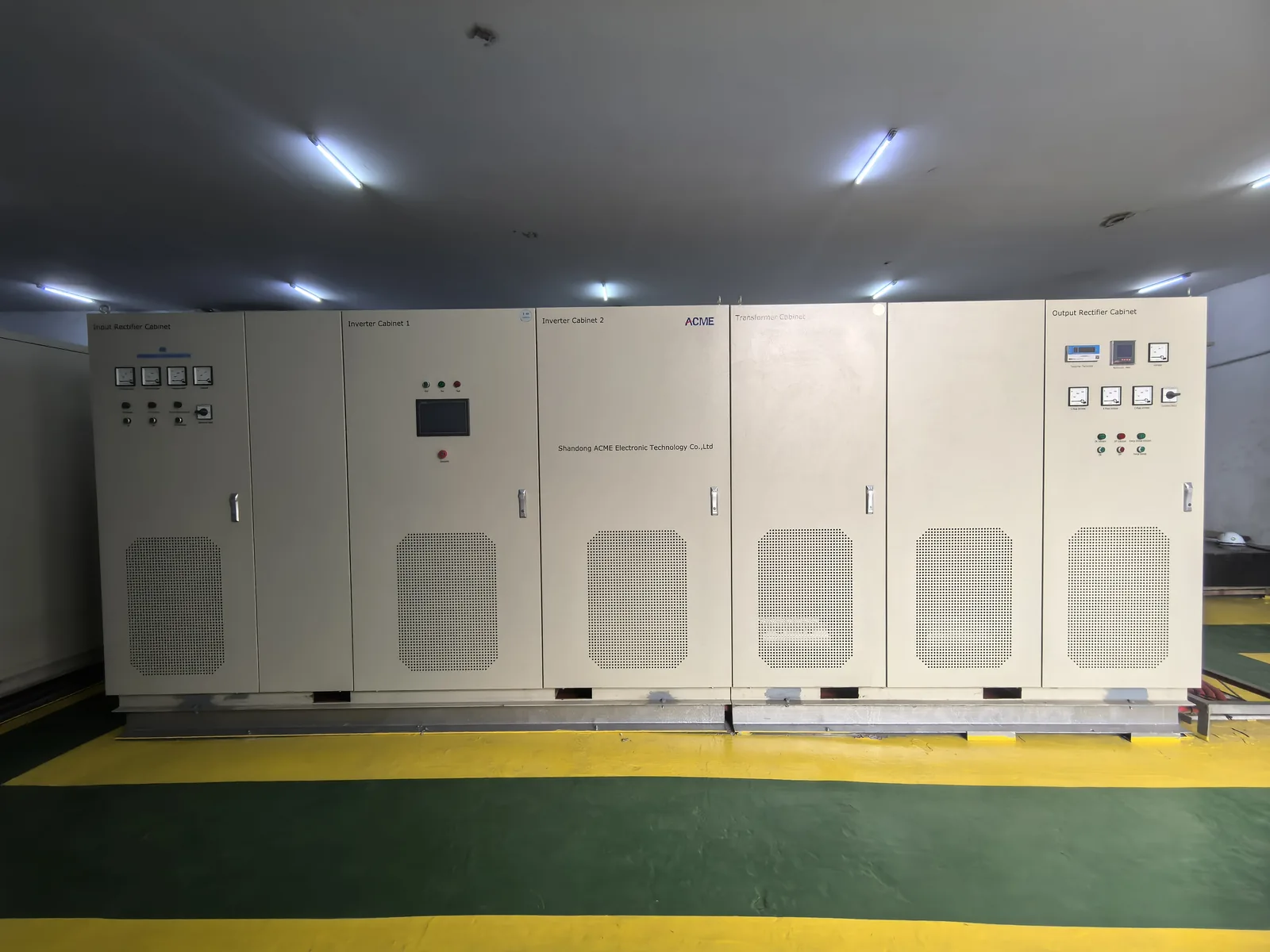
Low-Voltage Shore Power Converter
For shipyards, dry docks, vessel commissioning, maintenance and port applications requiring stable voltage and frequency conversion.
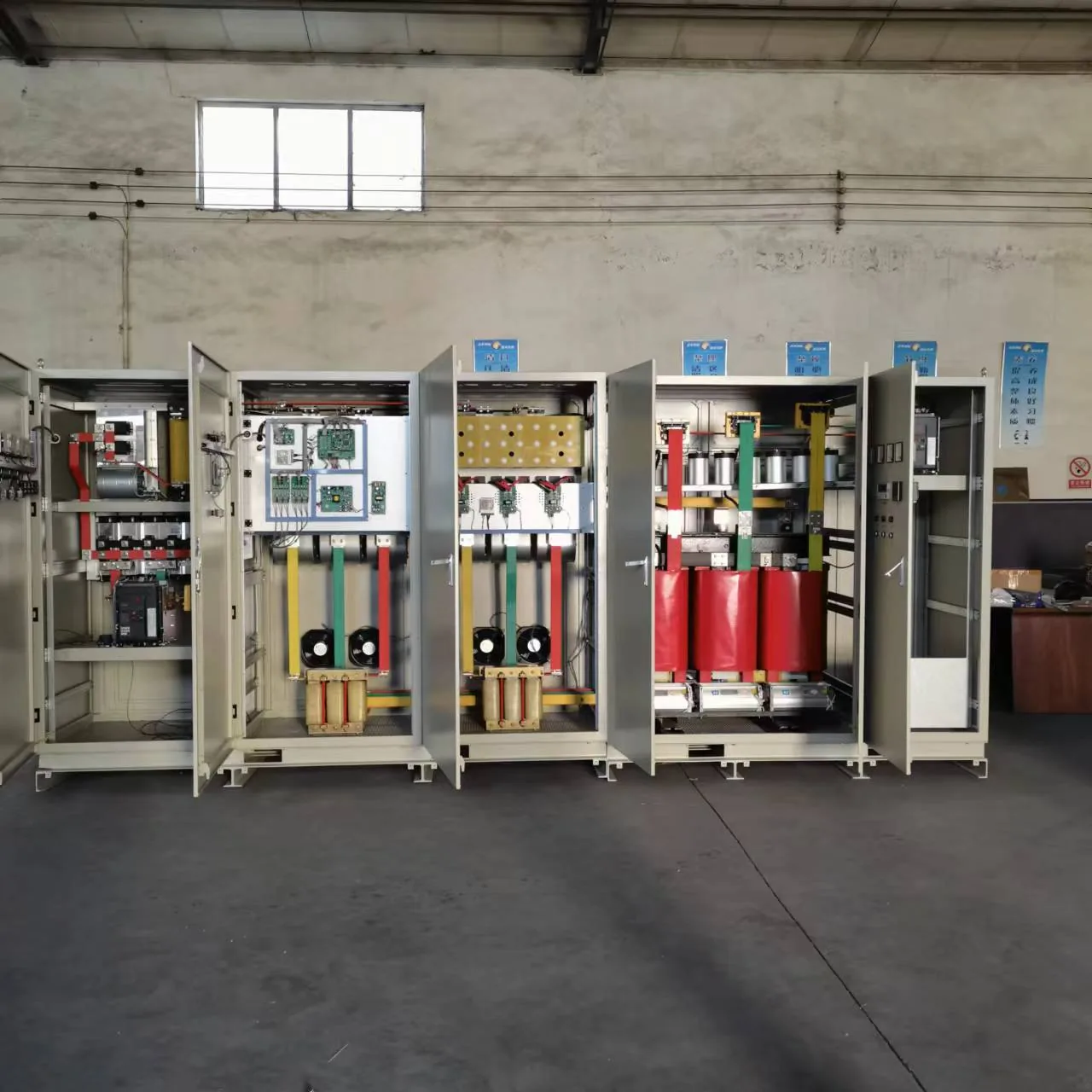
High-Voltage Shore Power System
Medium- and high-voltage conversion with transformer, switchgear, grounding, protection and control options.
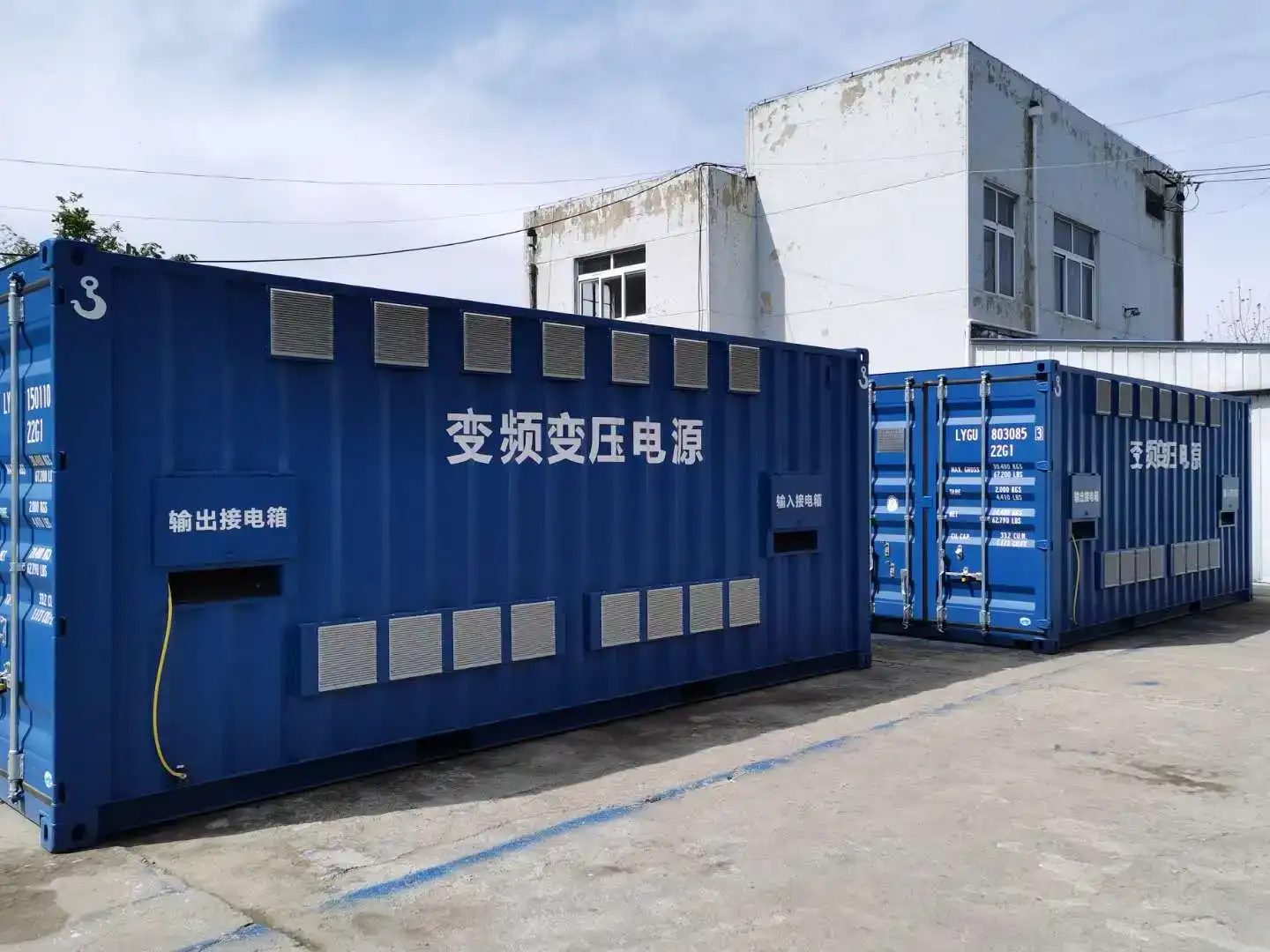
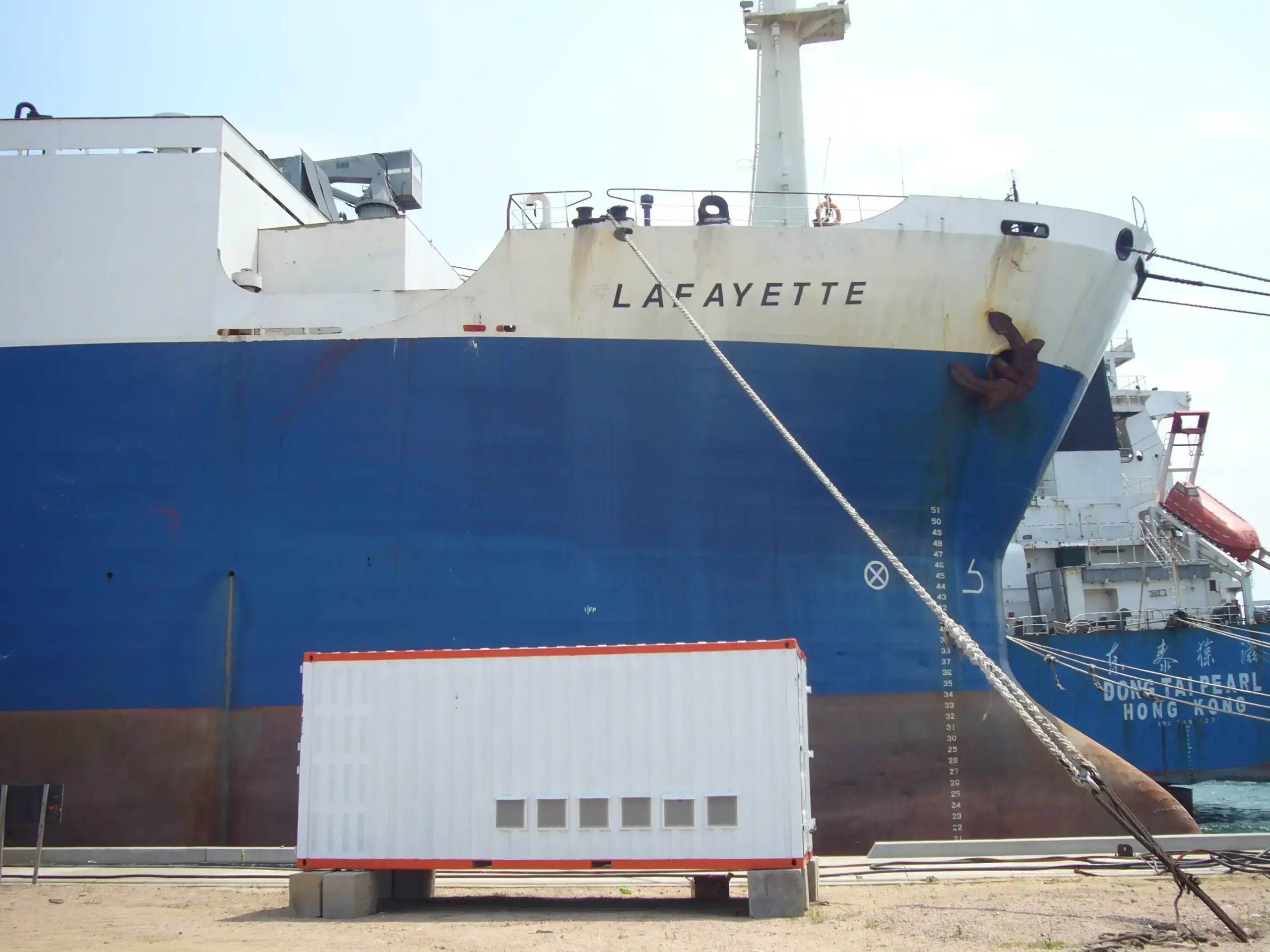
Containerized Marine Frequency Converter
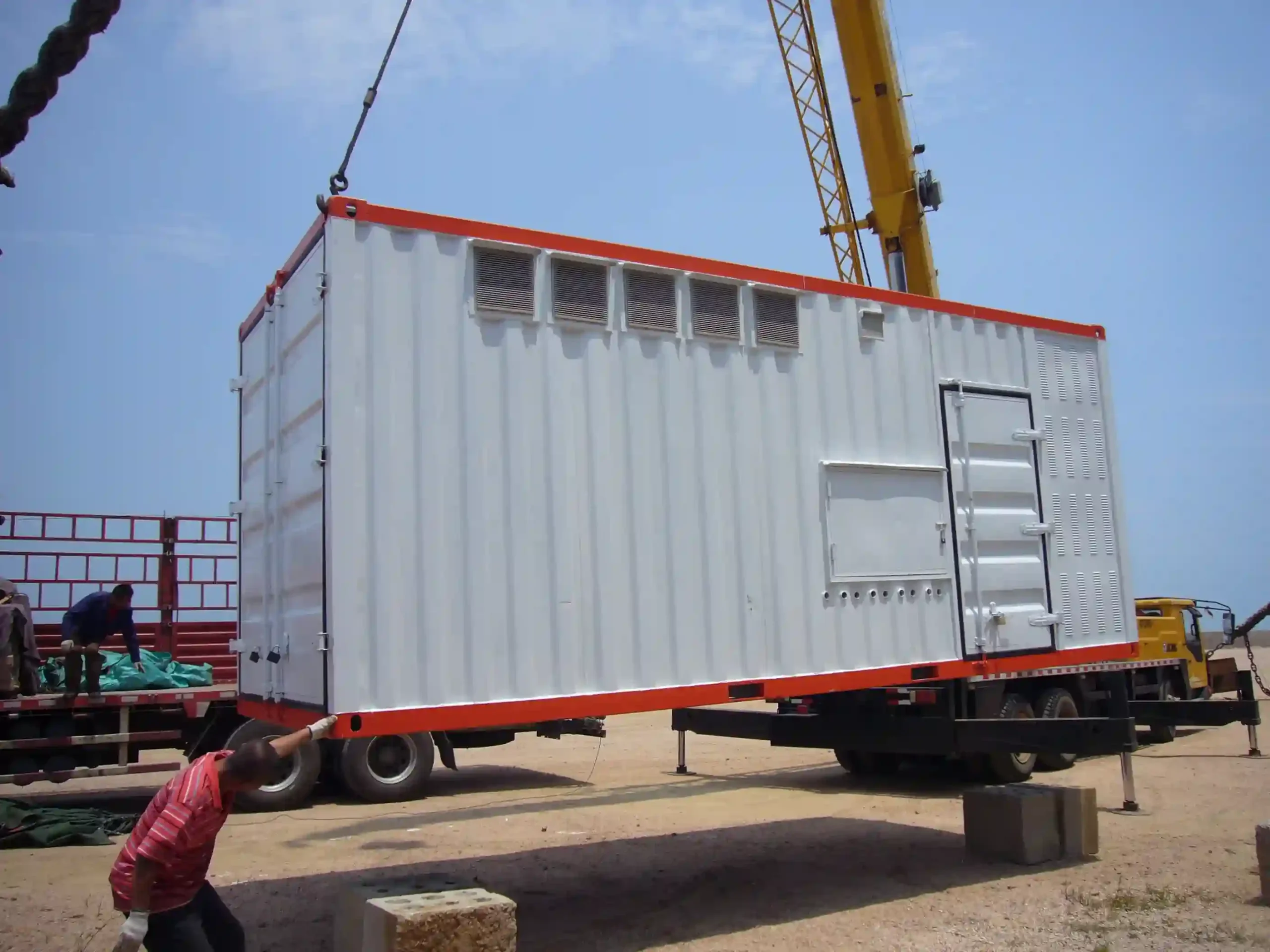
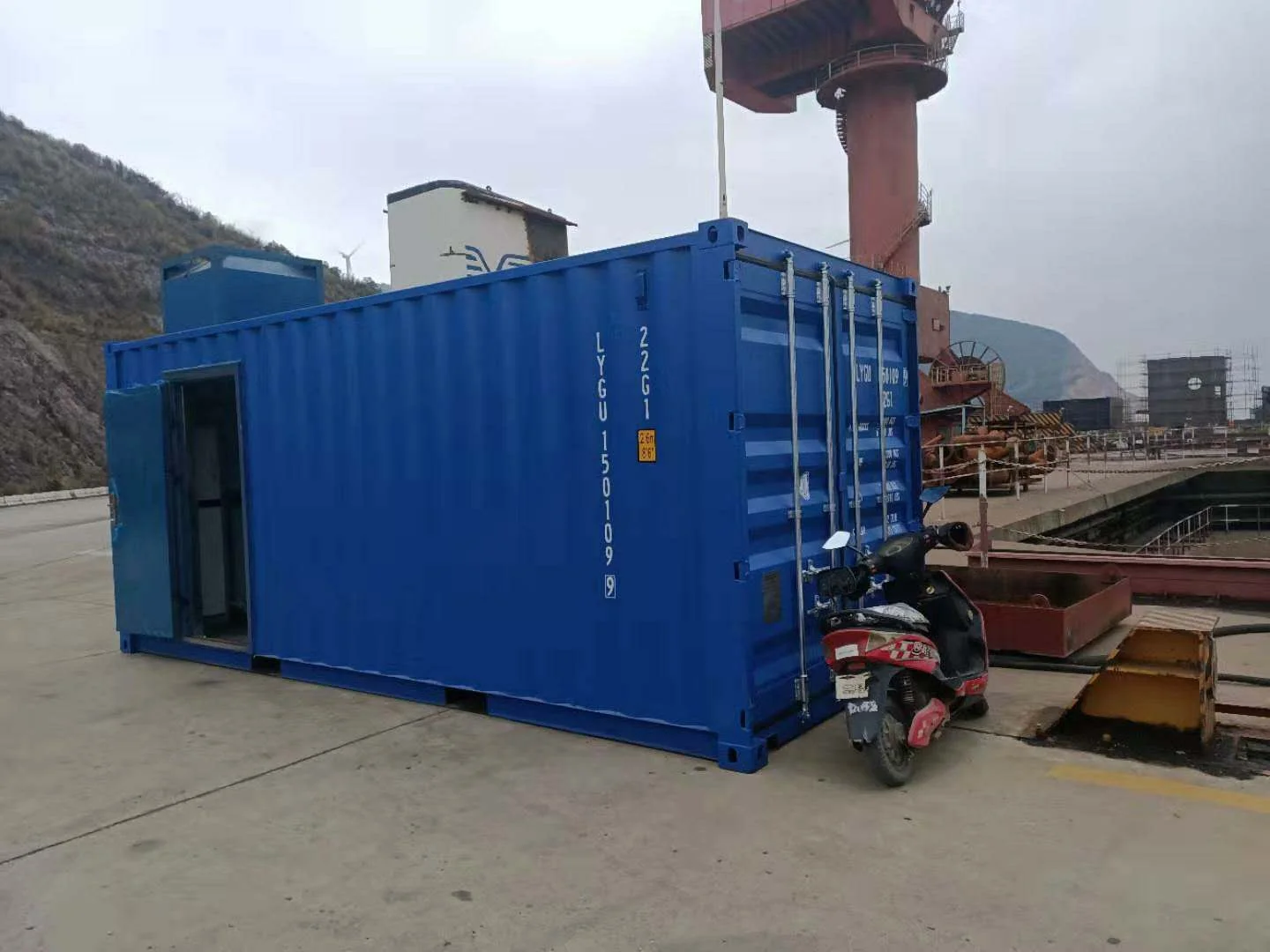
A protected, transportable package for outdoor shipyard and dry-dock sites where a dedicated electrical room is unavailable.
How ACME reviews a shore power requirement
Six inputs are used to convert a general inquiry into a workable electrical configuration.
Application
Port, shipyard, dry dock, offshore facility or vessel test application.
Load profile
Total running load, largest motor, load type, power factor and operating sequence.
Starting current
Motor starting method and the highest starting demand expected during operation.
Simultaneous use
Number of vessels, berths, motors or loads that may operate at the same time.
Electrical interface
Input/output voltage, frequency, phase, grounding and connection arrangement.
Site and supply scope
Environment, enclosure, cable route, controls, standards and required equipment boundary.
Common shore power configurations
Use these ranges to identify the appropriate system family before submitting detailed load and site data.
Low-Voltage Shore Power Converter
| Item | Common configuration | Selection value |
|---|---|---|
| Technology | IGBT inverter with SPWM control | Pure sine-wave output for marine electrical loads |
| Capacity | 300–3000 kVA | Common promoted ratings include 800, 1000, 1200, 2000 and 3000 kVA |
| Input | 380 / 400 / 440 V, 50 / 60 Hz | Matched to the available shore-side grid |
| Output | 400 / 440 / 480 V, 50 / 60 Hz | Matched to the vessel and connected load |
| Phase arrangement | Three-phase, 3-wire or 4-wire | Selected with grounding and connection requirements |
| Typical performance | THD ≤3%; voltage regulation ≤1%; efficiency ≥94% | Guaranteed values are stated in the selected proposal |
| Protection | Overvoltage, overcurrent, overload, overtemperature and short circuit | Alarm and interlock logic coordinated with the system |
High-Voltage Shore Power System
| Item | Common configuration | Selection value |
|---|---|---|
| Input / output | 6.6 / 10 kV input; 6.6 / 11 kV output | Transformer and switching arrangement selected for the shore grid and vessel voltage |
| Frequency | 50 / 60 Hz conversion | Output frequency accuracy can reach 0.01 Hz in applicable configurations |
| System topology | Power-cell series converter with IGBT inverter | Suitable for high-voltage conversion and multi-level output |
| Power quality | Harmonic target ≤3%; load regulation ±1% | Performance points are matched to the selected system rating |
| Control | Digital/analog I/O, PLC/HMI and optional SCADA | Communication and operating logic coordinated with shore and vessel systems |
| Protection | Overload, short circuit, grounding, reverse power and system interlocks | Protection coordination follows the single-line architecture |
Choose the equipment boundary that matches the project
ACME manufactures the core conversion equipment and can coordinate the associated electrical, connection and control package.
Core Conversion Package
Shore power frequency converter cabinet with required internal control, protection and operating interface.
Integrated Electrical Package
Converter with transformer, switchgear, grounding, filtering and coordinated protection equipment.
Connection & Control Package
Electrical package extended with socket boxes, cables, cable management, PLC/HMI, interlocks and SCADA interface.
A coordinated path from the shore grid to the vessel load
The architecture can be configured as a compact converter package or an integrated shore connection system.
Incoming Grid
Voltage, frequency, available capacity and upstream protection.
Input Transformer & Switchgear
Voltage adaptation, isolation, switching and coordinated protection.
Frequency Converter
Voltage/frequency conversion, output control and operating interface.
Output Equipment
Transformer, filtering, grounding, metering and switchgear.
Cable & Shore Connection
Socket box, plugs, cables, reel, interlocks and cable route.
Vessel Load
Verified against load type, starting current and operating sequence.
Marine power solutions for different operating environments
The same conversion platform can be adapted to permanent port infrastructure, temporary maintenance power or high-load projects.
Selected shore power project references
Two delivered configurations showing low-voltage and containerized shore power applications.
2 × 1200 kVA Low-Voltage Shore Power Converters
Supplied for dry-dock maintenance and vessel commissioning. Both 1200 kVA units were delivered, tested and accepted, with stable operation reported after commissioning.
400 kVA Containerized Shore Power Converter
The converter and outdoor container were supplied for shipyard maintenance use, then tested, delivered and accepted for operation.
See the equipment and test process
Factory testing helps verify operating values, protection, alarms, controls and the agreed system functions before delivery.
1200 kVA Low-Voltage Control Test
HMI operation, output voltage, phase current, frequency display, alarms and operating status during factory testing.
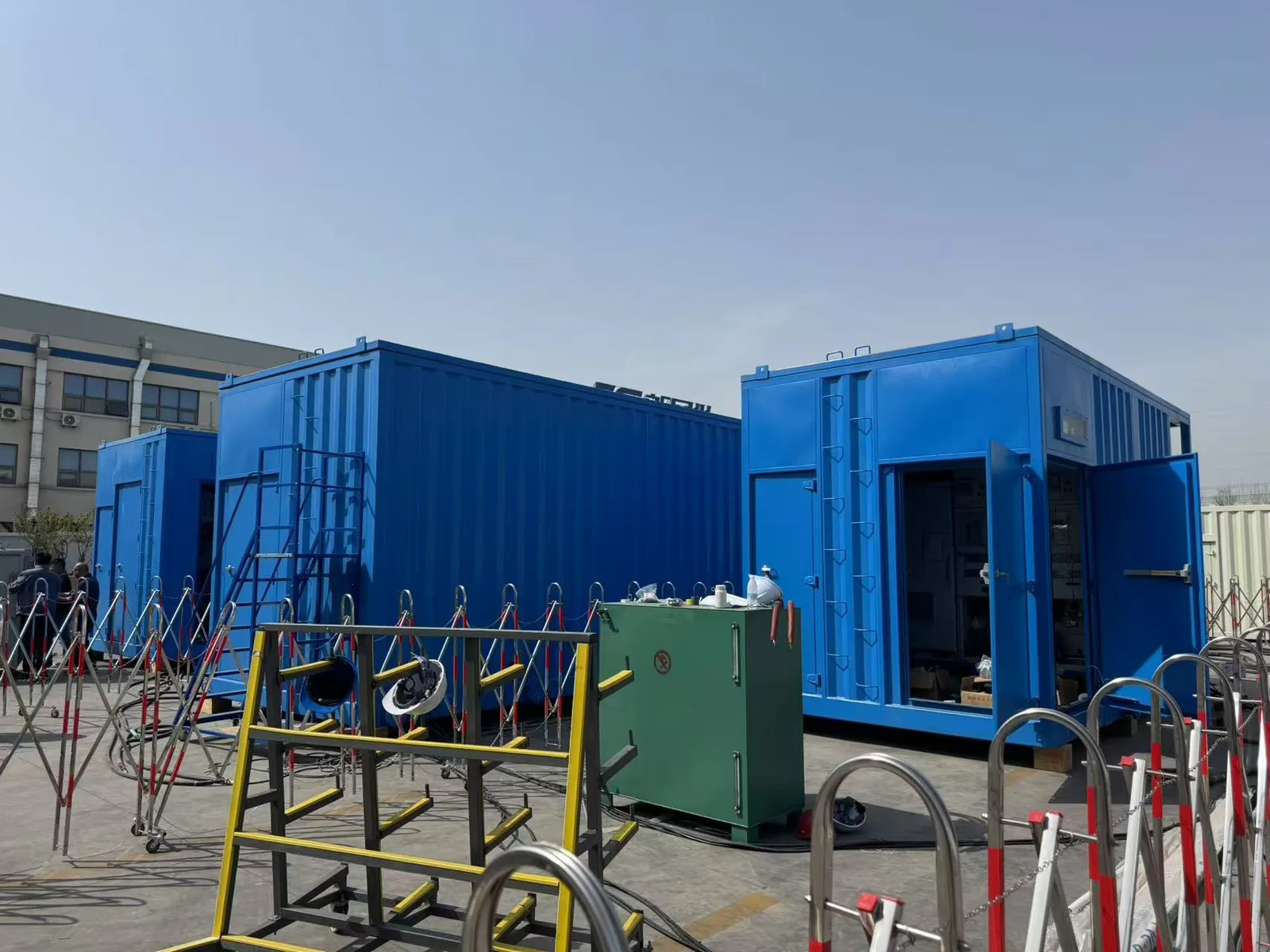
High-Voltage Shore Power Test Setup
Outdoor equipment arrangement and test preparation for high-voltage conversion, switching, protection and control functions.
Engineering decisions that reduce project risk
The value is not only the converter cabinet, but the coordination between capacity, interface, protection, testing and supply scope.
Core Conversion Equipment Manufacturing
ACME designs and manufactures the power conversion equipment at the center of the shore power system.
Sizing from Real Load Data
Capacity is reviewed from load type, motor starting, operating sequence, simultaneous use and reserve.
Flexible System Scope
Supply can range from converter-only equipment to an integrated electrical, connection and control package.
Testing & Commissioning Coordination
FAT, inspection, documentation and commissioning support can be aligned with the required equipment functions.
Questions engineers and buyers ask before ordering
How is the required kVA calculated?
ACME reviews the running load, largest motor, starting method, simultaneous loads or vessels, power factor and reserve margin. Motor-driven systems often require more capacity than a simple sum of rated kilowatts.
Can you convert 400 V / 50 Hz to a different voltage at 60 Hz?
Yes. Common systems use 380/400/440 V at 50 Hz and supply 400/440/480 V at 60 Hz. The output is selected with the phase, current and vessel connection requirements.
Why can a 40–45 kW motor load require a 60 kVA converter?
Starting current, power factor, starting method and simultaneous motor operation can increase the short-term and continuous demand. Capacity should follow the actual operating sequence.
Can the equipment be installed onboard or in a marine environment?
Yes. Enclosure, cooling, grounding, anti-corrosion treatment and service access can be configured for the installation location, temperature, humidity and salt-mist conditions.
Can you supply an outdoor containerized system?
Yes. Outdoor cabinet and containerized packages are available with coordinated ventilation or cooling, access, transport arrangement and cable routing.
Do you supply only the converter or the complete system?
The package can include the converter, transformers, switchgear, neutral grounding, filtering, socket boxes, connectors, cables, cable management, PLC/HMI, interlocks, SCADA interface and outdoor housing.
What information is needed for a technical proposal?
Provide the application, country, input and output voltage/frequency/phase, expected load, largest motor, starting method, simultaneous vessels, installation environment, cable distance, connection interface, controls, standards and schedule.
Can the system support IEC/IEEE 80005 project requirements?
The system interface, interlocks, protection and connection architecture can be developed around the applicable IEC/IEEE 80005 requirements specified for the project. Include the required standard and vessel interface data in the inquiry.
How do voltage, current and efficiency affect shore-side power demand?
For the same power, lower voltage generally means higher current. The shore grid and upstream equipment should also allow for power factor, converter efficiency, motor starting and reserve.