Singapore 400 kVA Containerized Shore Power Project
A 400 kVA outdoor containerized shore power system was supplied for a shipyard project in Singapore. The system was configured for a 415 V / 50 Hz shore-side input and a 415 V / 60 Hz output, providing the required frequency conversion while maintaining the same nominal voltage level. The system was subsequently delivered, commissioned, accepted and placed into operation.
Confirmed Project Evidence
- 400 kVA
- Singapore Shipyard
- Outdoor Containerized
- 415 V / 50 Hz Input
- 415 V / 60 Hz Output
- Operating Reference
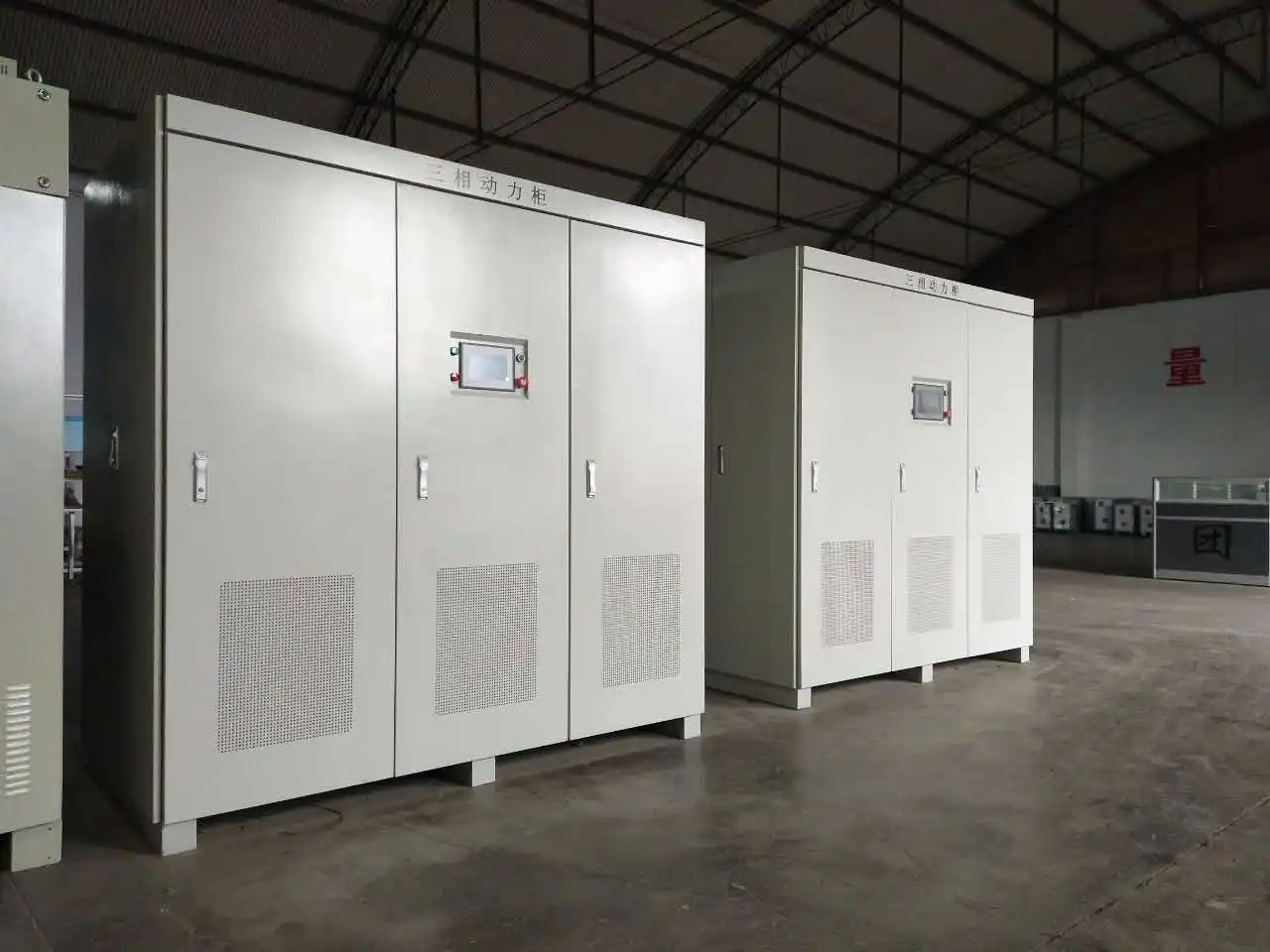
Key Facts from the Singapore Shore Power Reference
This project provides a direct operating reference for a 400 kVA outdoor containerized shore power system supplied for a shipyard application in Singapore, with confirmed 415 V / 50 Hz input and 415 V / 60 Hz output.
SDACME supplied a 400 kVA outdoor containerized shore power system for a shipyard project in Singapore , configured for 415 V / 50 Hz input and 415 V / 60 Hz output. The system was delivered, commissioned, accepted and placed into operation.
A Clear 50 Hz to 60 Hz Shore Power Reference
The electrical requirement of the Singapore project centered on frequency conversion. The nominal voltage remained at 415 V while the required frequency changed from 50 Hz to 60 Hz.
The electrical equipment was arranged in an outdoor containerized configuration, allowing major assembly and internal wiring work to be completed before shipment.
Together with the confirmed delivery and operating status, these project facts provide a practical reference for customers evaluating similar shipyard shore power requirements.
Singapore 400 kVA Reference
| Project Location | Singapore |
|---|---|
| Application | Shipyard |
| Rated Capacity | 400 kVA |
| Installation | Outdoor containerized configuration |
| Input | 415 V / 50 Hz |
| Output | 415 V / 60 Hz |
| Frequency Conversion | 50 Hz → 60 Hz |
| Factory Work | Assembly, internal wiring and pre-shipment testing |
| Project Status | Delivered, commissioned, accepted and operating |
This case provides a real operating reference combining a confirmed 400 kVA rating, 415 V / 50 Hz to 415 V / 60 Hz frequency conversion, outdoor containerized integration and a completed project lifecycle through delivery, commissioning, acceptance and operation.
Converting a 415 V / 50 Hz Shore Supply to 415 V / 60 Hz
A central technical requirement of the Singapore project was frequency compatibility. The nominal voltage remained at 415 V, while the required operating frequency changed from 50 Hz to 60 Hz.
415 V
50 HzThe confirmed shore-side electrical condition for the project was 415 V at 50 Hz.
415 V
60 HzThe required system output was confirmed as 415 V at 60 Hz.
Why Frequency Compatibility Was the Core Requirement
Shore power compatibility is determined by more than voltage alone. Frequency is also a fundamental electrical parameter when the available shore-side supply and the required shore power output operate at different frequencies.
In this Singapore project, the available supply and required output shared the same nominal voltage level of 415 V. The system therefore had to provide controlled 50 Hz to 60 Hz frequency conversion at a confirmed rated capacity of 400 kVA.
The project also required an outdoor containerized equipment arrangement, allowing the electrical conversion equipment to be integrated as a defined package before shipment to the project.
This makes the Singapore reference particularly relevant to shore power applications where the available supply voltage already matches the required nominal output voltage, but frequency conversion is still necessary.
The Singapore project demonstrates a confirmed functional requirement of 415 V / 50 Hz input to 415 V / 60 Hz output. Detailed internal electrical architecture is defined according to the individual project design and technical requirements.
400 kVA Functional Electrical Configuration
The confirmed project configuration shows a 415 V / 50 Hz shore-side supply converted to a 415 V / 60 Hz output at a rated system capacity of 400 kVA. The nominal voltage remained unchanged; the required electrical conversion was centered on frequency.
Shore-Side Supply
Required Output
Electrical Compatibility Is More Than Voltage
In shore power applications, matching nominal voltage alone does not establish electrical compatibility. The operating frequency must also match the required output condition.
For this Singapore shipyard project, the available shore-side supply was confirmed as 415 V / 50 Hz, while the required system output was 415 V / 60 Hz. The shore power system therefore provided frequency conversion at a confirmed rated capacity of 400 kVA.
This functional relationship is one of the clearest technical characteristics of the project: the nominal voltage remained at the same level while the system provided the required change in frequency.
The conversion equipment was also arranged within the project's outdoor containerized configuration, linking the electrical requirement with the physical integration approach used for the Singapore reference.
The diagram above represents the confirmed functional power relationship of the Singapore project. Detailed internal electrical architecture is defined according to the individual project design and technical requirements.
Factory-Integrated Outdoor Containerized Configuration
One of the defining characteristics of the Singapore reference was its outdoor containerized shore power configuration. The electrical equipment was integrated as a defined package before shipment to the shipyard project.
Integrating the Shore Power Equipment Before Site Delivery
The Singapore project demonstrates an equipment arrangement in which the shore power electrical equipment was integrated into an outdoor containerized configuration rather than leaving the main integration work to be completed only after the equipment reached the project site.
Major project work was completed at the factory before shipment. The confirmed scope included factory assembly, internal electrical wiring and pre-shipment testing of the integrated equipment.
Carrying out these activities before delivery allows the equipment arrangement and internal connections to be established in the factory environment. For an industrial shore power project, this provides a practical way to organize a defined electrical package before the equipment is deployed to site.
In this reference, the containerized integration approach was combined with a confirmed system capacity of 400 kVA and a functional electrical conversion from 415 V / 50 Hz to 415 V / 60 Hz.
The project therefore provides evidence not only of frequency conversion capability, but also of how the required shore power equipment can be prepared as an outdoor factory-integrated package for a shipyard application.
Outdoor Containerized Installation
The Singapore reference confirms an outdoor containerized equipment arrangement for the 400 kVA shore power system.
Factory Pre-Integration
Equipment assembly and internal electrical wiring were completed before shipment as part of the integrated package.
Pre-Shipment Testing
The integrated equipment was tested before shipment as part of project preparation prior to delivery to Singapore.
Combined with the confirmed 415 V / 50 Hz → 415 V / 60 Hz electrical configuration and the project's delivered, commissioned, accepted and operating status, the containerized integration provides an important evidence layer within the Singapore project reference.
Factory Assembly, Internal Wiring & Pre-Shipment Testing
The containerized configuration allowed key integration work to be completed before the system was shipped to Singapore. The confirmed project scope included factory assembly, internal electrical wiring and pre-shipment testing.
Factory Assembly
The shore power equipment was assembled as part of the outdoor containerized project configuration before shipment. This established the integrated equipment arrangement during the factory preparation stage.
Internal Wiring
Internal electrical wiring was completed during factory integration. This formed part of the confirmed preparation of the containerized shore power package before it was shipped to the Singapore project.
Pre-Shipment Testing
The integrated equipment was tested before shipment as part of project preparation. This provided a factory-stage check of the equipment package before subsequent delivery and project implementation.
Completing Major Integration Work Before Site Deployment
A containerized shore power arrangement allows important parts of equipment preparation to be carried out before the package reaches the project site.
In the Singapore project, the confirmed factory work included the physical assembly of the equipment arrangement and completion of internal electrical wiring. The integrated equipment was then tested before shipment.
This sequence supports a more clearly defined delivery package: major internal assembly and connections are prepared during the factory stage rather than leaving the complete integration process until after the equipment arrives at site.
For the 400 kVA Singapore reference, this factory-integration sequence formed part of the overall project path that later progressed through delivery, commissioning, acceptance and operation.
Test Scope and Acceptance Criteria Follow the Project Requirements
For shore power projects, detailed test procedures and acceptance criteria are normally defined according to the technical agreement and individual project requirements. For this Singapore reference, the confirmed project fact is that the integrated equipment underwent testing before shipment.
From Delivery to Commissioning, Acceptance and Operation
The Singapore 400 kVA reference progressed beyond factory integration and shipment. The confirmed project status follows a complete sequence: delivered, commissioned, accepted and operating.
Delivered
The containerized shore power system was delivered for the Singapore shipyard project following factory assembly, internal wiring and pre-shipment testing.
Commissioned
After delivery, the shore power system proceeded through project commissioning as part of the implementation process.
Accepted
The Singapore project subsequently reached project acceptance, confirming progression beyond delivery and commissioning.
Operating
The 400 kVA containerized shore power system was placed into operation, making this a real operating project reference rather than a design-only or factory-only example.
Why the Operating Status Matters as Project Evidence
Industrial project references have different levels of evidence. A system that has only been designed or assembled demonstrates a different level of project maturity from equipment that has progressed through delivery and implementation.
The Singapore reference confirms that the 400 kVA outdoor containerized shore power system was not limited to factory preparation. It was delivered to the project, commissioned, accepted and subsequently placed into operation.
This lifecycle provides stronger practical evidence for customers reviewing similar shore power requirements because the reference connects the confirmed electrical configuration and containerized integration with an actual implemented project.
Together with the confirmed 415 V / 50 Hz input and 415 V / 60 Hz output, the operating status forms one of the most important evidence layers of the Singapore case.
What the Singapore 400 kVA Project Demonstrates
The value of this case lies in a set of confirmed project facts rather than a generic description of containerized shore power. Together, these facts establish the Singapore reference as a real operating project with a defined electrical configuration, installation approach and implementation status.
A Confirmed 400 kVA Shore Power Reference
The Singapore project establishes a real shore power reference with a confirmed rated system capacity of 400 kVA. This provides a specific project reference rather than a general product-capability statement.
415 V / 50 Hz to 415 V / 60 Hz Conversion
The project confirms a functional electrical relationship in which the nominal voltage remained at 415 V, while the operating frequency was converted from 50 Hz to 60 Hz.
Outdoor Containerized Integration
The electrical equipment was integrated into an outdoor containerized configuration. Factory assembly and internal electrical wiring were completed before shipment as part of the integrated project package.
Delivered and Operating Project Evidence
The system progressed through delivery, commissioning and acceptance before being placed into operation. This establishes the case as an implemented operating project reference.
Questions About the Singapore Reference
The confirmed rated system capacity was 400 kVA.
The project was configured for 415 V / 50 Hz input and 415 V / 60 Hz output. The nominal voltage remained at 415 V while the frequency changed from 50 Hz to 60 Hz.
Yes. The electrical equipment was integrated into an outdoor containerized configuration. The confirmed project preparation included factory assembly, internal wiring and testing before shipment.
The system was delivered, commissioned, accepted and placed into operation.
Singapore 400 kVA Containerized Shore Power Project
SDACME supplied a 400 kVA outdoor containerized shore power system for a shipyard project in Singapore, configured for 415 V / 50 Hz input and 415 V / 60 Hz output. The equipment was factory assembled, internally wired and tested before shipment, and the system was subsequently delivered, commissioned, accepted and placed into operation.
Continue from Project Evidence to System Selection
The Singapore 400 kVA case represents one specific shore power project configuration. Actual system selection should still begin with the electrical conditions, required capacity, installation environment and project-specific interface requirements.
Containerized Shore Power Systems
Review the broader containerized shore power system approach, including how shore power conversion equipment can be arranged as an integrated package according to individual project conditions.
Shipyard & Dry-Dock Shore Power Systems
Explore shore power configuration considerations for shipyard and dry-dock applications, where vessel electrical requirements, available shore supply and project installation conditions must be evaluated together.
Indonesia 2 × 1200 kVA Shore Power Project
Compare the Singapore reference with a larger 2 × 1200 kVA shore power project in Indonesia. The Indonesia case provides a different project scale and electrical configuration within the same shore power evidence library.
400 kVA Containerized Project
The Singapore case emphasizes 415 V / 50 Hz to 415 V / 60 Hz frequency conversion together with outdoor containerized integration and an operating shipyard reference.
2 × 1200 kVA Project
The Indonesia case provides a larger-capacity project reference with two 1200 kVA systems and a different confirmed electrical configuration.
Planning a Similar Containerized Shore Power Project?
Every shore power system begins with the actual electrical interface, required capacity and installation conditions of the project. If you are evaluating a containerized shore power system for a shipyard, port, berth or other marine application, SDACME can review the basic technical requirements and discuss a suitable configuration.
For an initial project review, the most useful information includes the available shore-side voltage and frequency, required output voltage and frequency, required system capacity, project location, installation environment and preferred equipment arrangement.
The Singapore 400 kVA project shown on this page represents one confirmed project configuration. New shore power projects should be evaluated according to their own electrical interface, capacity, installation environment and technical requirements.